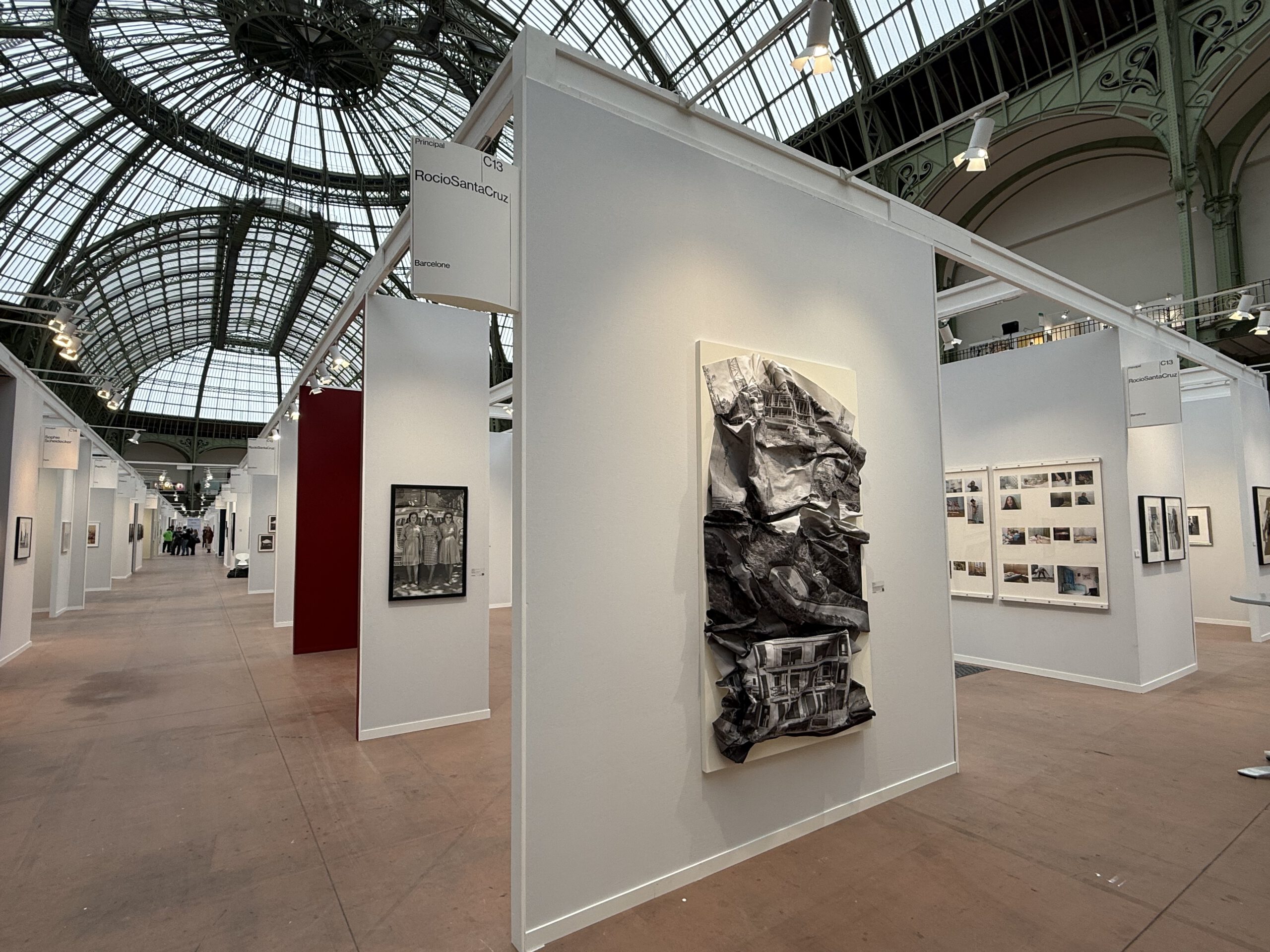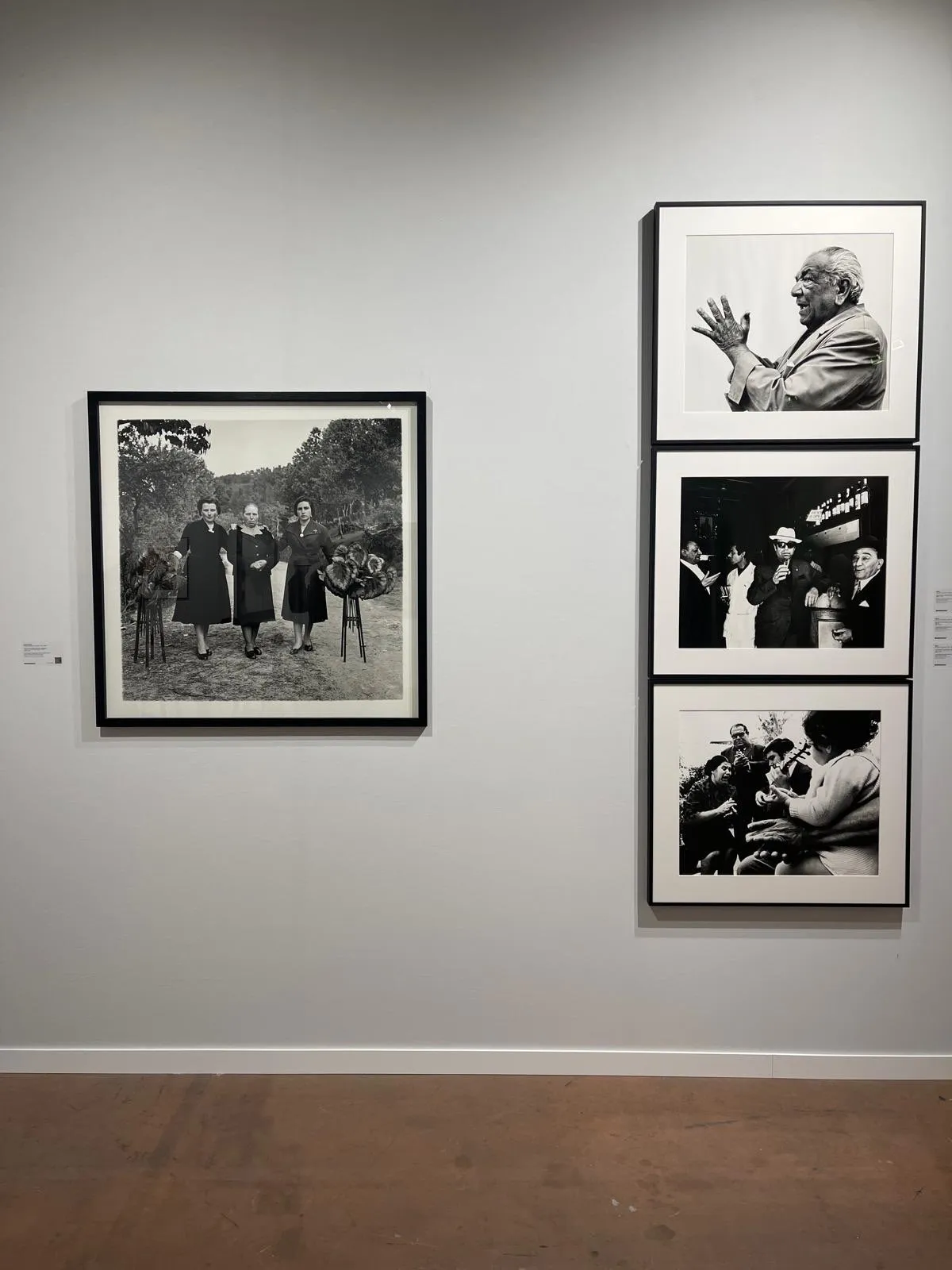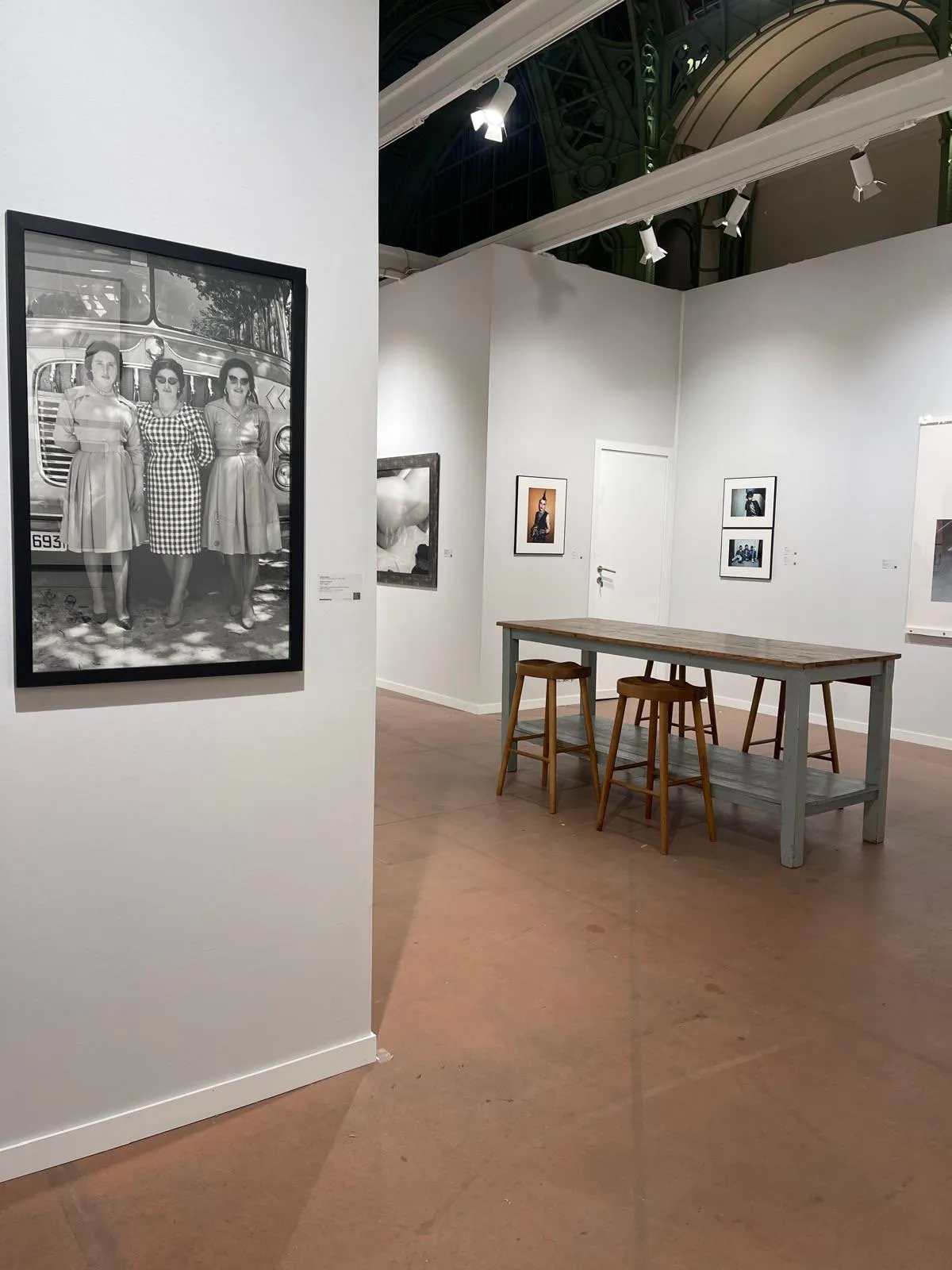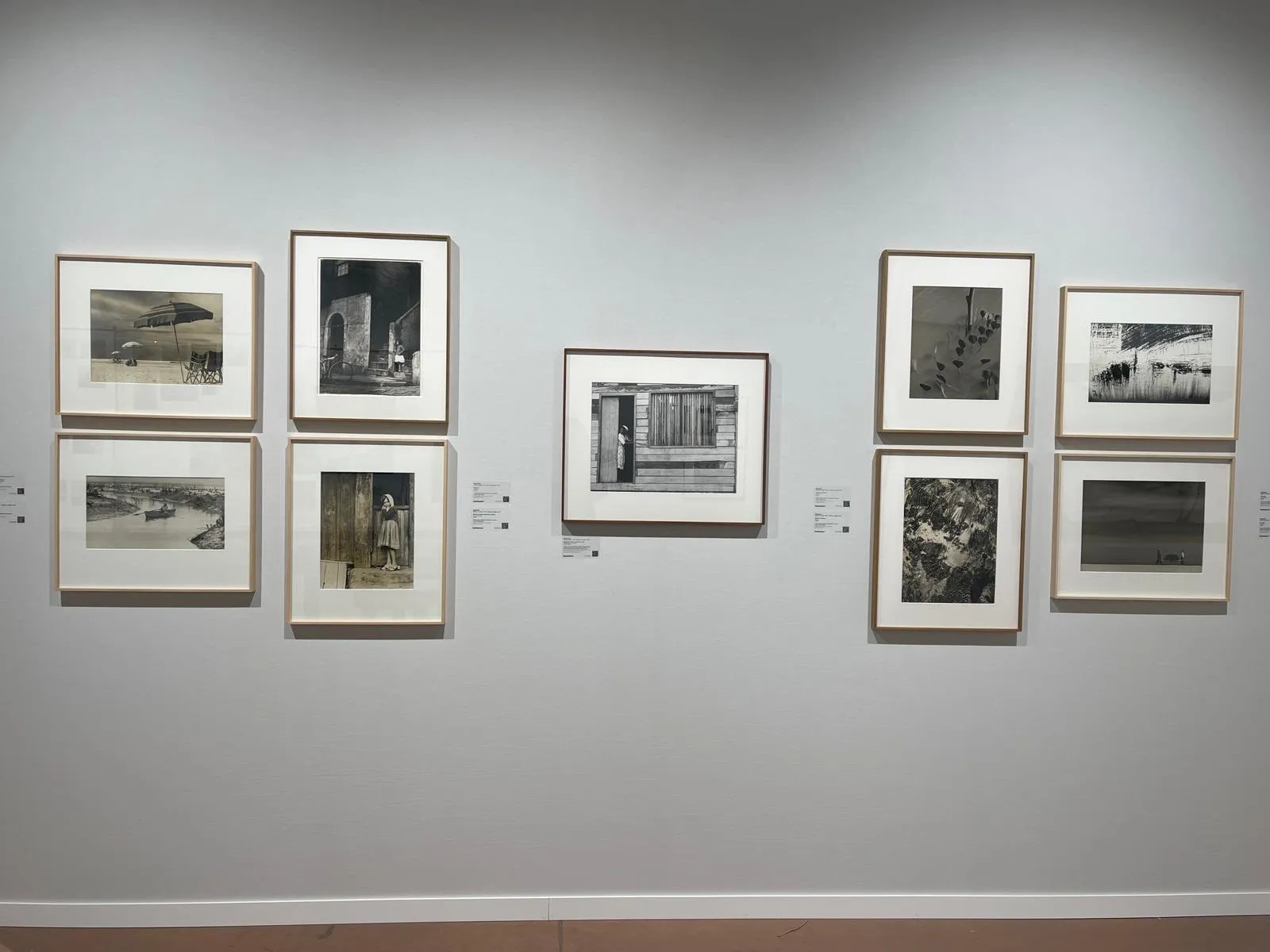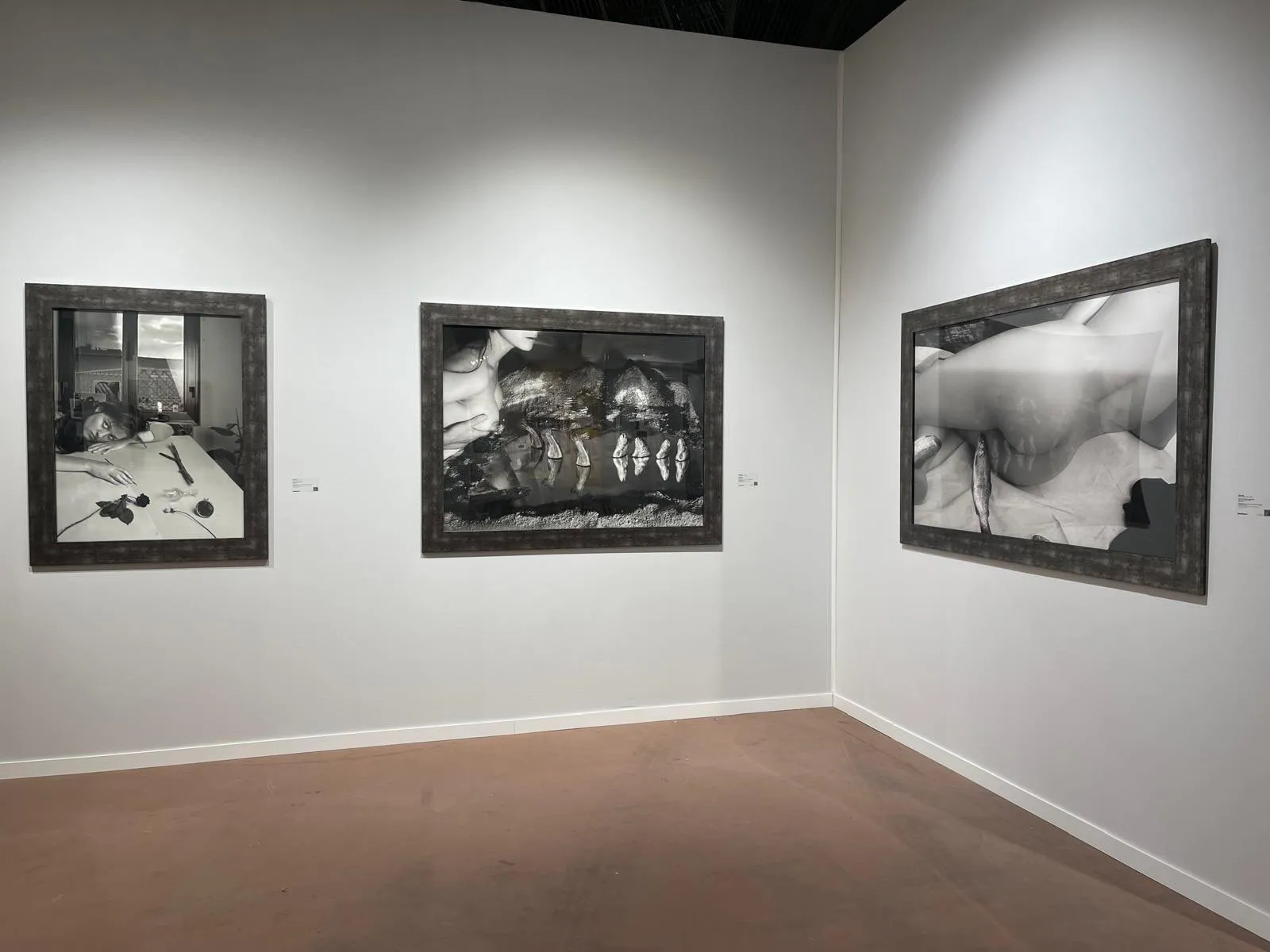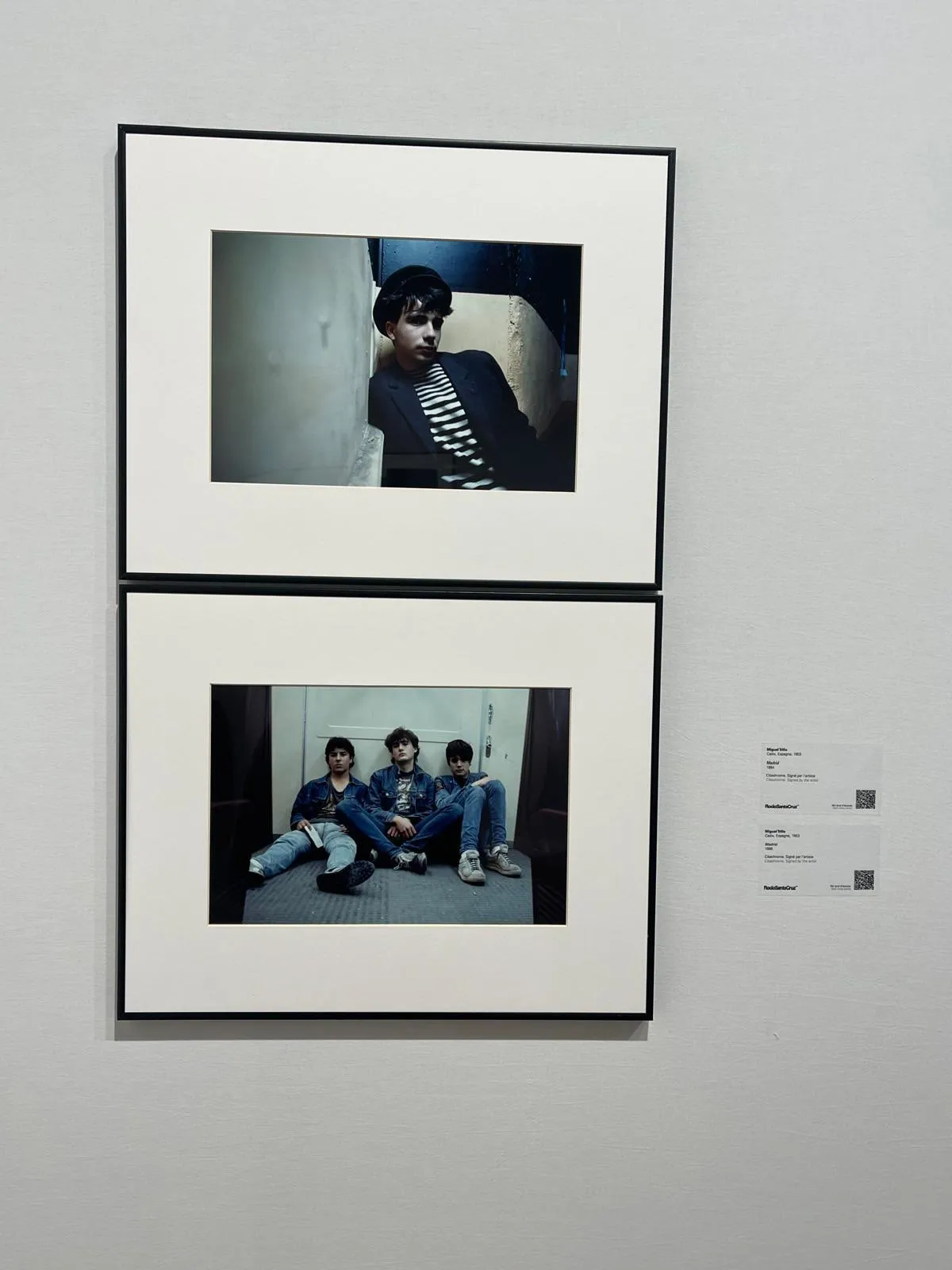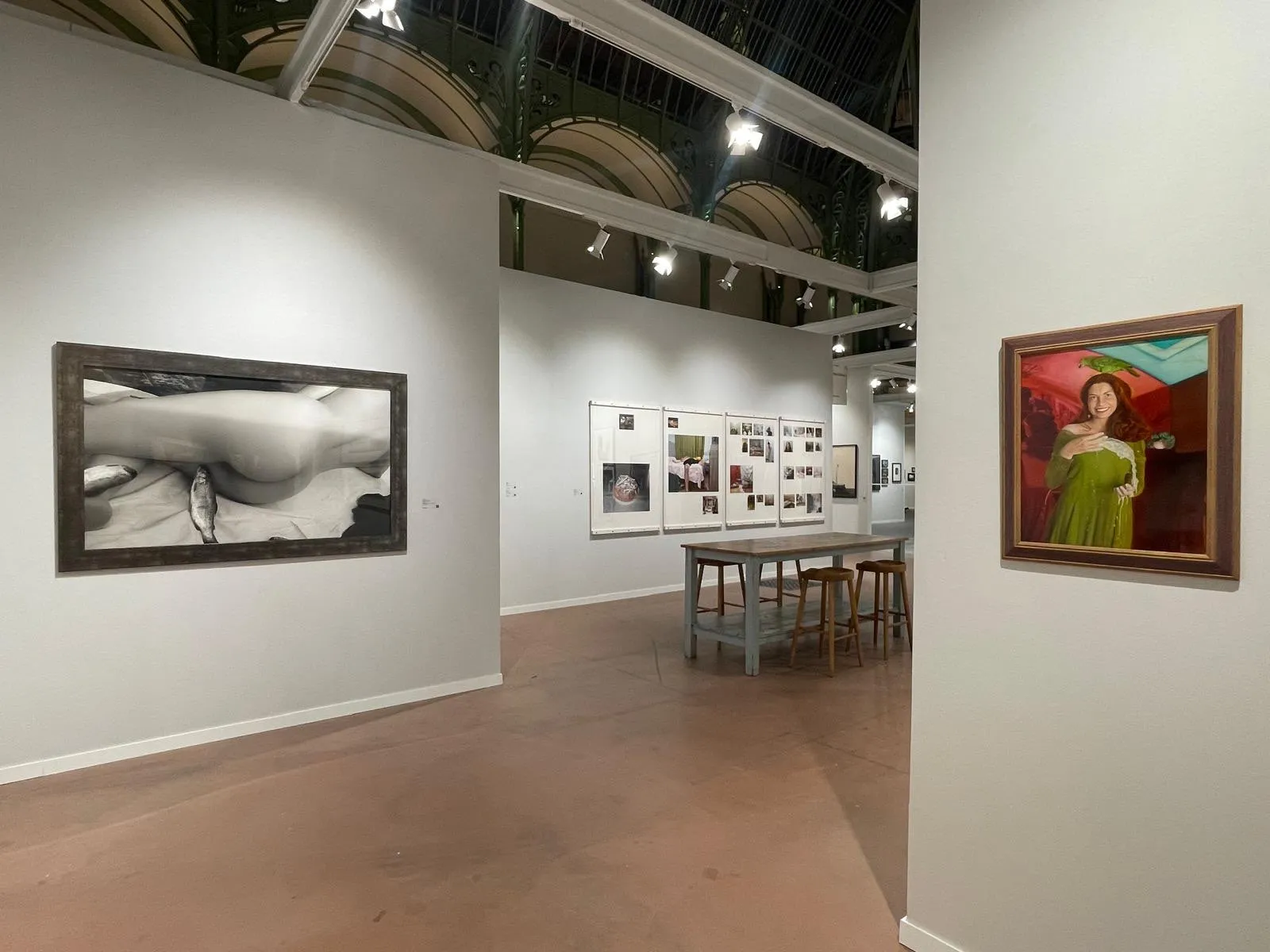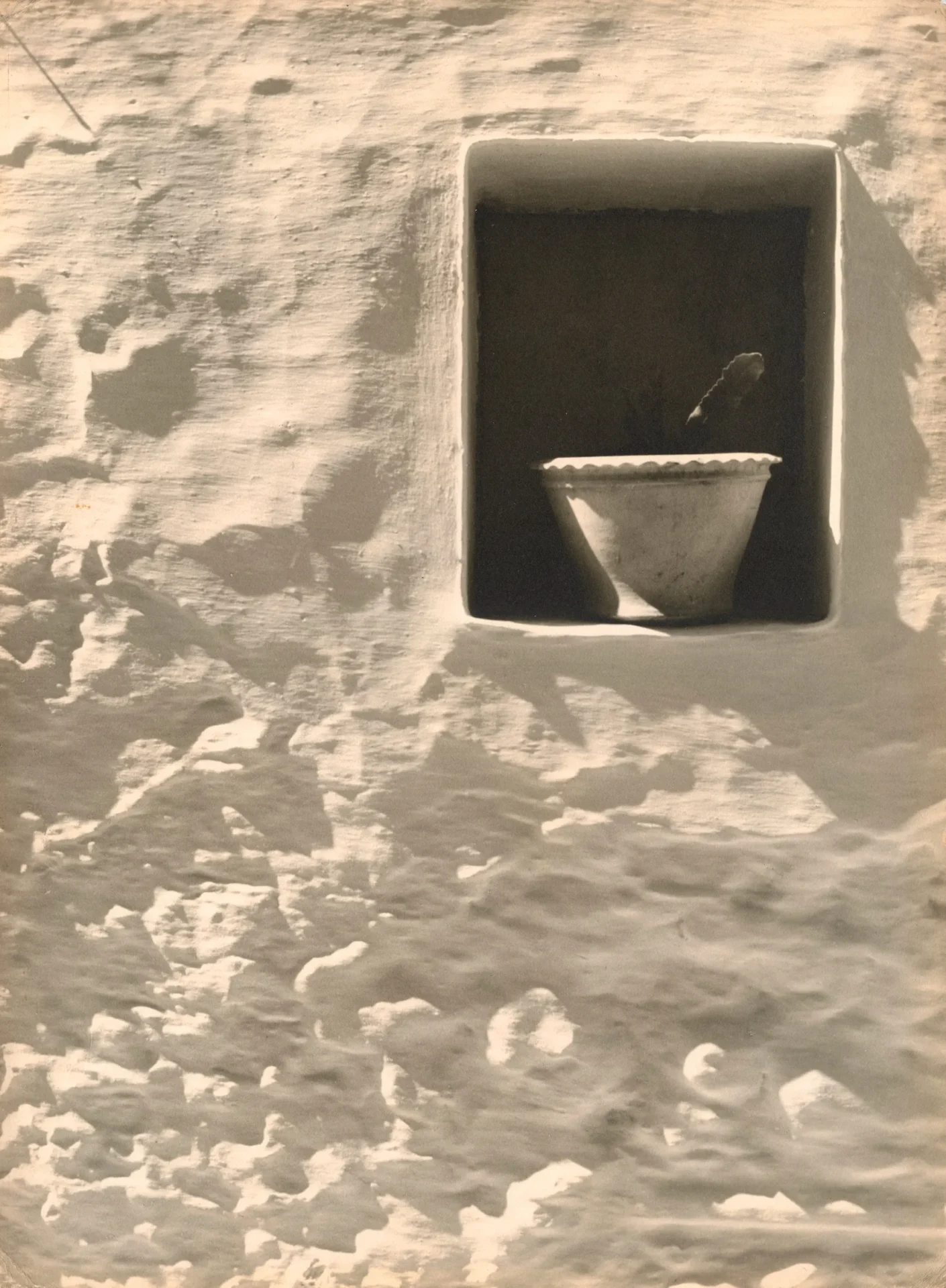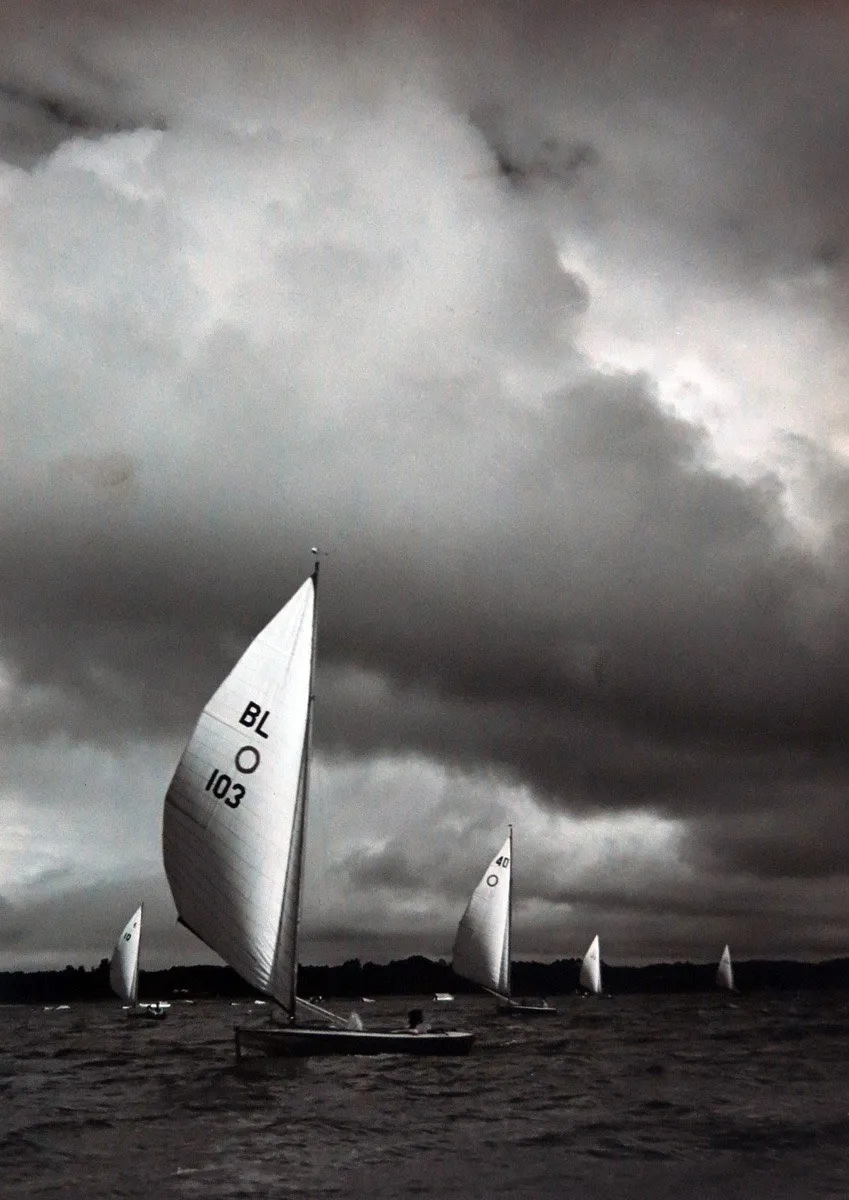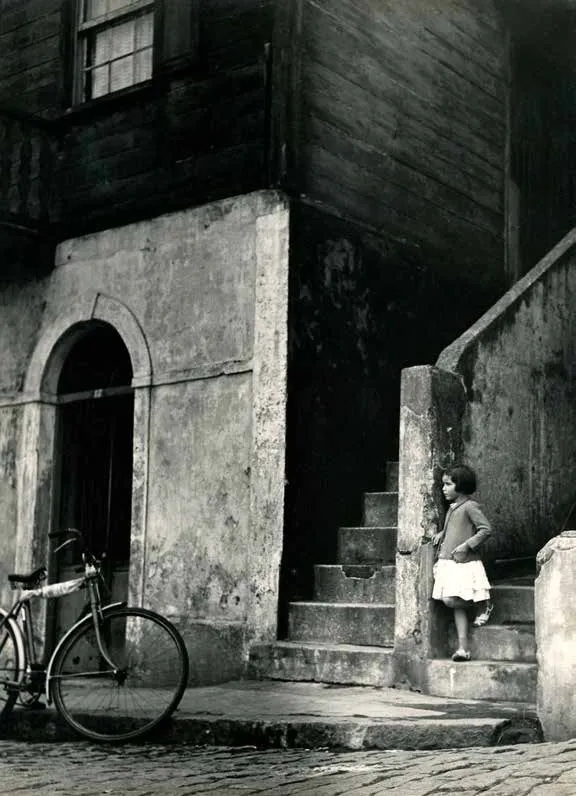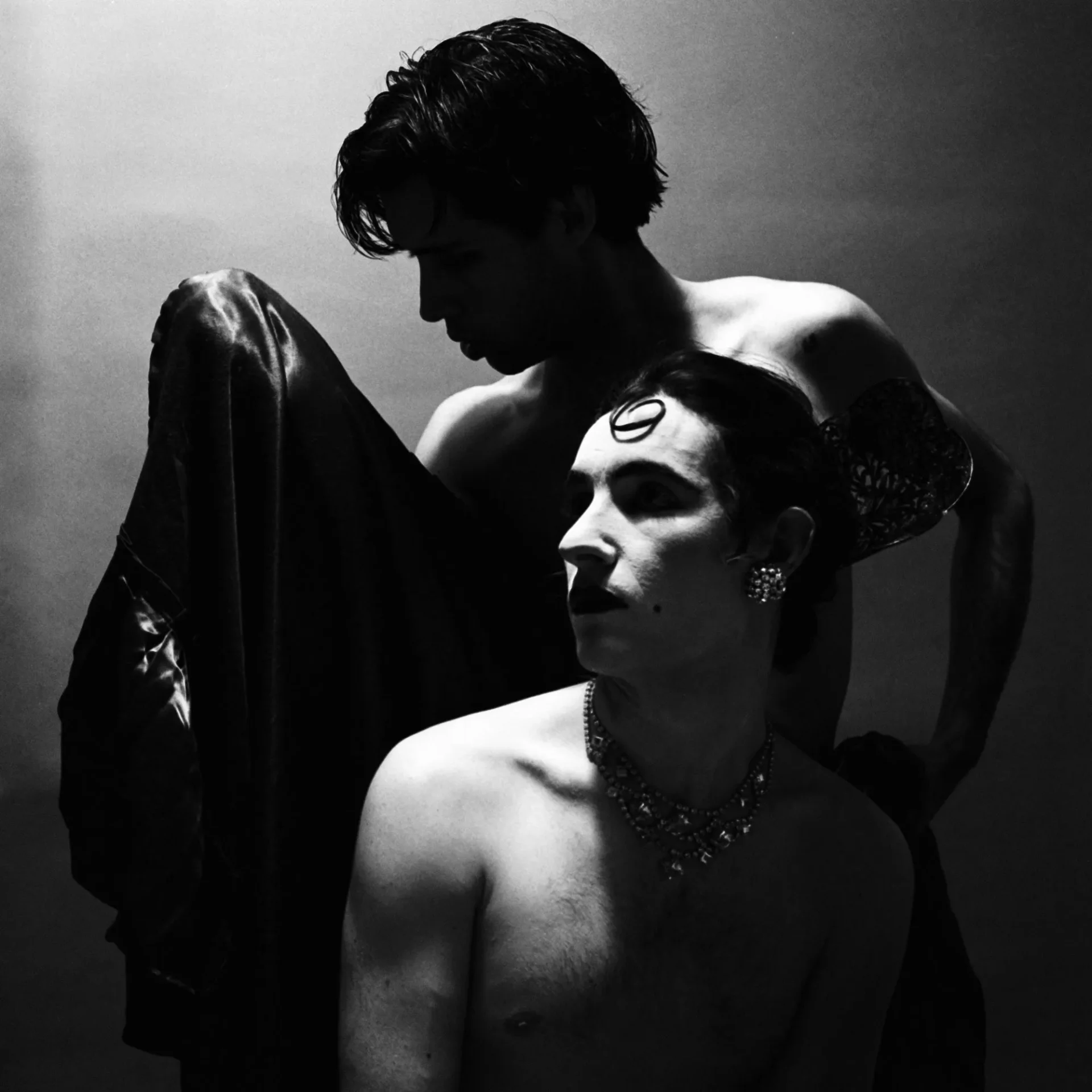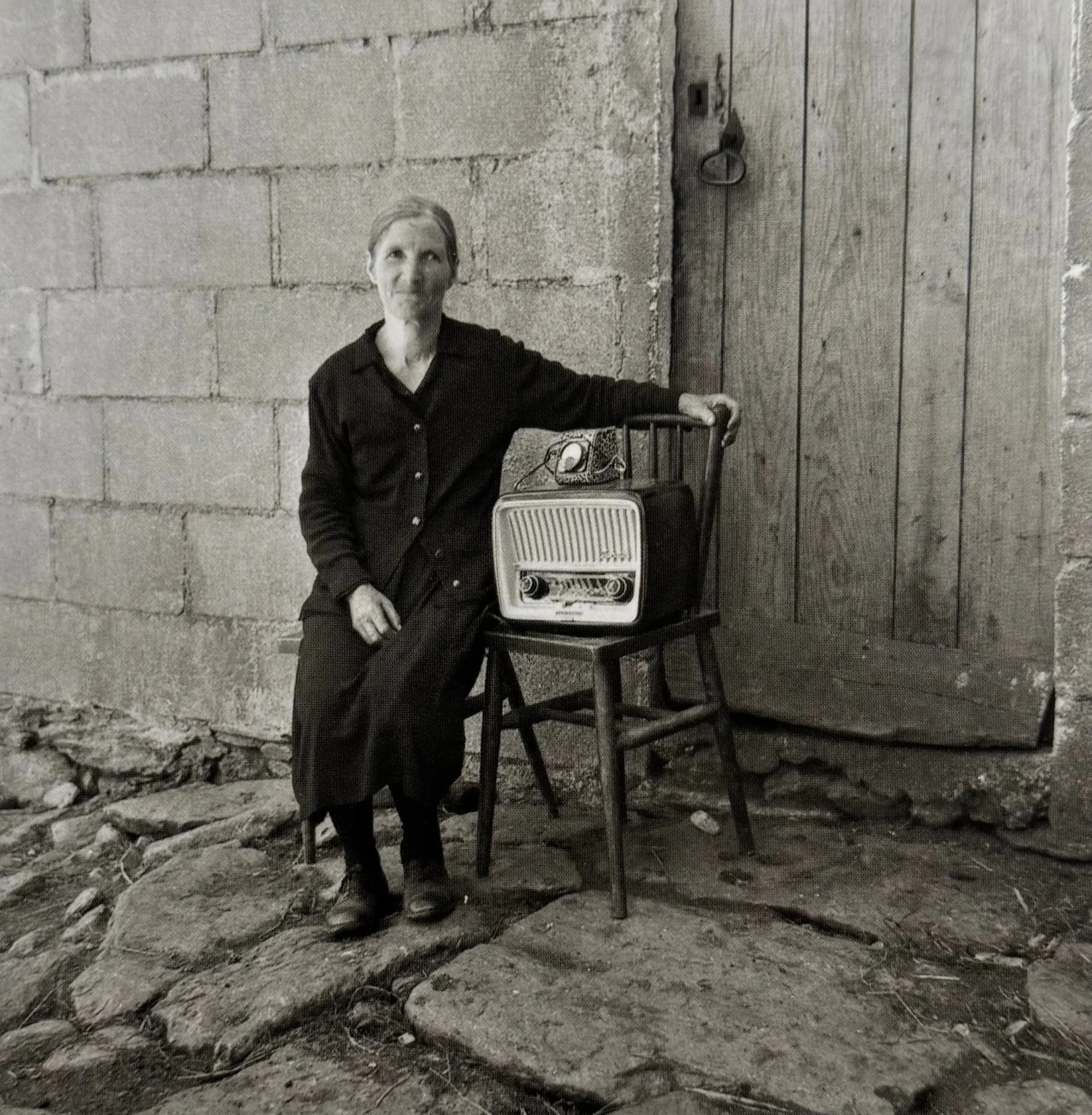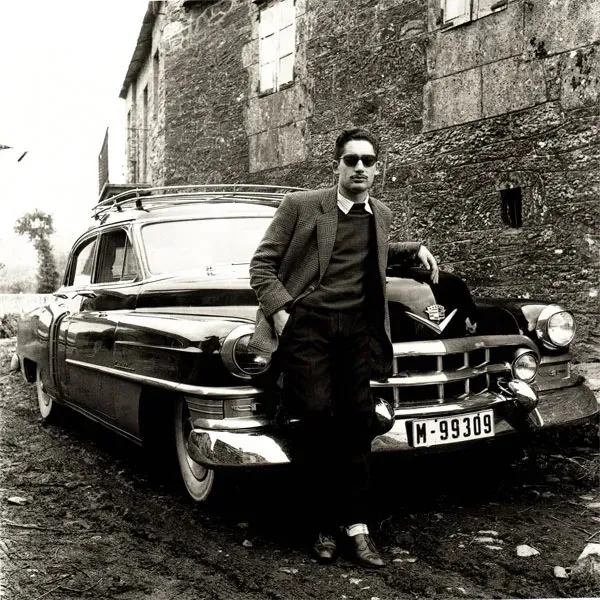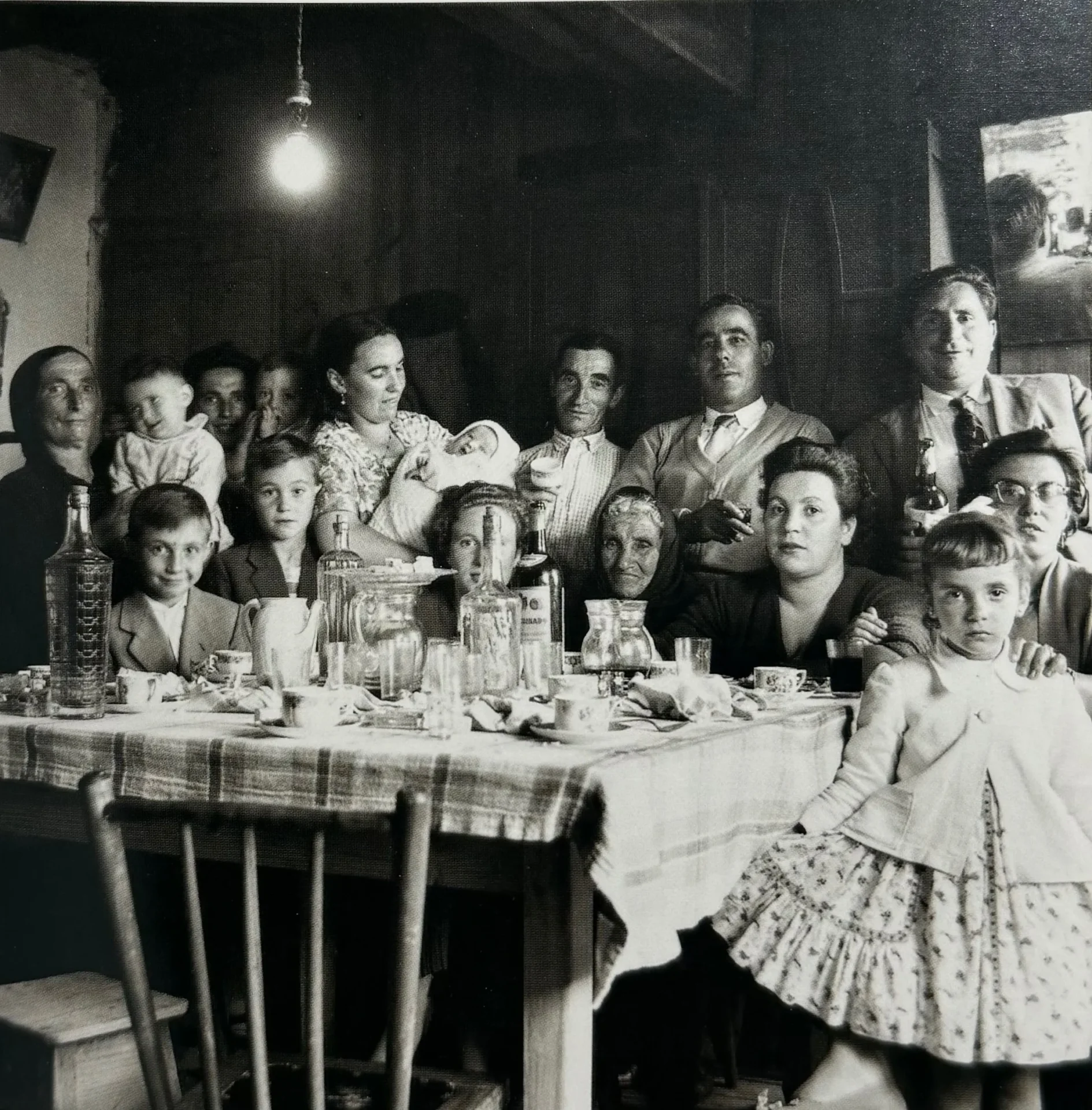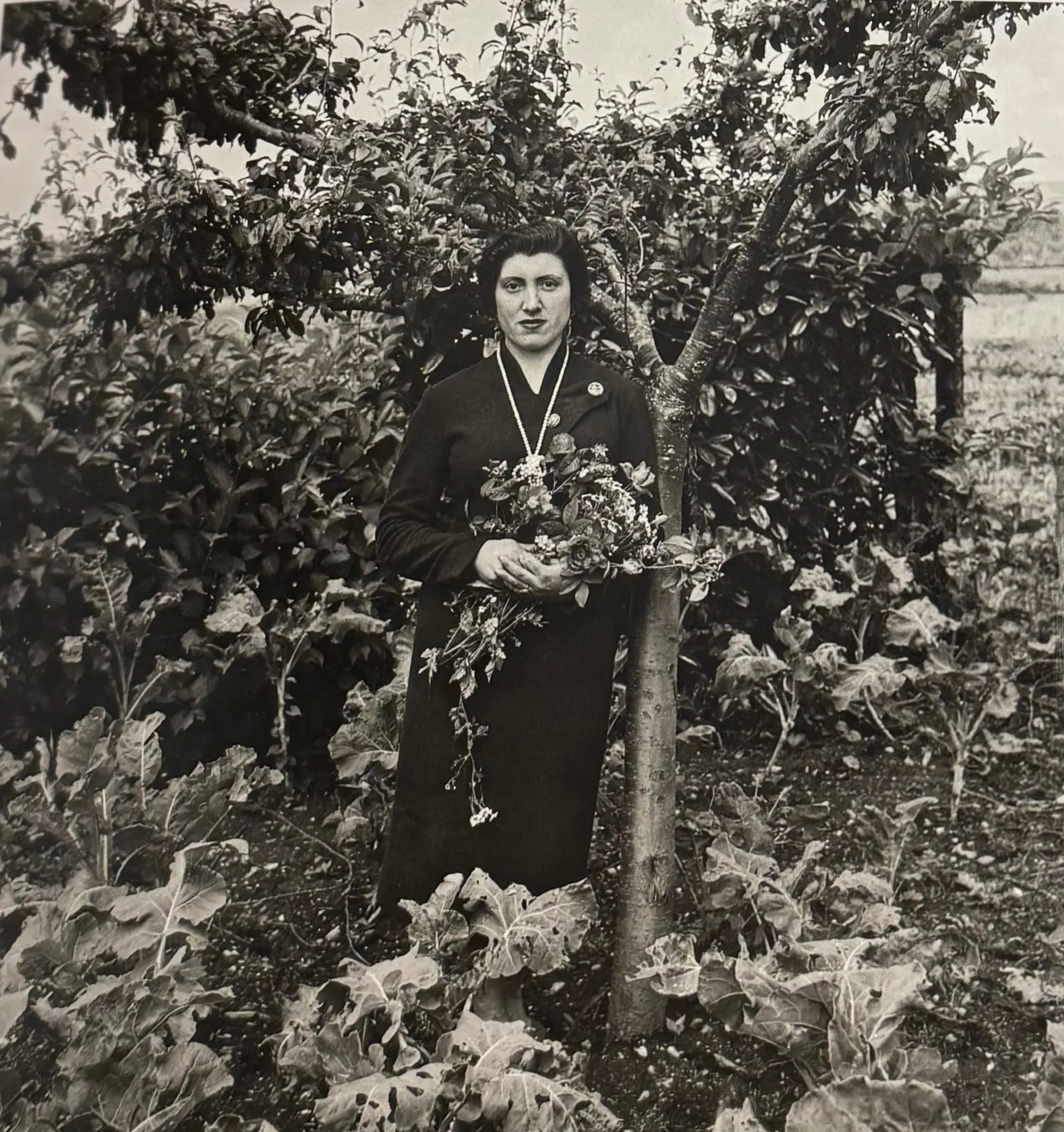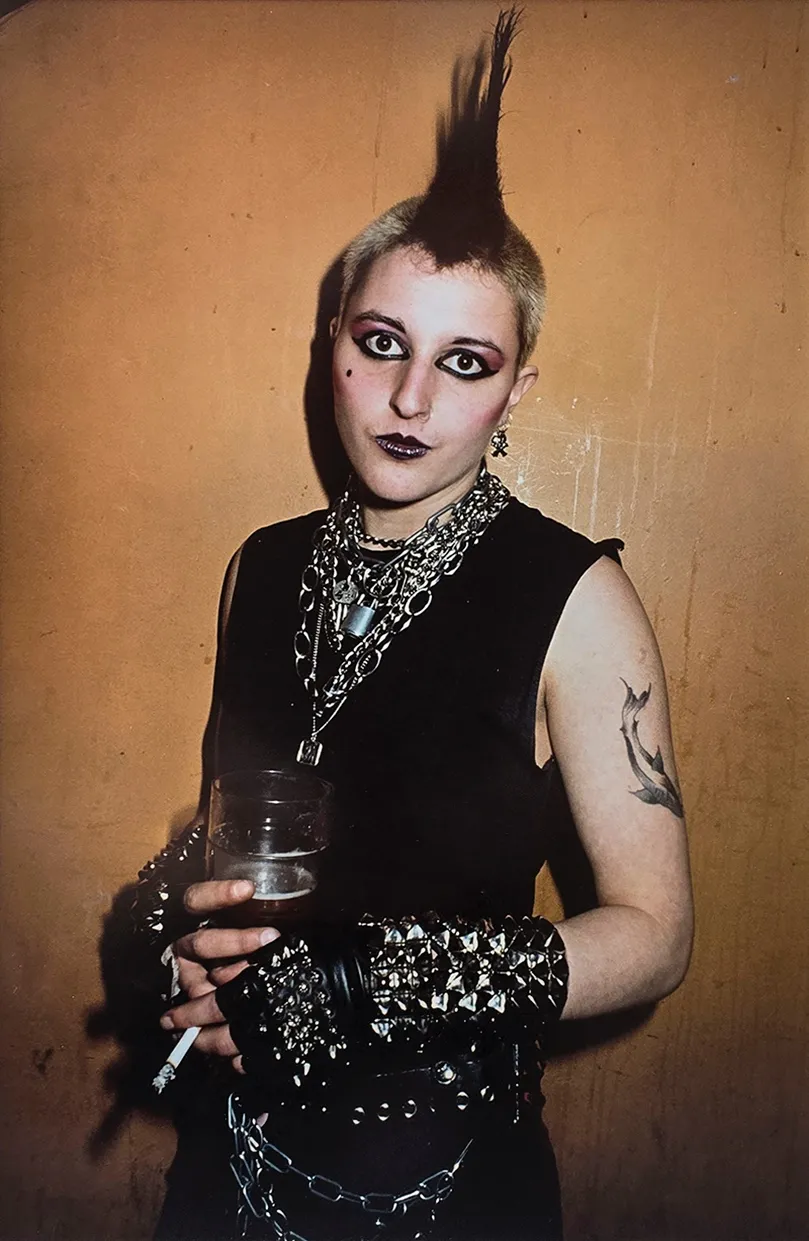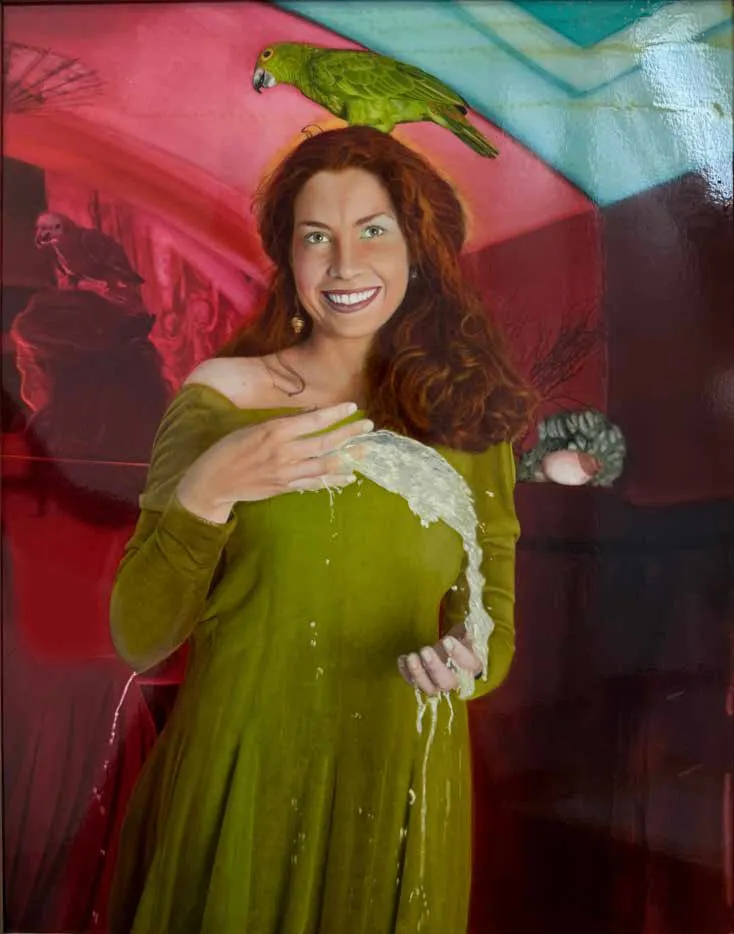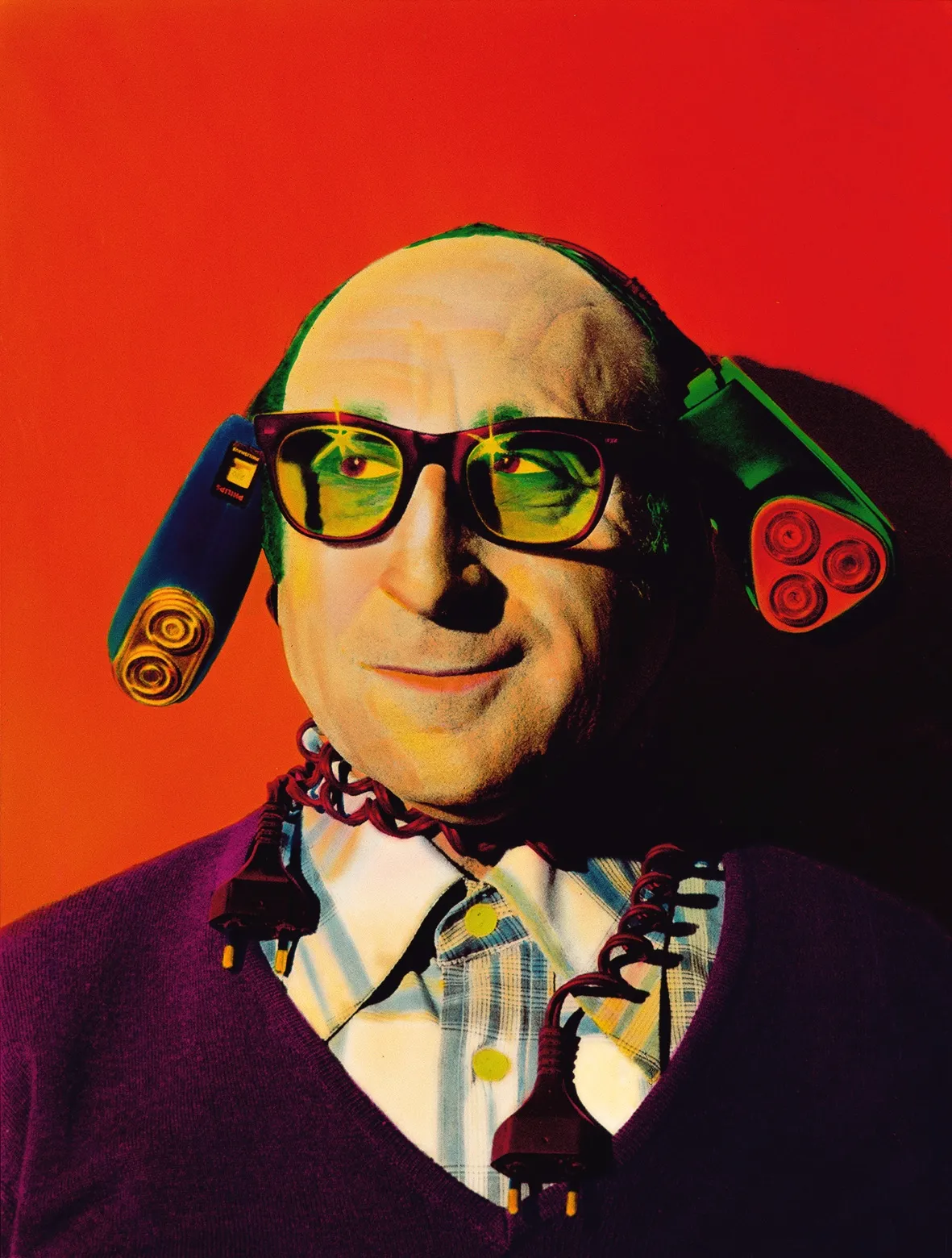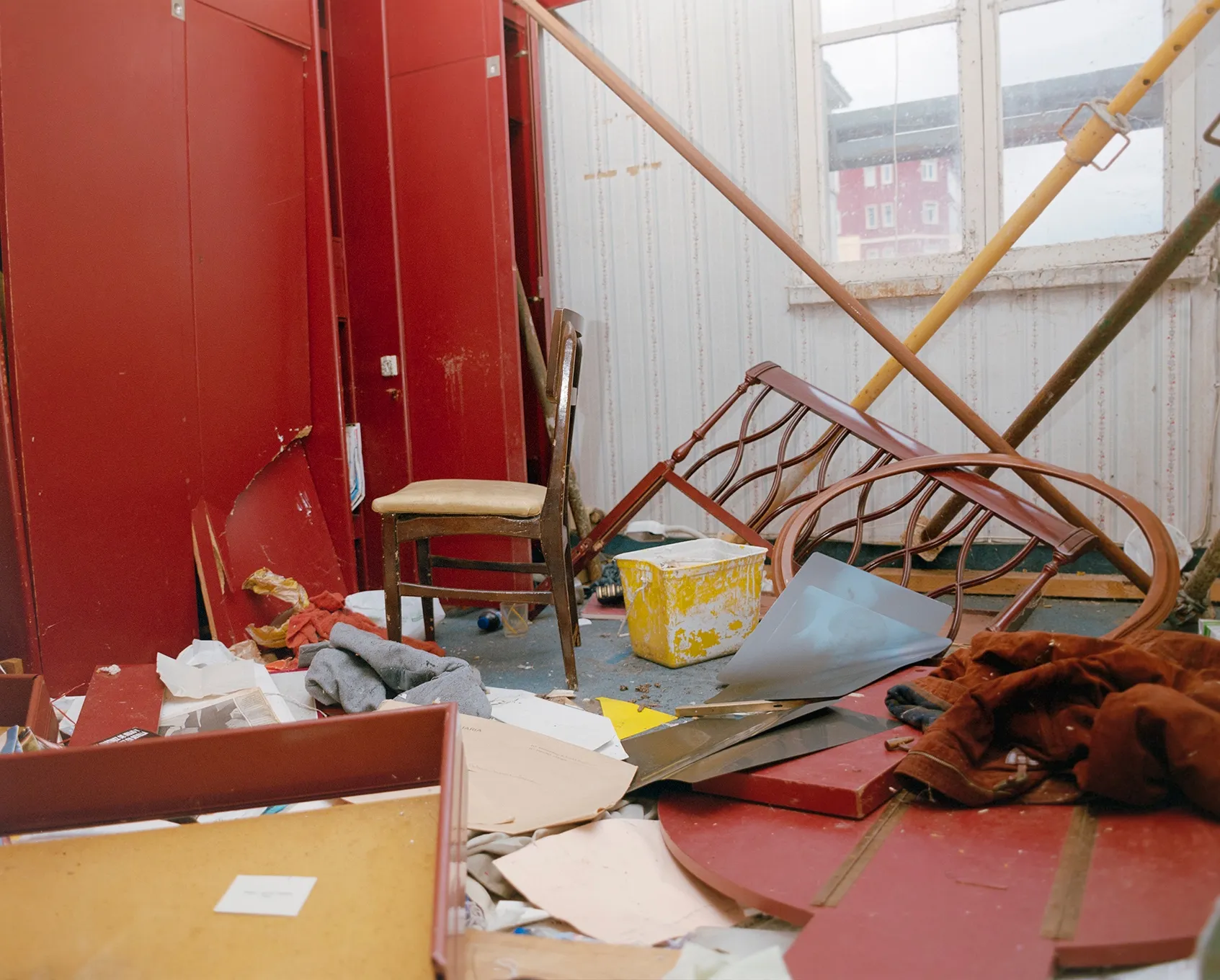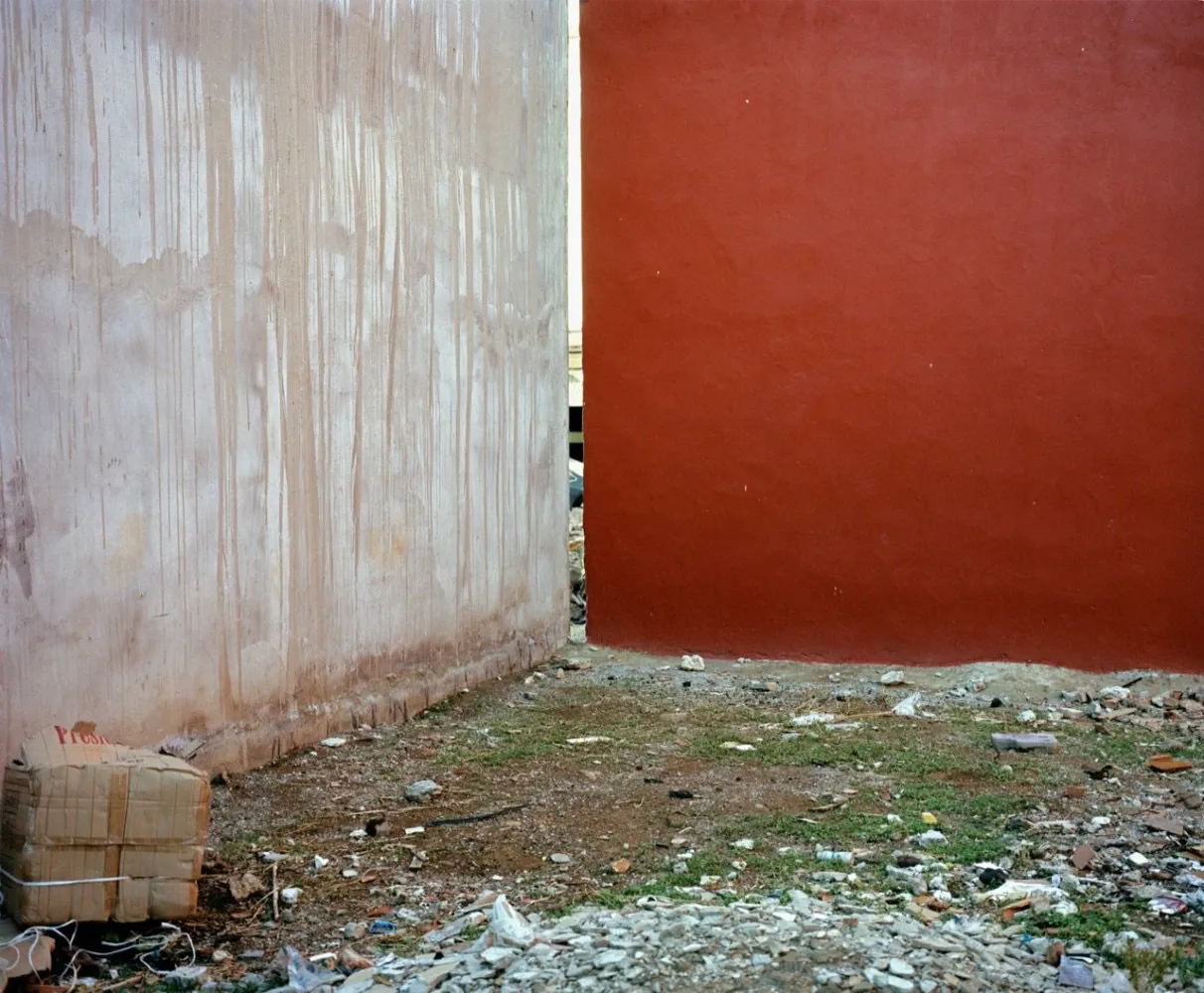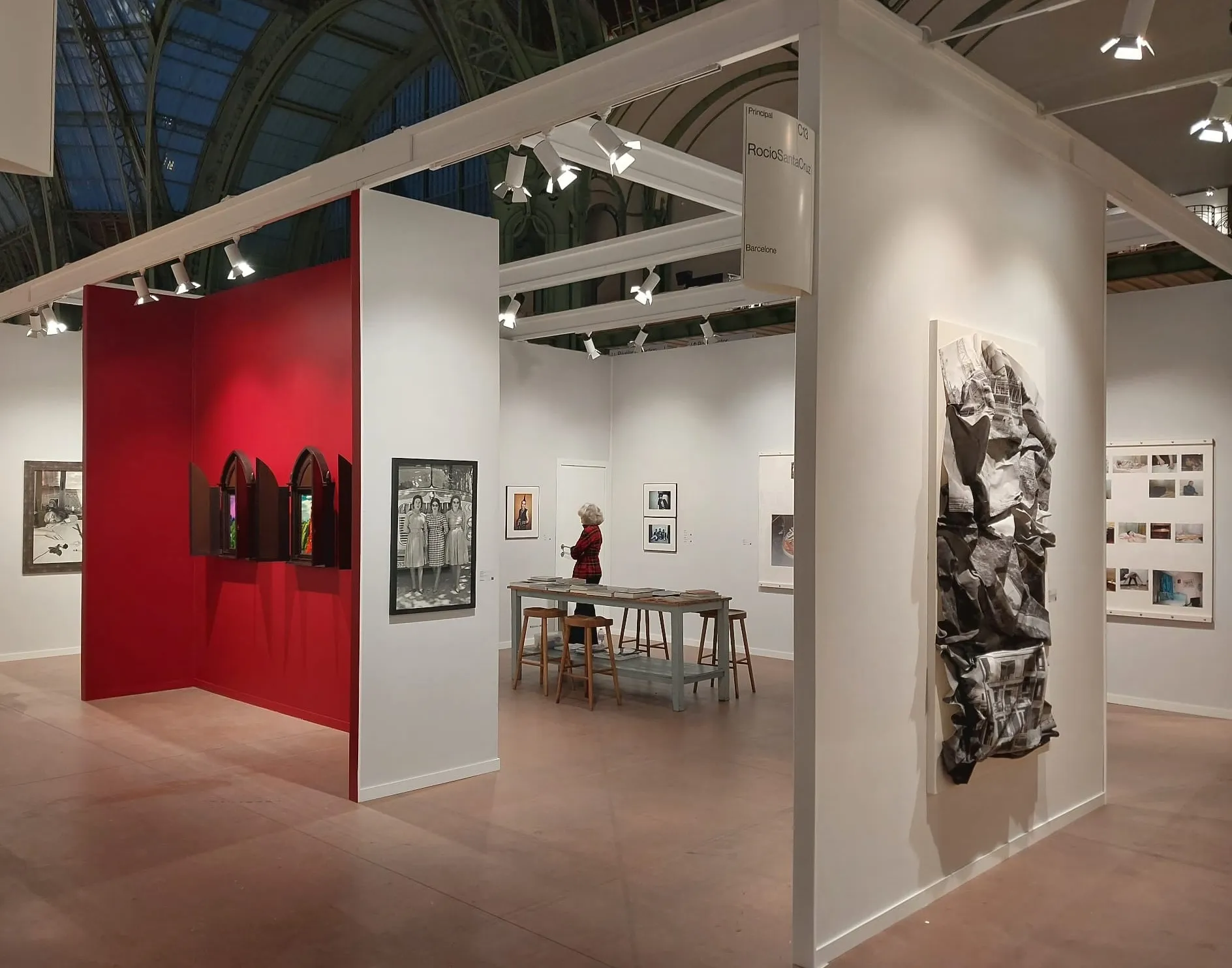
RocioSantaCruz presents a project at Paris Photo that champions photography as a means of interpreting reality and an essential vehicle for historical memory. True to its commitment to research and the recovery of photographic archives—often previously unseen—the gallery establishes an open dialogue between historical legacies and vibrant contemporary perspectives.
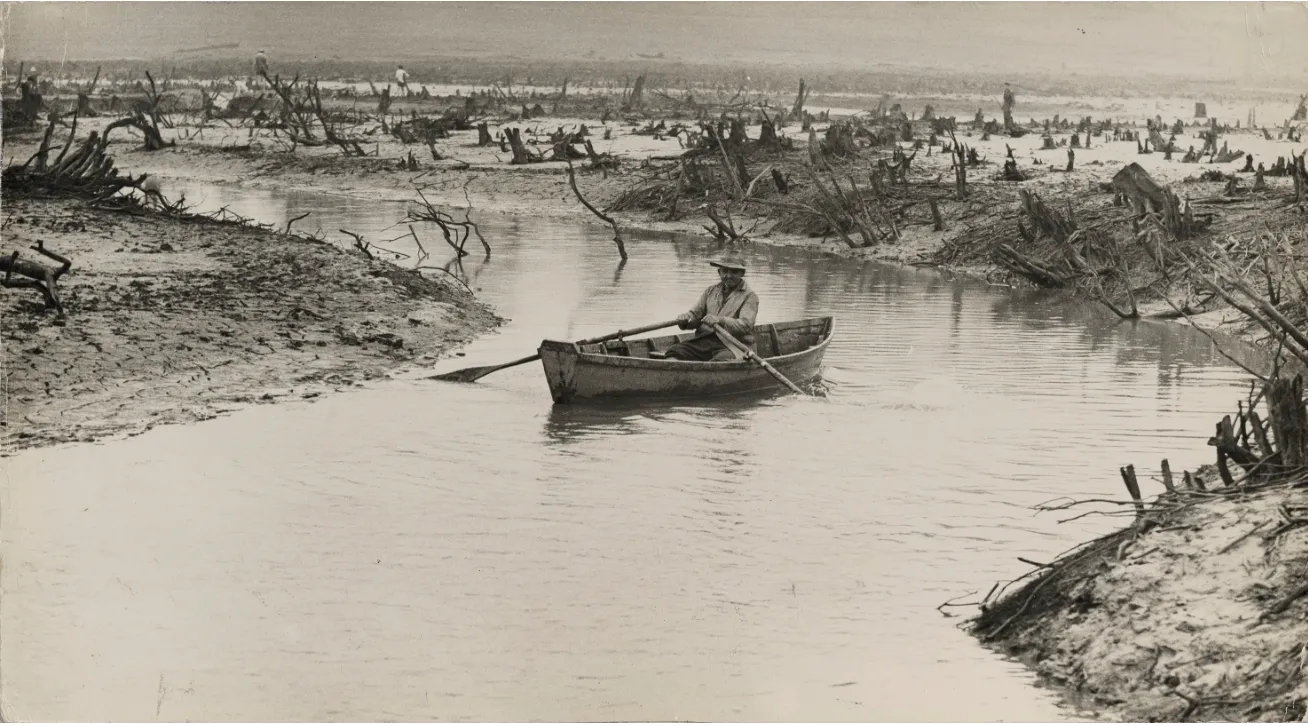
As part of its commitment to bringing historical photography to the fore, the project highlights the work of Virxilio Viéitez, the celebrated Galician photographer whose work captivated Henri Cartier-Bresson himself. In 2003, Cartier-Bresson included Viéitez’s photographs in the landmark retrospective exhibition of his favourite images.
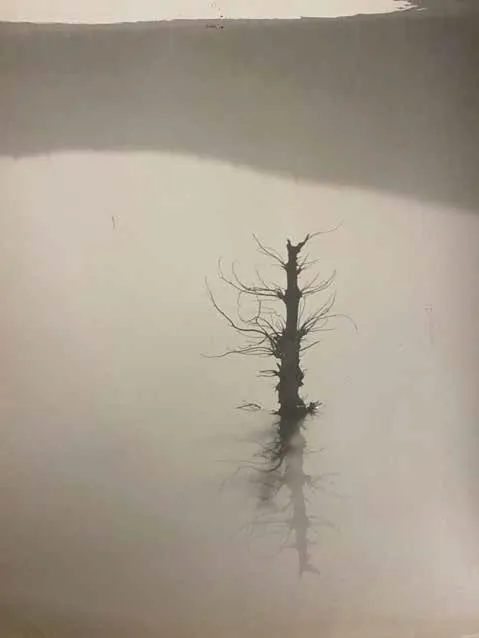
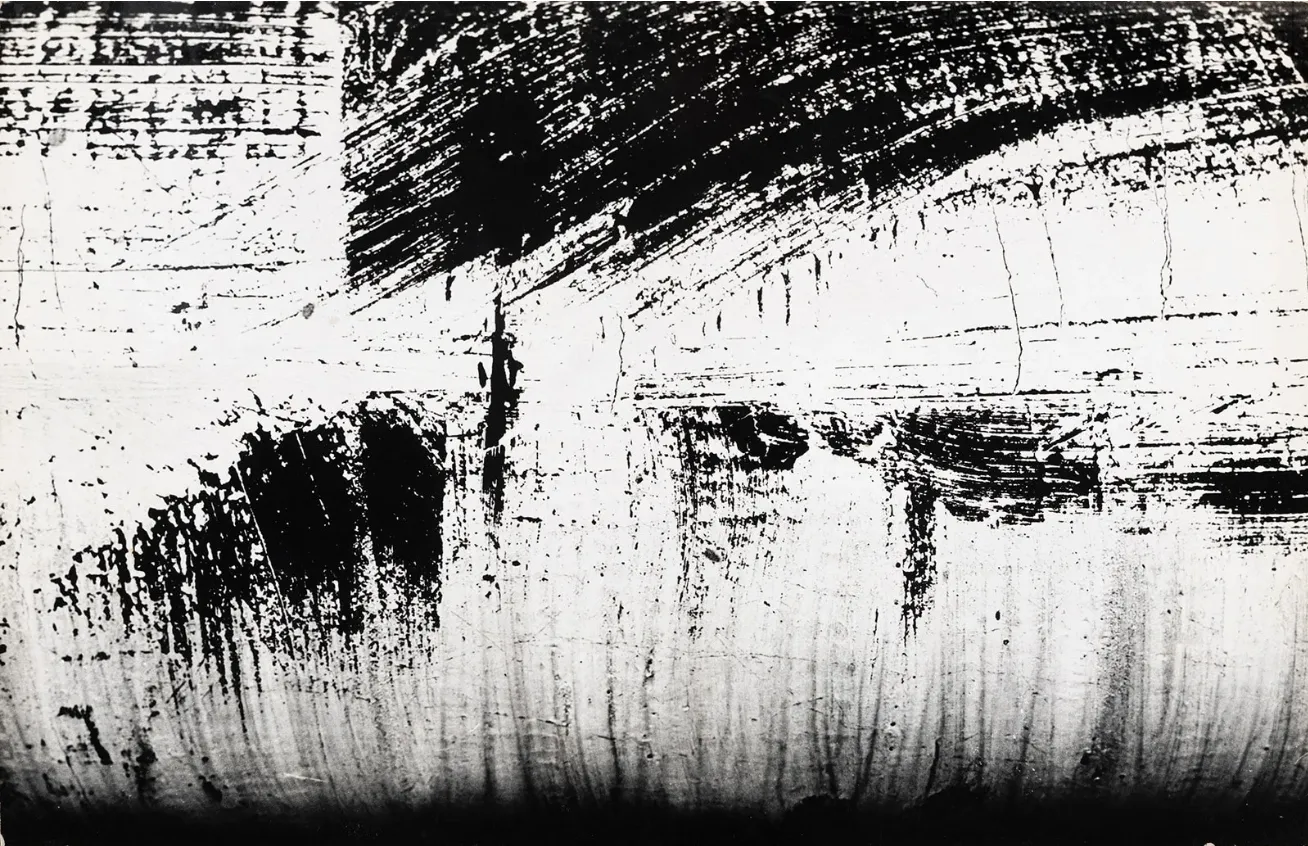
Alongside his work, the project revisits the avant-garde spirit of the Foto Cine Clube Bandeirante through historical works by Marcel Giró and Palmira Puig, key figures in modern photography. Their contribution attracted international attention at the major exhibition held during the 2025 edition of the Les Rencontres d’Arles festival, and continues to do so today with a comprehensive exhibition at the Instituto Cervantes in São Paulo.
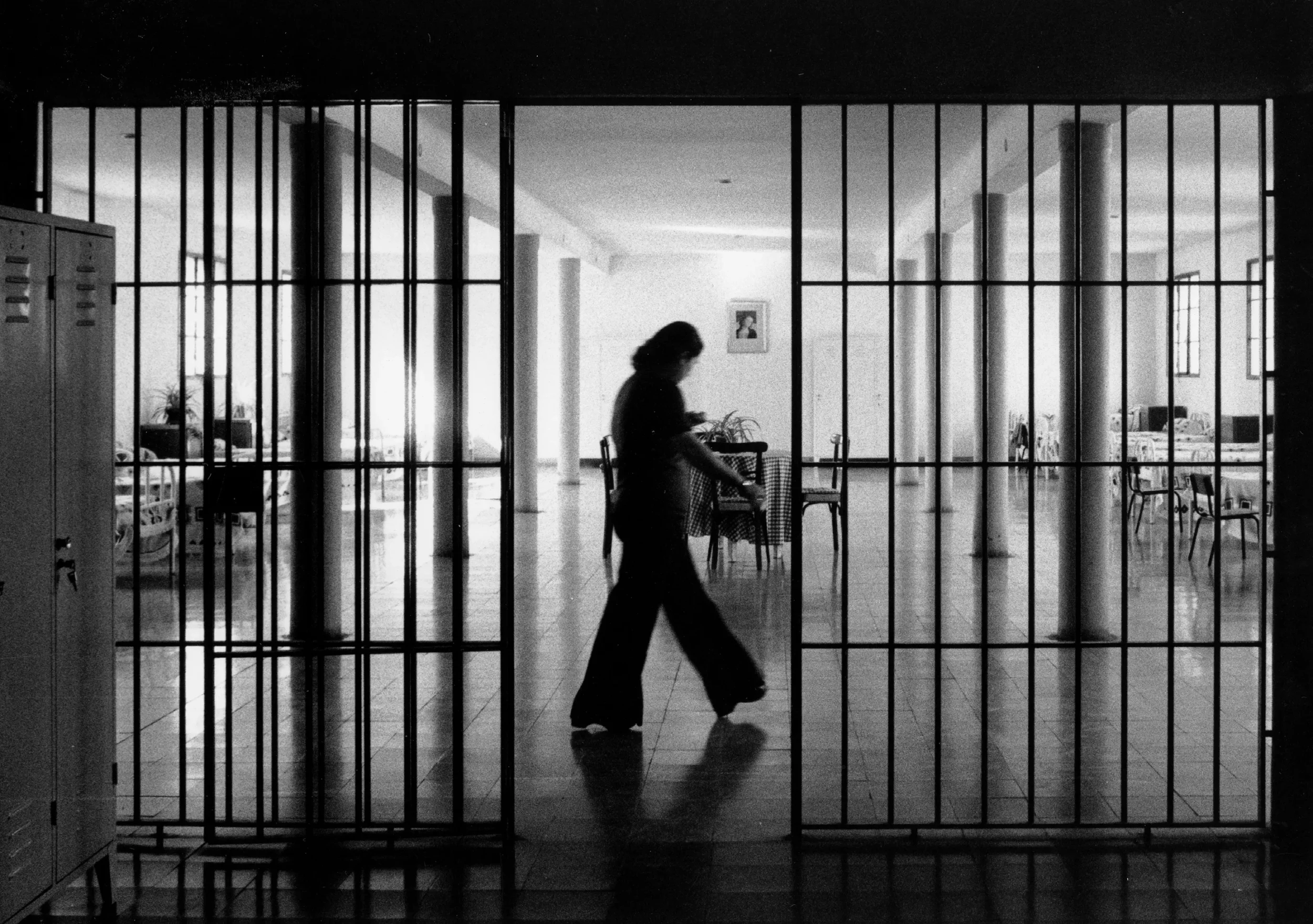
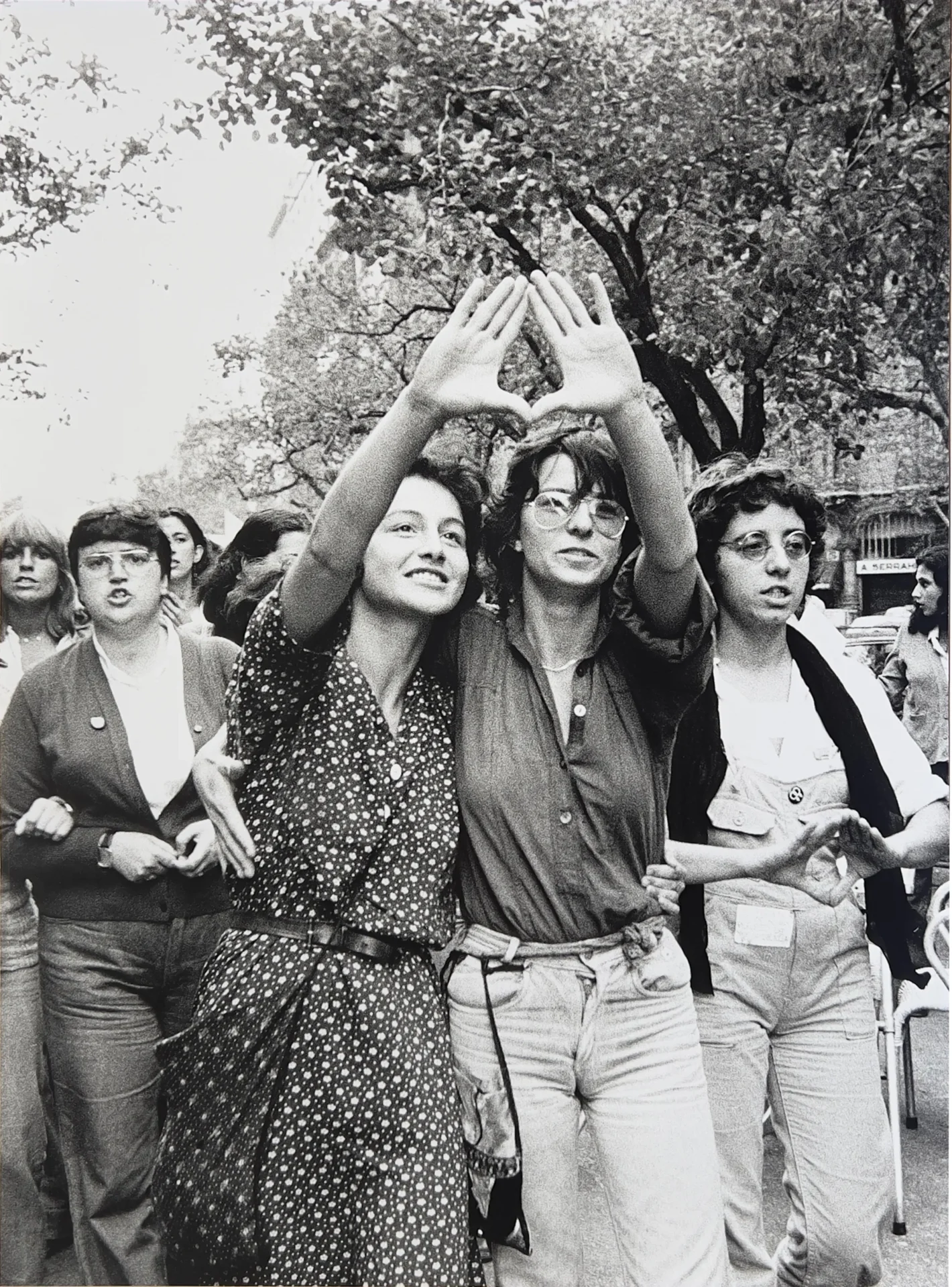
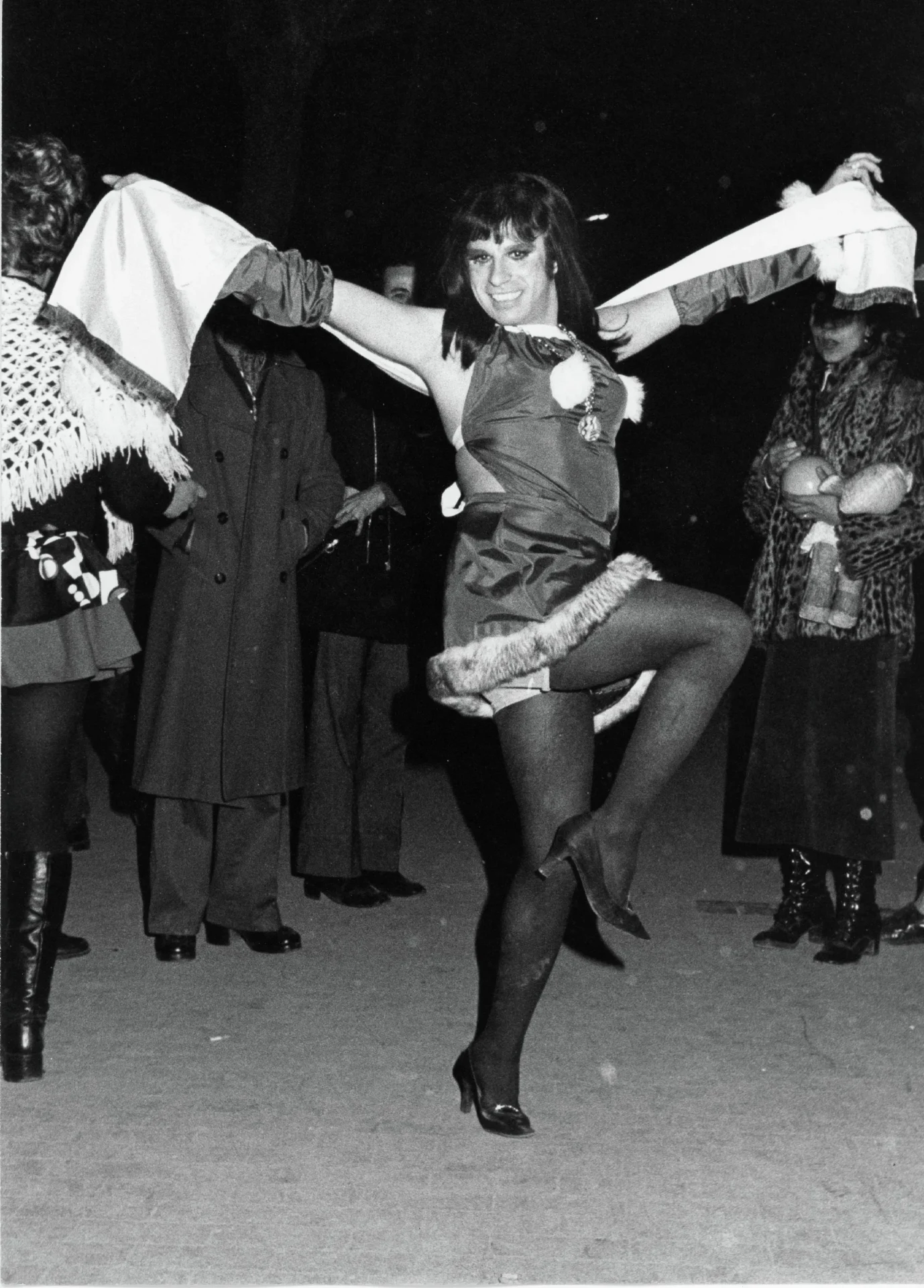
The exploration of gender and the breadth of the photographic medium is reflected in the work of Colita and Pilar Aymerich, two exceptional artists who challenged the conventions of their time and documented Spain’s social and political transition with profound creative freedom.
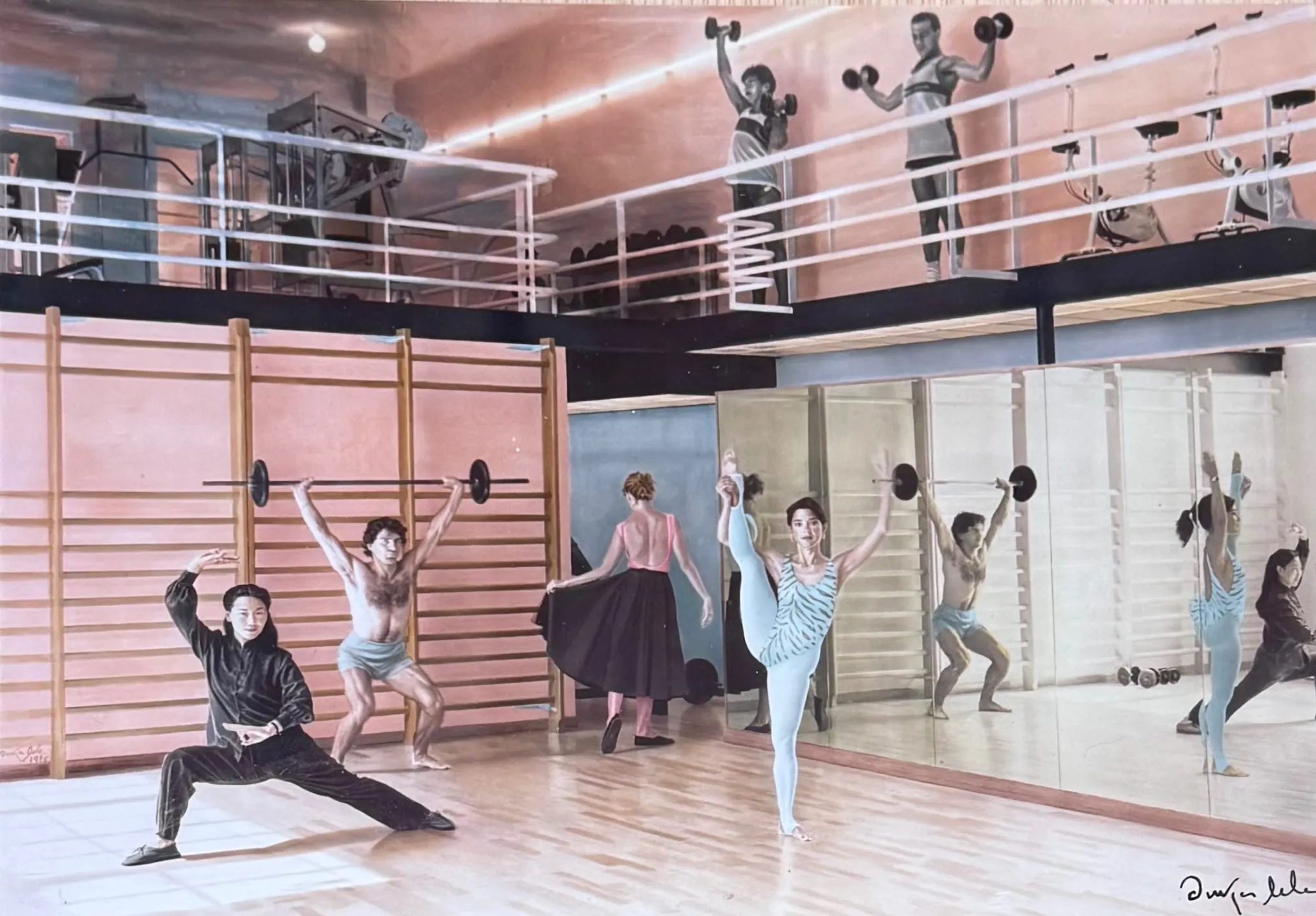
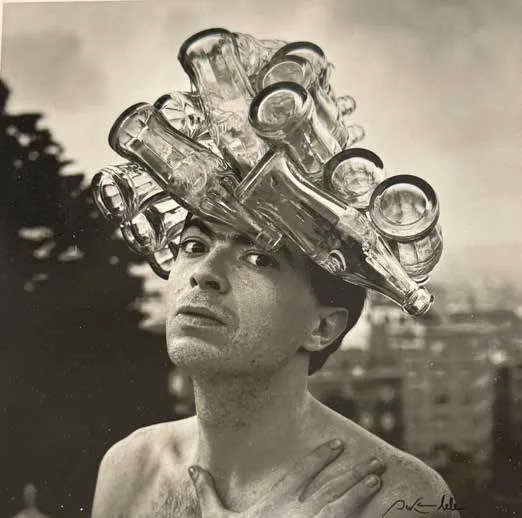
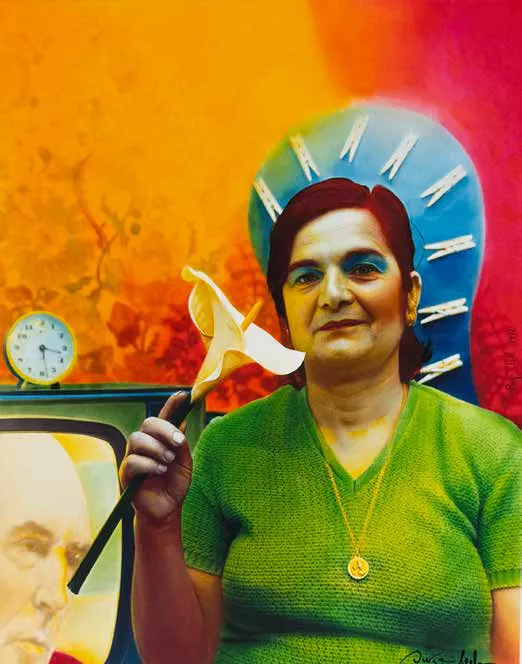
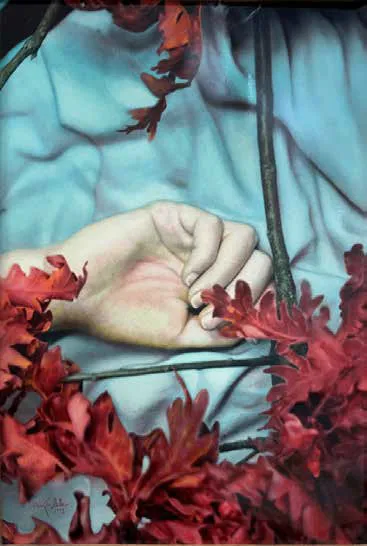
Within this same historical context of rupture and transformation, the gallery presents, for the first time at Paris Photo, Ouka Leele’s iconic series Santa Bárbara Bendita. A pivotal figure of La Movida and Spain’s Transition to democracy, the artist began her international exhibition career in 1978 at the Rencontres d’Arles festival, where her work returned a decade ago. Through her free-spirited, experimental and vividly coloured visual language, Ouka Leele permanently blurred the boundaries between photography, painting and performance.
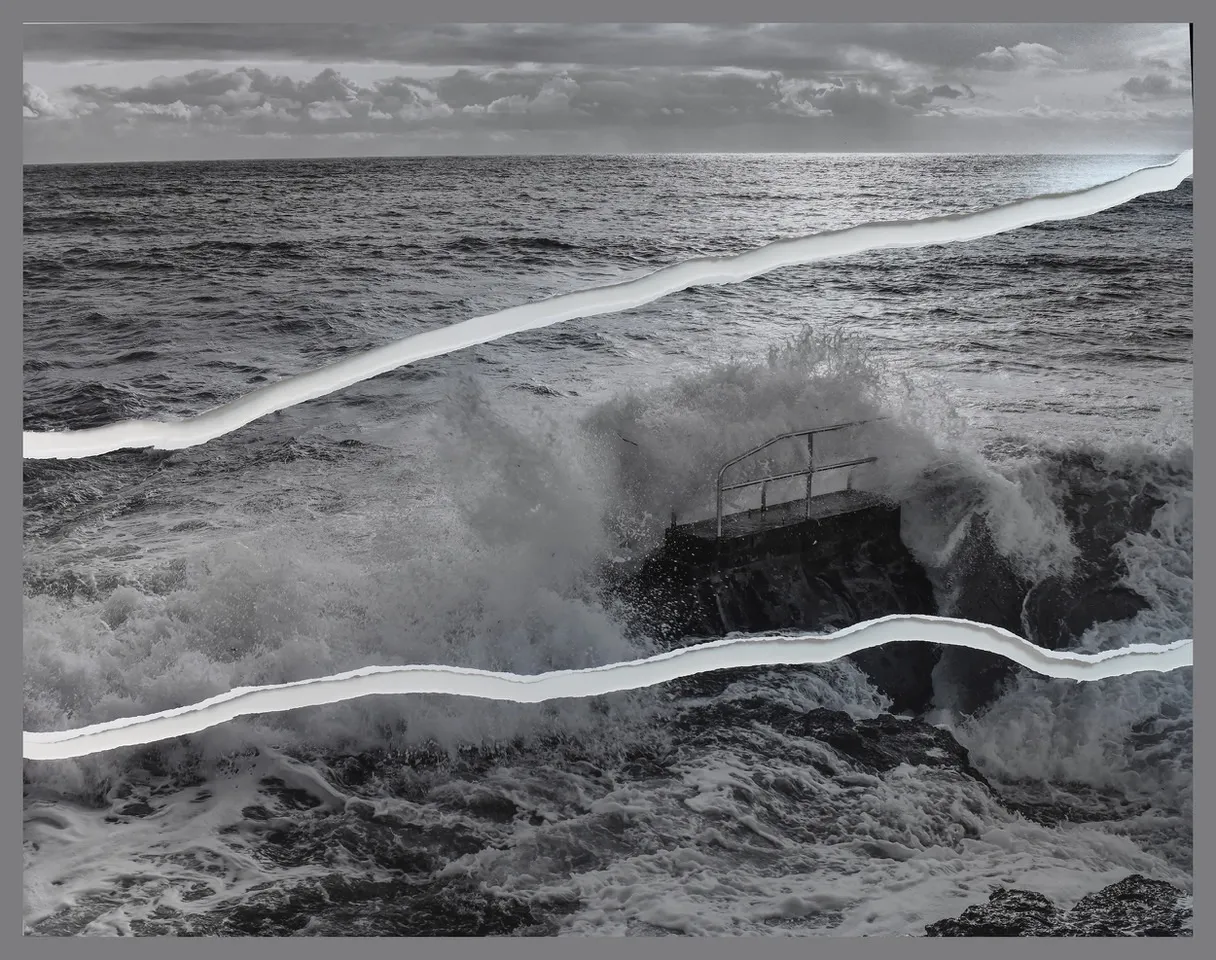
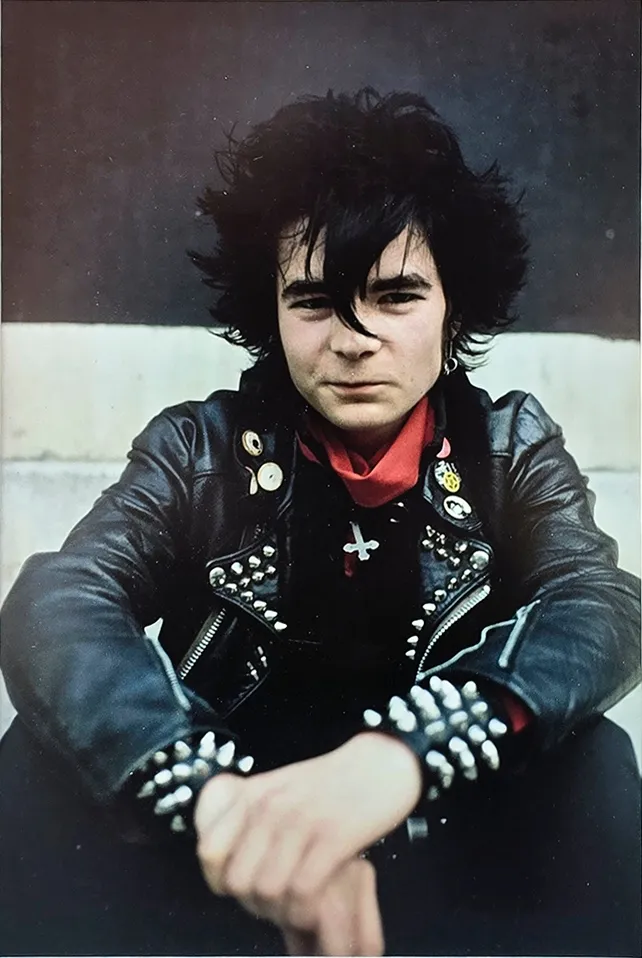
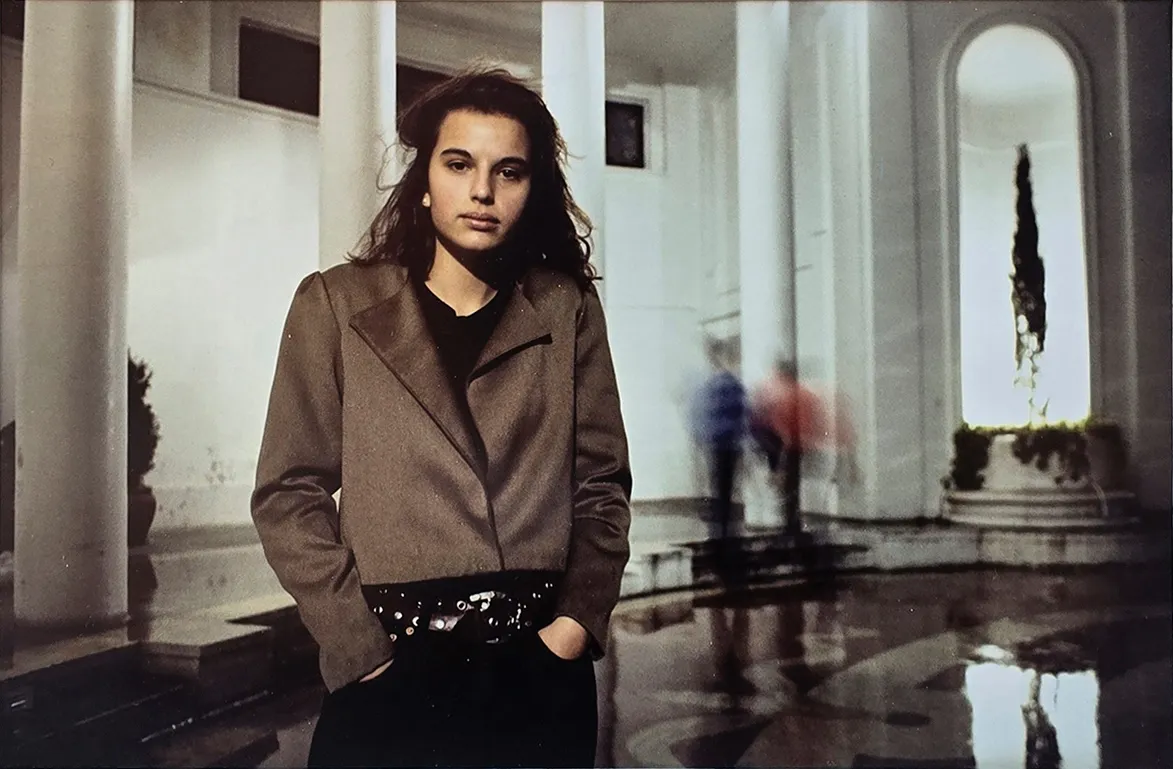
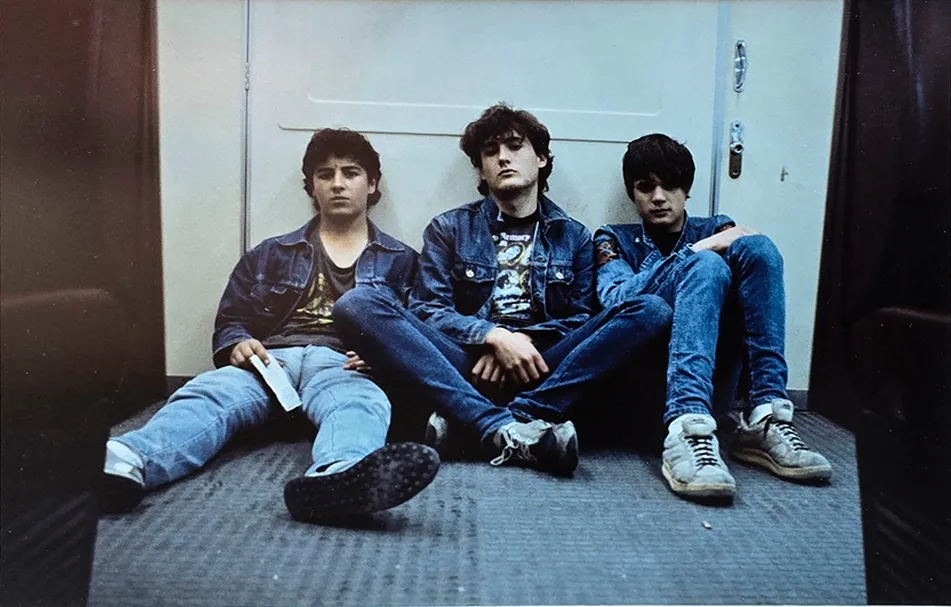
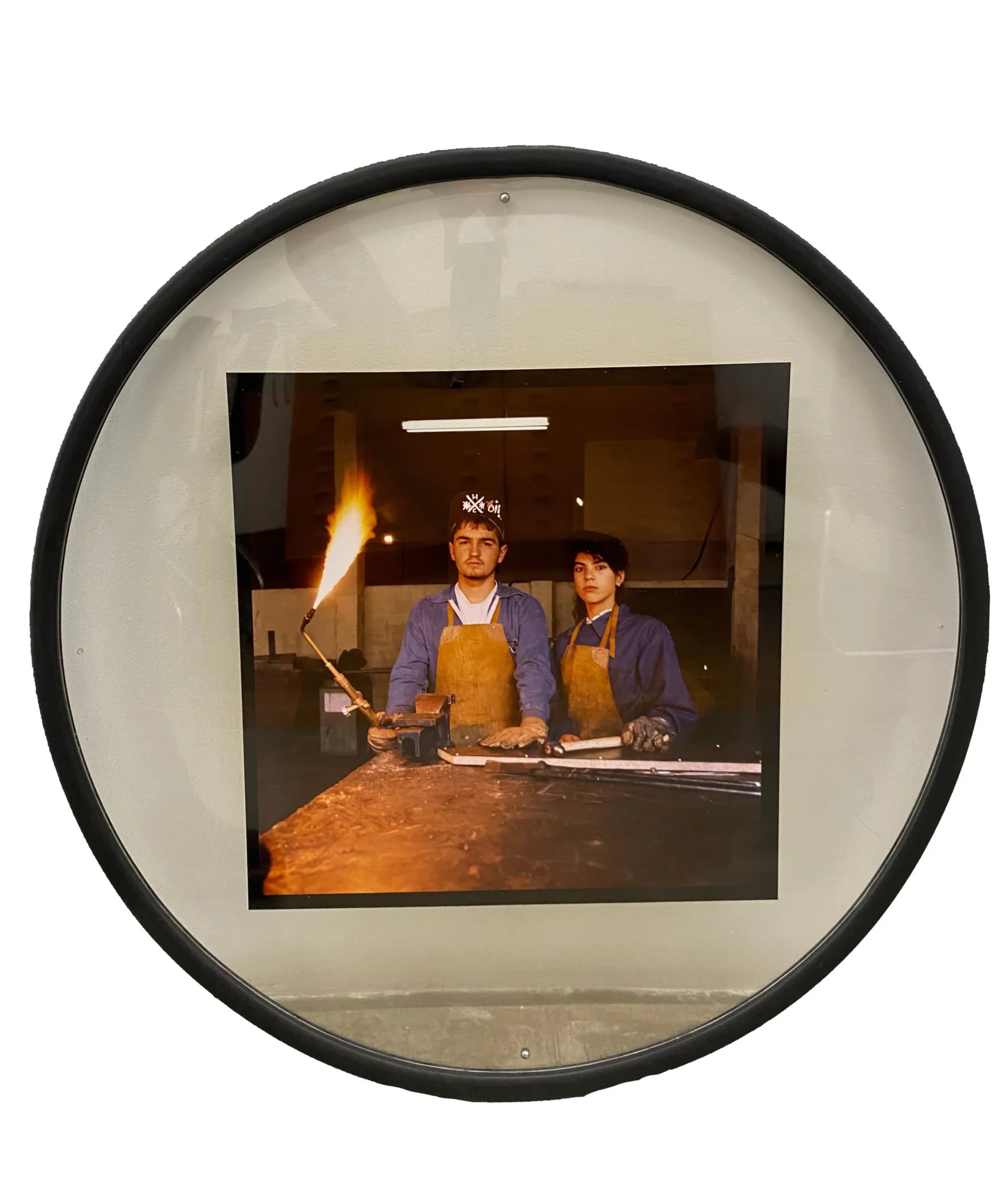
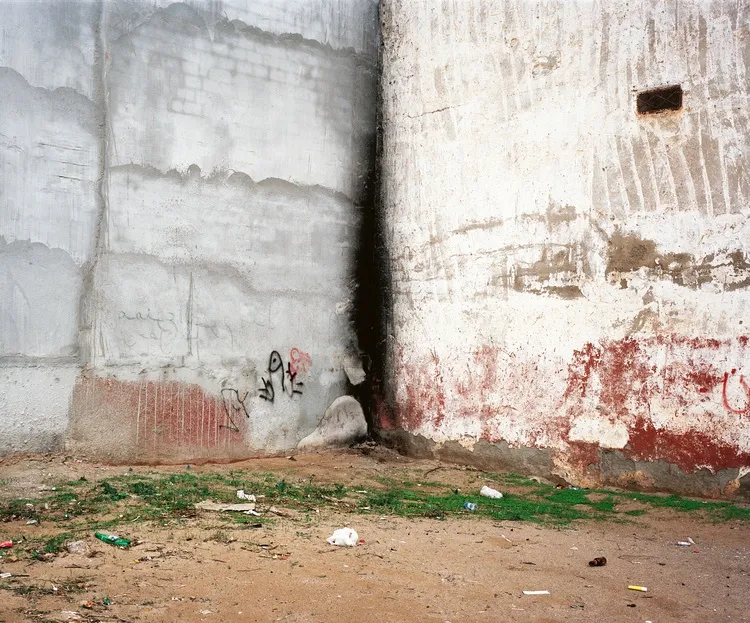
This exploration of the past is completed and revitalised through a dialogue with contemporary photography, embodied by Miguel Trillo, whose photographs from the 1980s connect naturally with the current visual narratives of Toni Amengual and Lúa Ribeira.
In short, an essential proposition for collectors seeking works in which historical archives and contemporary artistic practice mutually enrich one another.
With the support of: