
Lluís Hortalà
BIO
Lluís Hortalà (Olot, 1959)
Although largely self-taught, Lluís Hortalà studied at the Sant Jordi School of Fine Arts in Barcelona between 1977 and 1978. From his earliest works, he has developed a practice in which sculpture, drawing, painting, and installation converge around an ongoing investigation into perception, representation, and the mechanisms that shape the way we see.
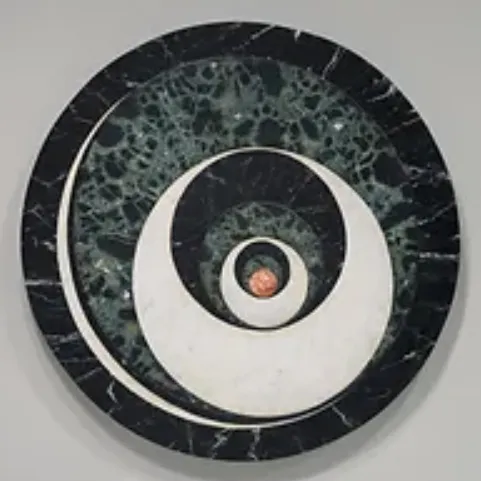
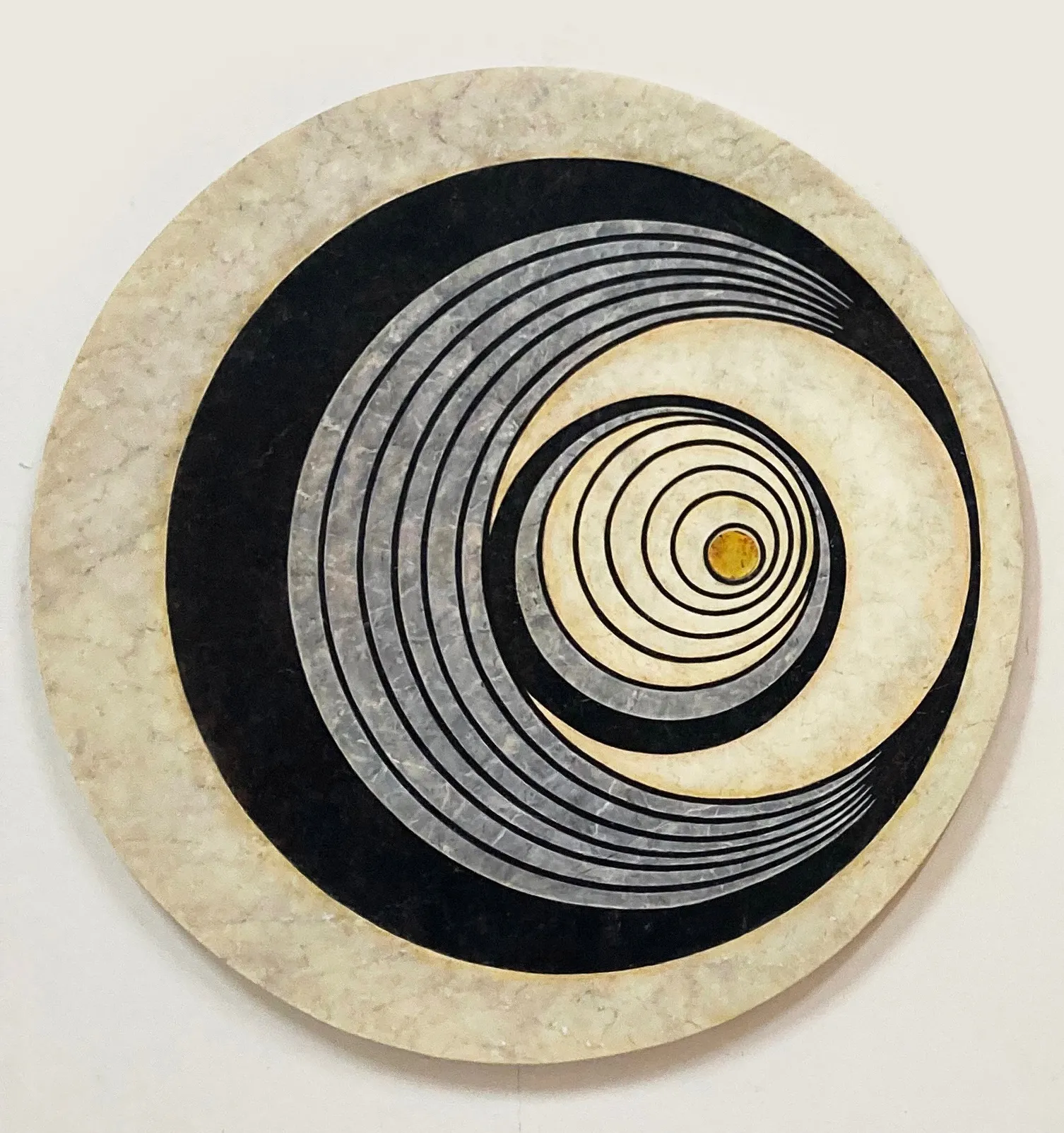
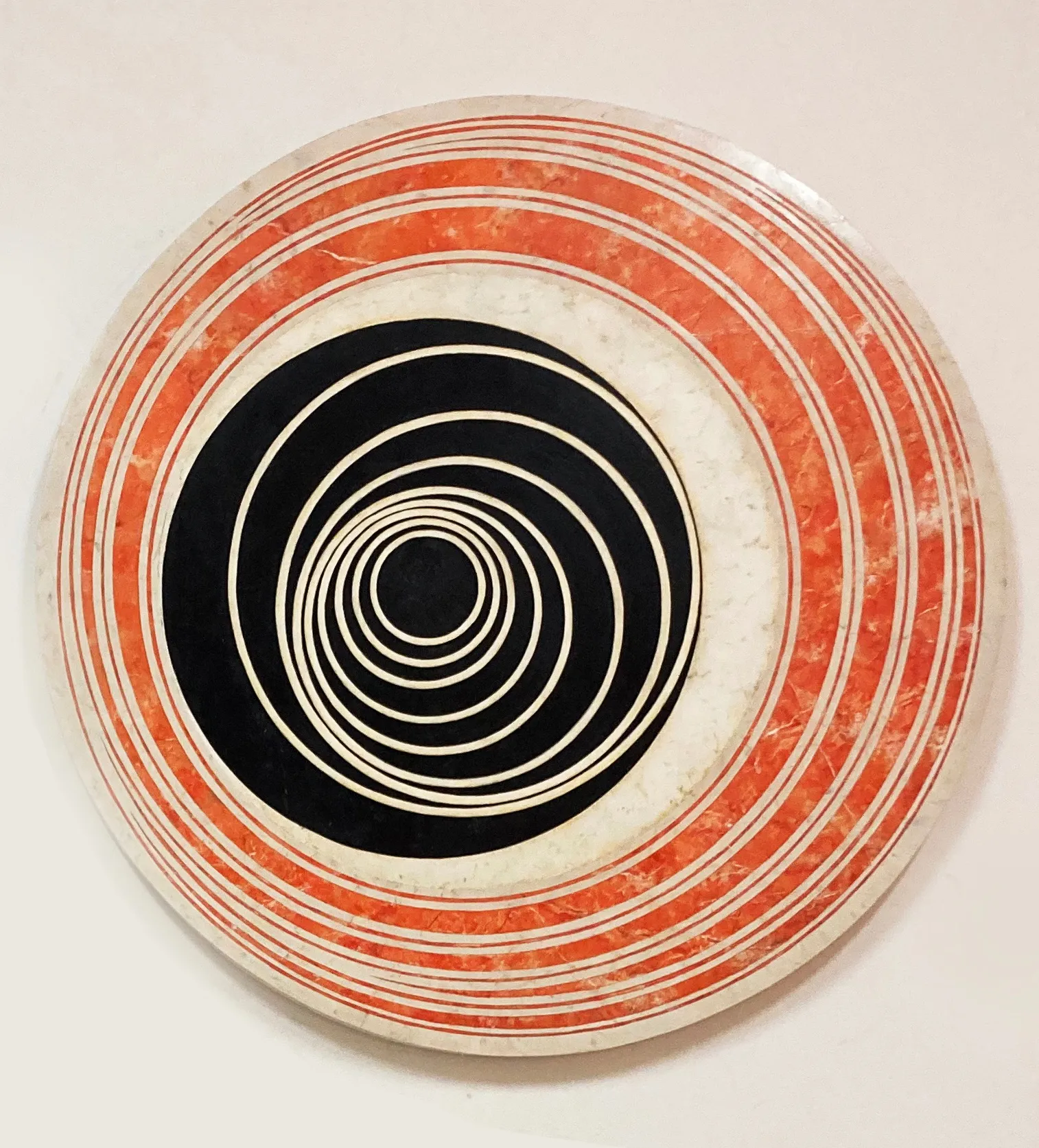
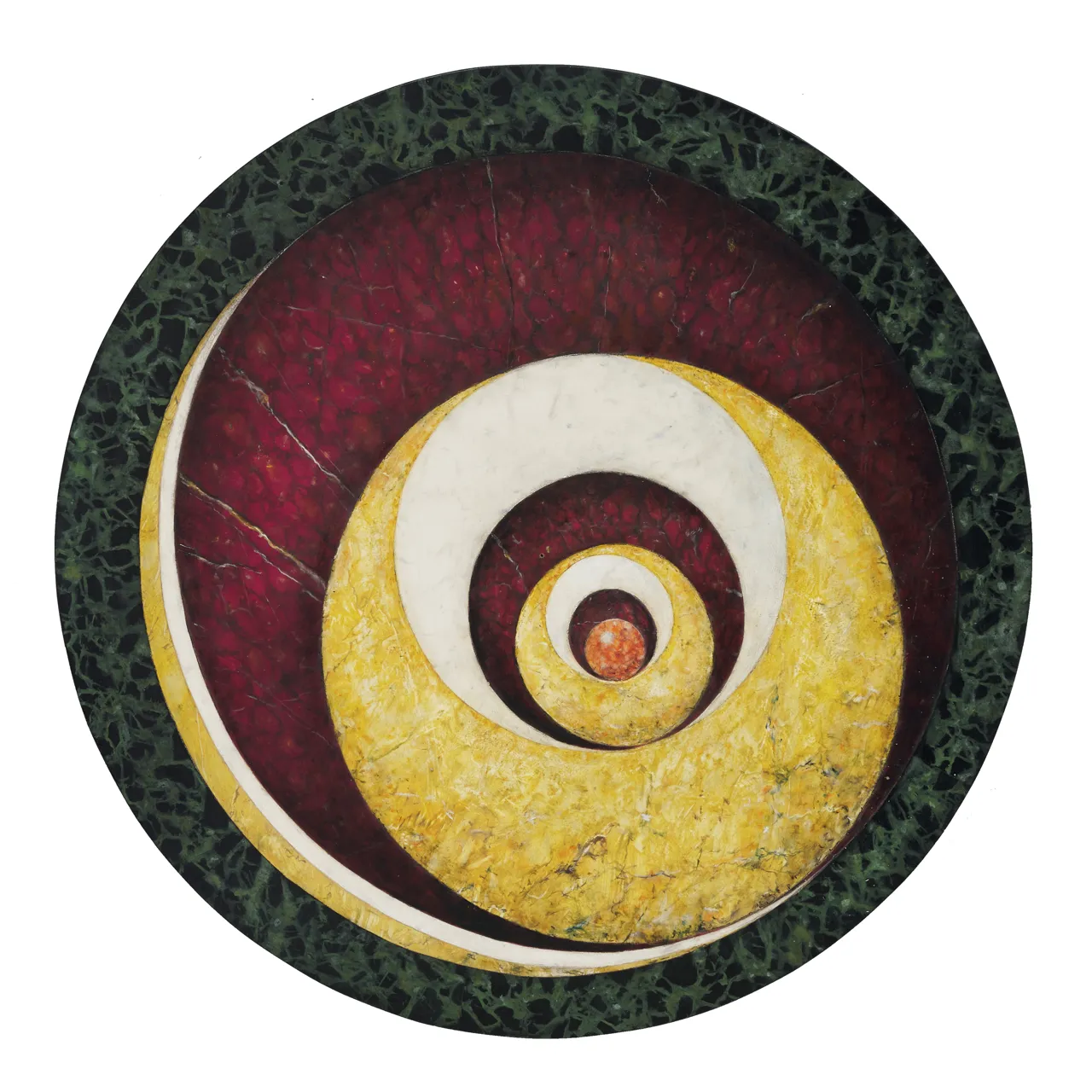
His exhibition Opac, presented in 1991 at Espai Montcada, Fundació ”la Caixa”, Barcelona, marked the beginning of a series of works known as “topographies of vision”: circular wall-mounted sculptures made of polyester-coated wood. His work subsequently came to focus on projects related to architecture and, later, on the structures of the body. In parallel, he also began experimenting with ceramics.
Between 1995 and 2001, he lived and worked in London, where he was based at Delfina Studio. During this period, he further developed his interest in landscape, light-based installations, drawing, and sculpture. He later began a series of works closely connected to his own experiences as a mountaineer, a line of research he continued until 2013.
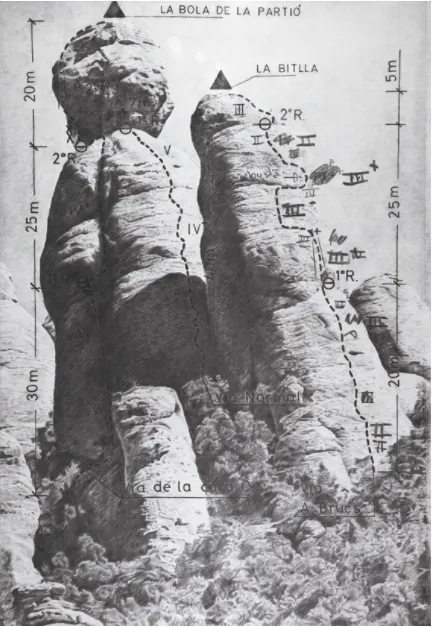
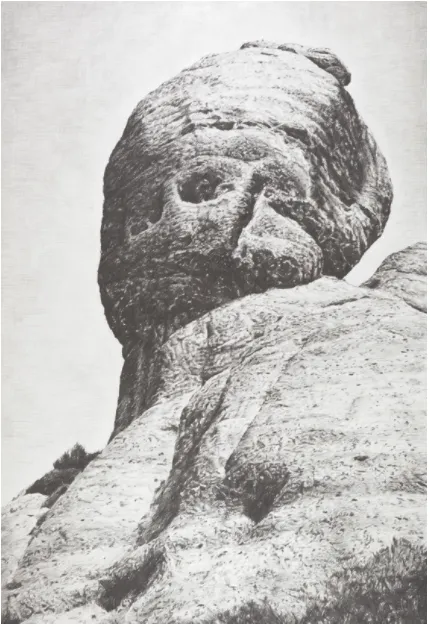
Lluís Hortalà works primarily in sculpture and large-scale drawing. From 1999 onwards, mountains became a central and recurring motif in his practice. The Alpine theme emerged from his personal experience as a mountaineer and, above all, from an expedition to Everest in which he took part. This experience led him to explore the iconography of the mountain, as well as the rock formations of Montserrat, likewise closely connected to his own personal experience.
Conceptually, this body of work reflects on the parallel between the experience of climbing mountains and the contemplative journey towards an inner landscape, understood as a metaphor for personal growth. Hortalà thus draws a correspondence between the dangers and difficulties of climbing and the dangers—or temptations—associated with spiritual growth. The mountain ceases to be merely a represented landscape and becomes a physical, mental, and symbolic territory in which memory, experience, effort, limits, and transformation converge.
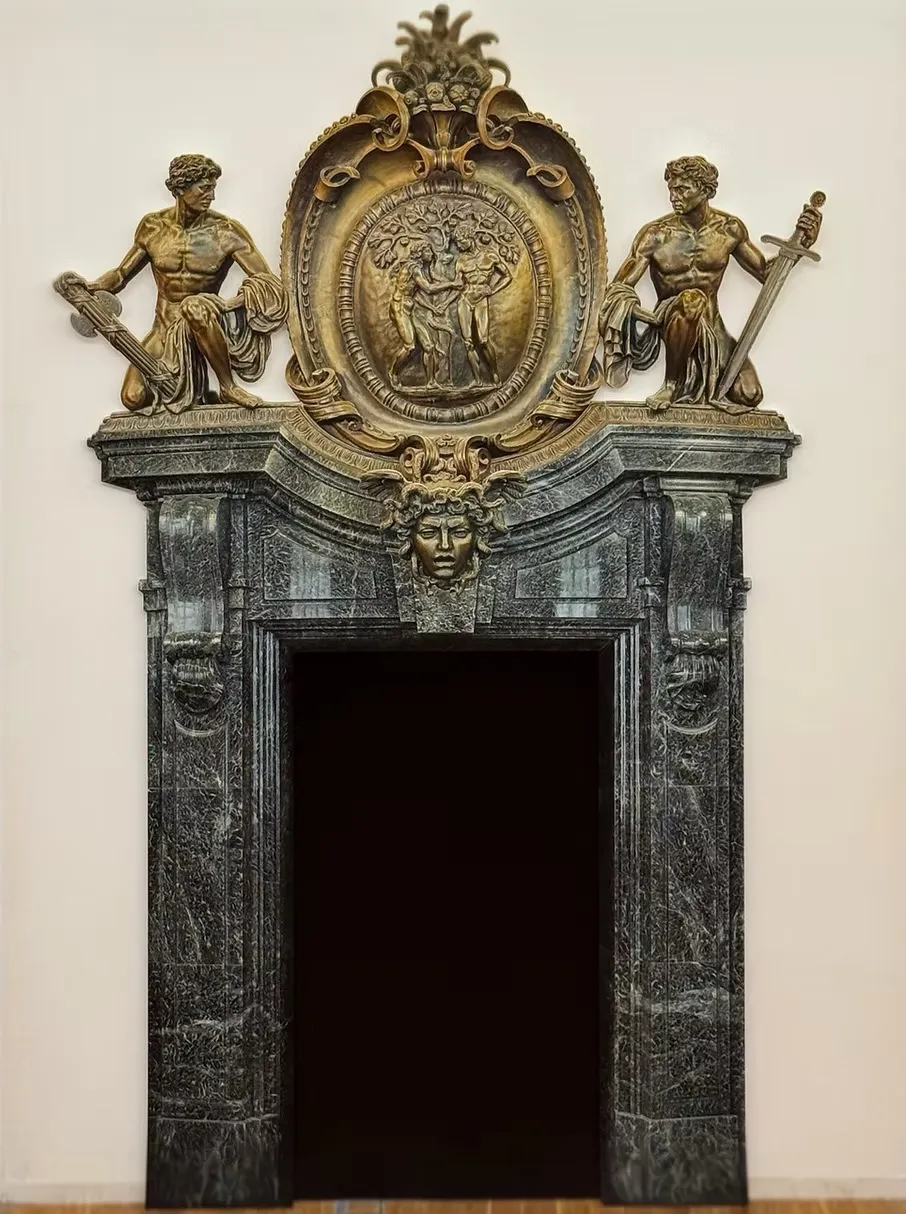
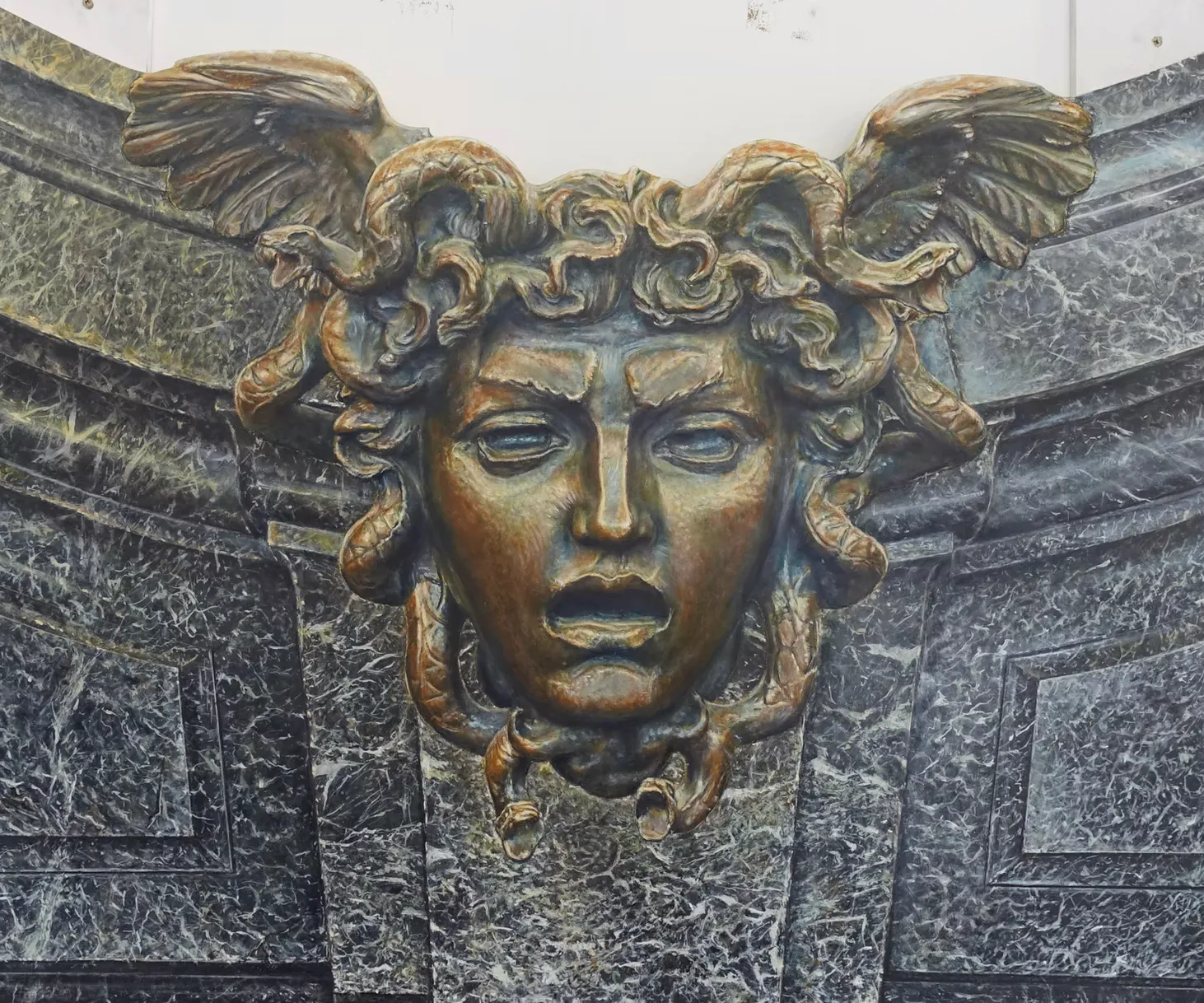
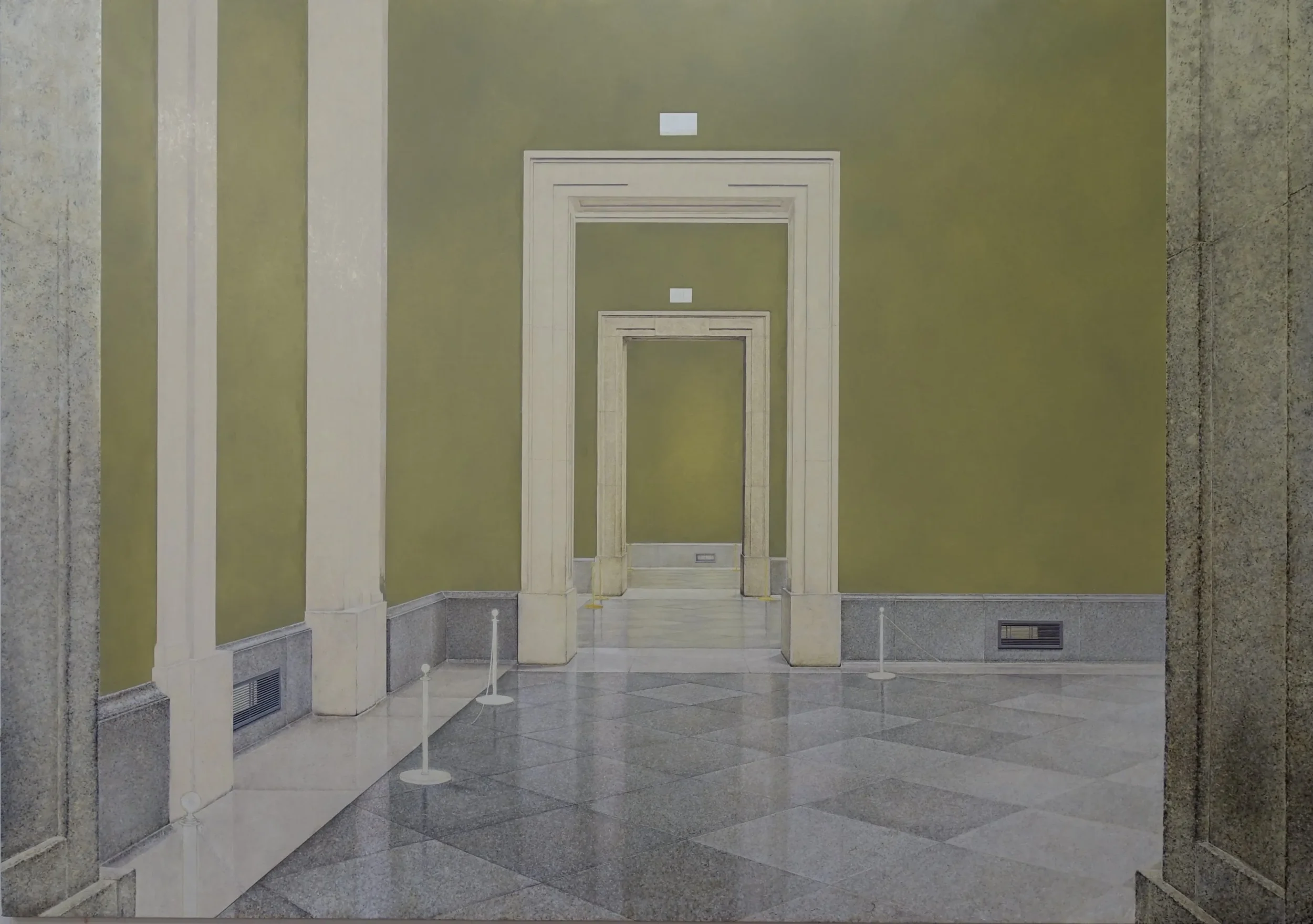
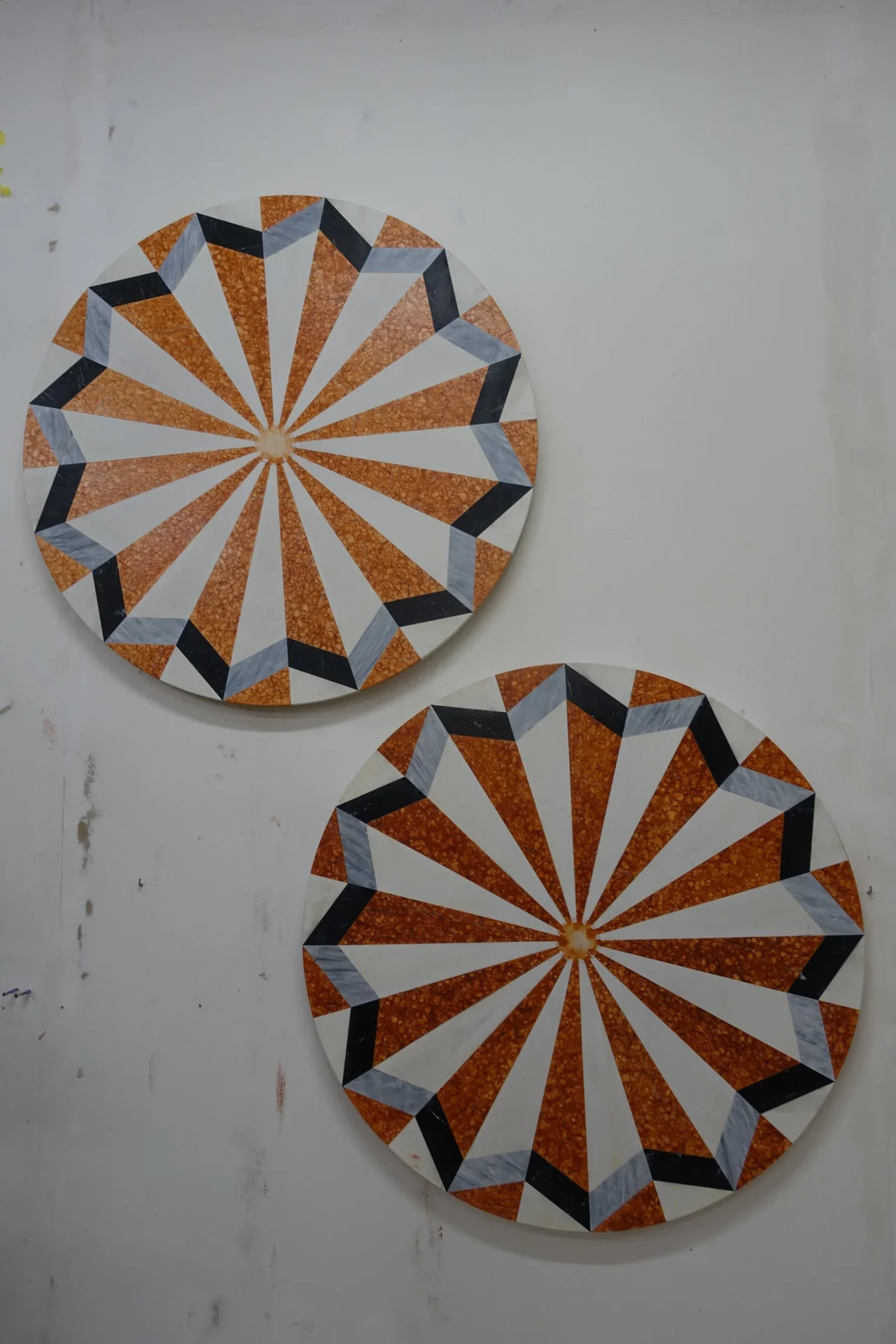
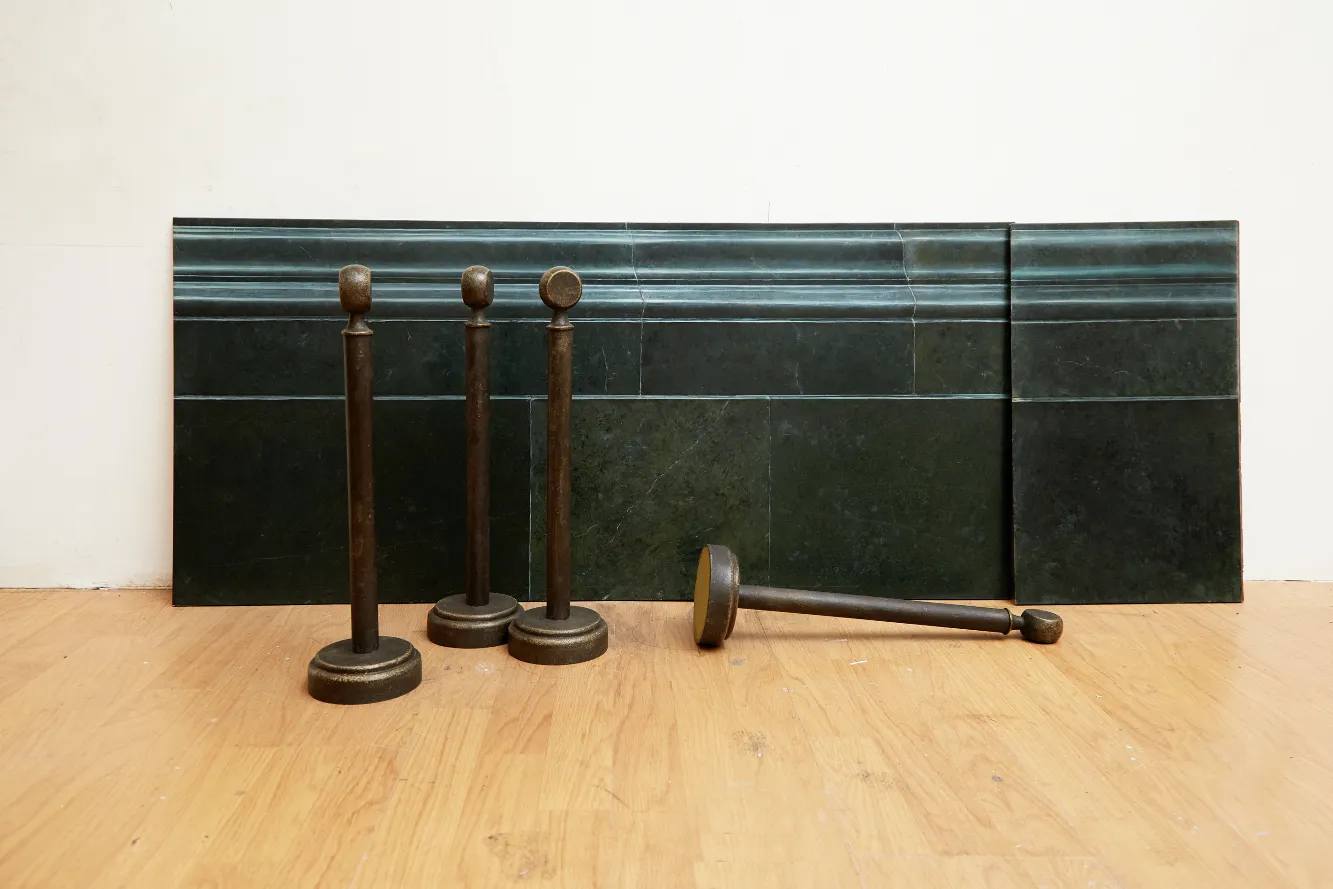
Later, between 2014 and 2015, he attended the École Van der Kelen-Logelain in Brussels, where he studied traditional decorative painting techniques, particularly the imitation of marble and wood and procedures based on trompe-l’œil. This training marked a turning point in his career, allowing him to distance himself from his earlier work and embark on a new line of research in which technical virtuosity and visual deception became conceptual tools for critically examining the mechanisms of representation, knowledge, and power.
From this point onwards, his work delves more deeply into the ways in which certain institutions, architectures, and images construct and legitimise narratives about history, culture, and art. Museums, palaces, and judicial spaces cease to function merely as settings and instead become central elements in a reflection on institutional authority and on the ways in which such structures shape our perception and our relationship with the past.
His aim remains to capture the viewer’s gaze and draw it into a web of tensions and distortions, bringing into play a kind of archaeology of the scopic regime through the physical experience of the eye itself. Trompe-l’œil allows Hortalà to return the reflection on art and visuality to the realm of bodily experience through a series of objects and images that repeatedly deceive the eye, even when the viewer believes they have already uncovered the illusion.
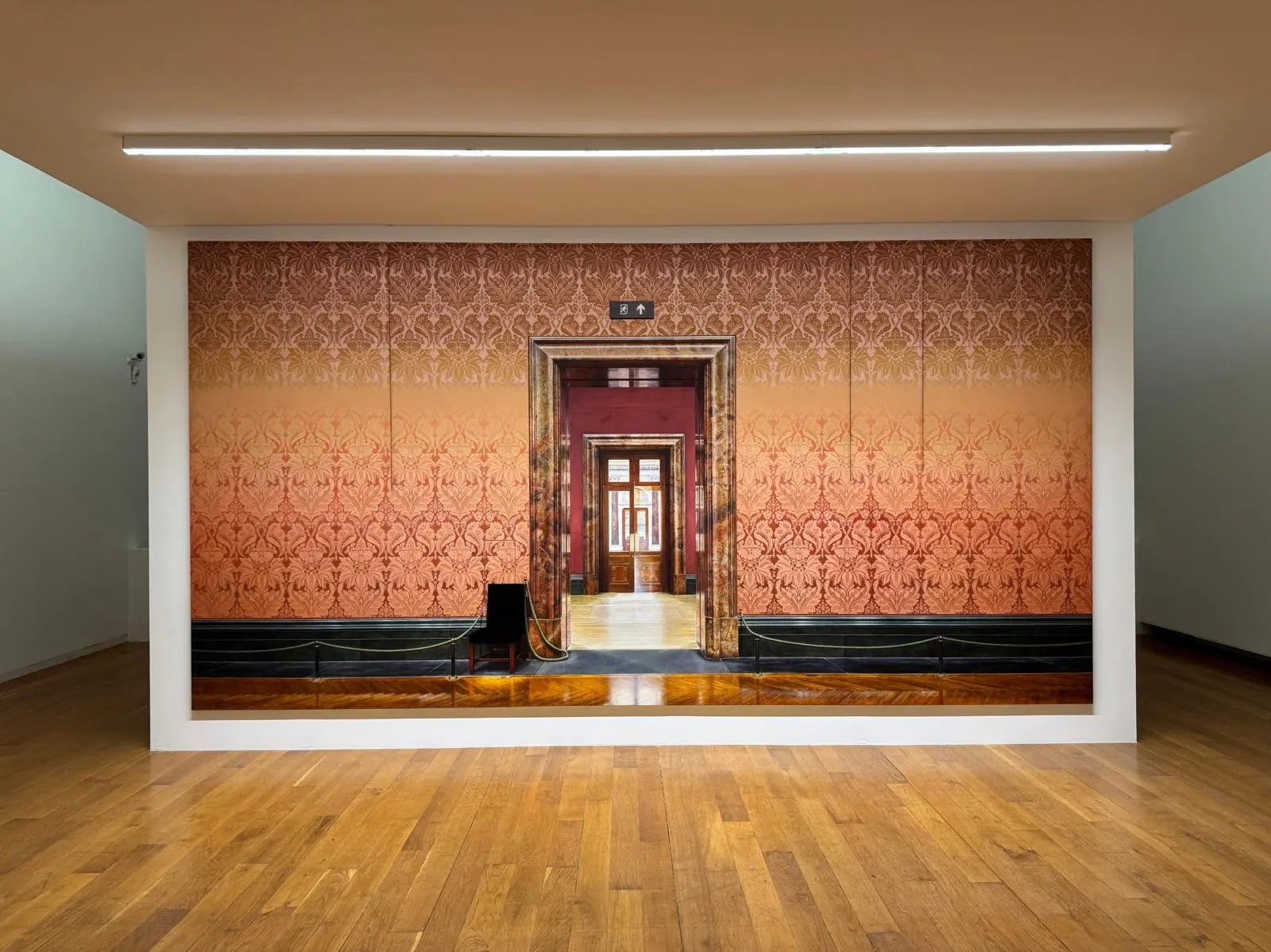
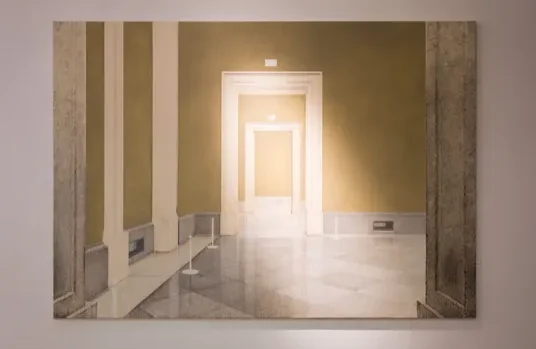
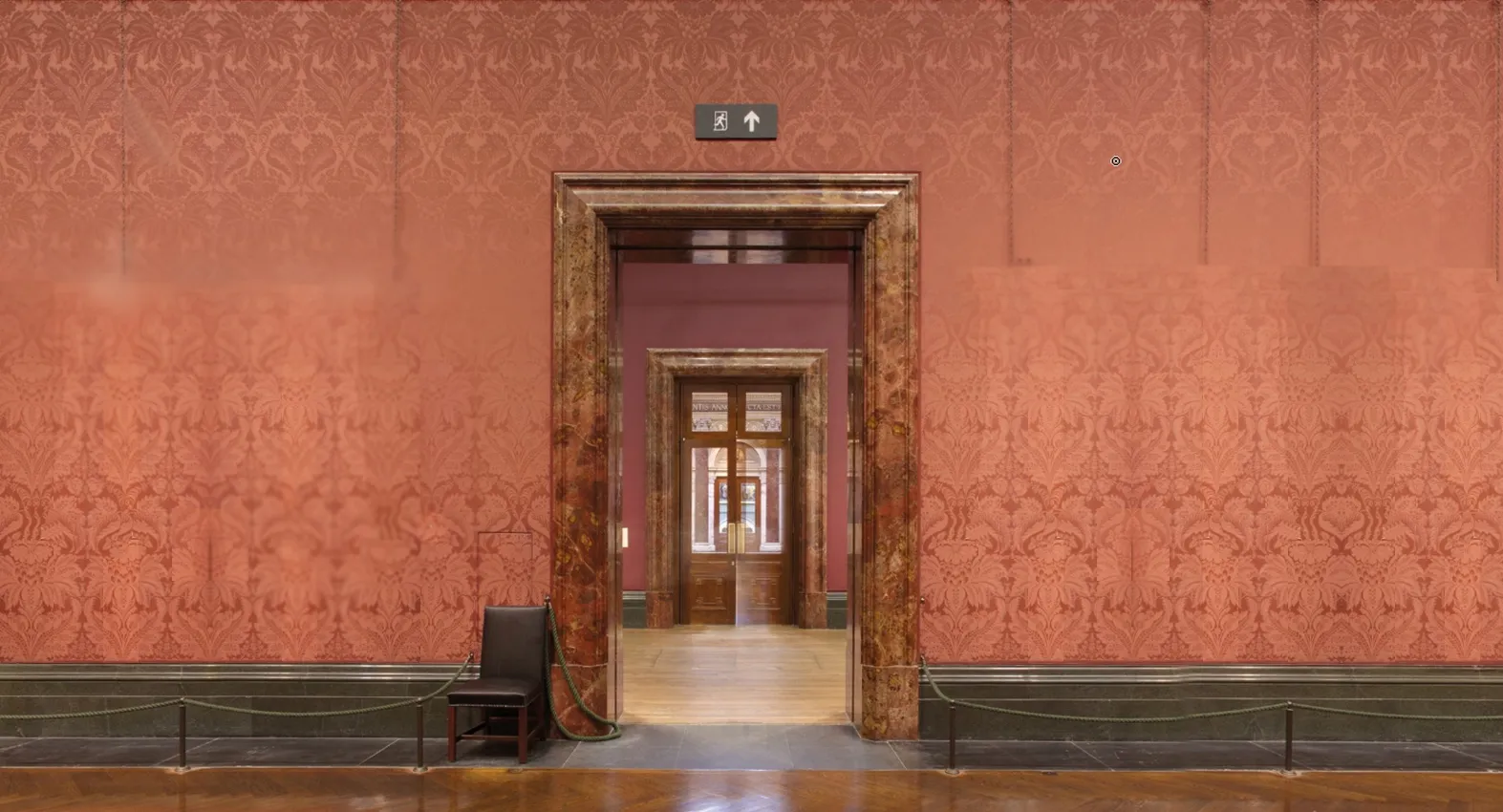
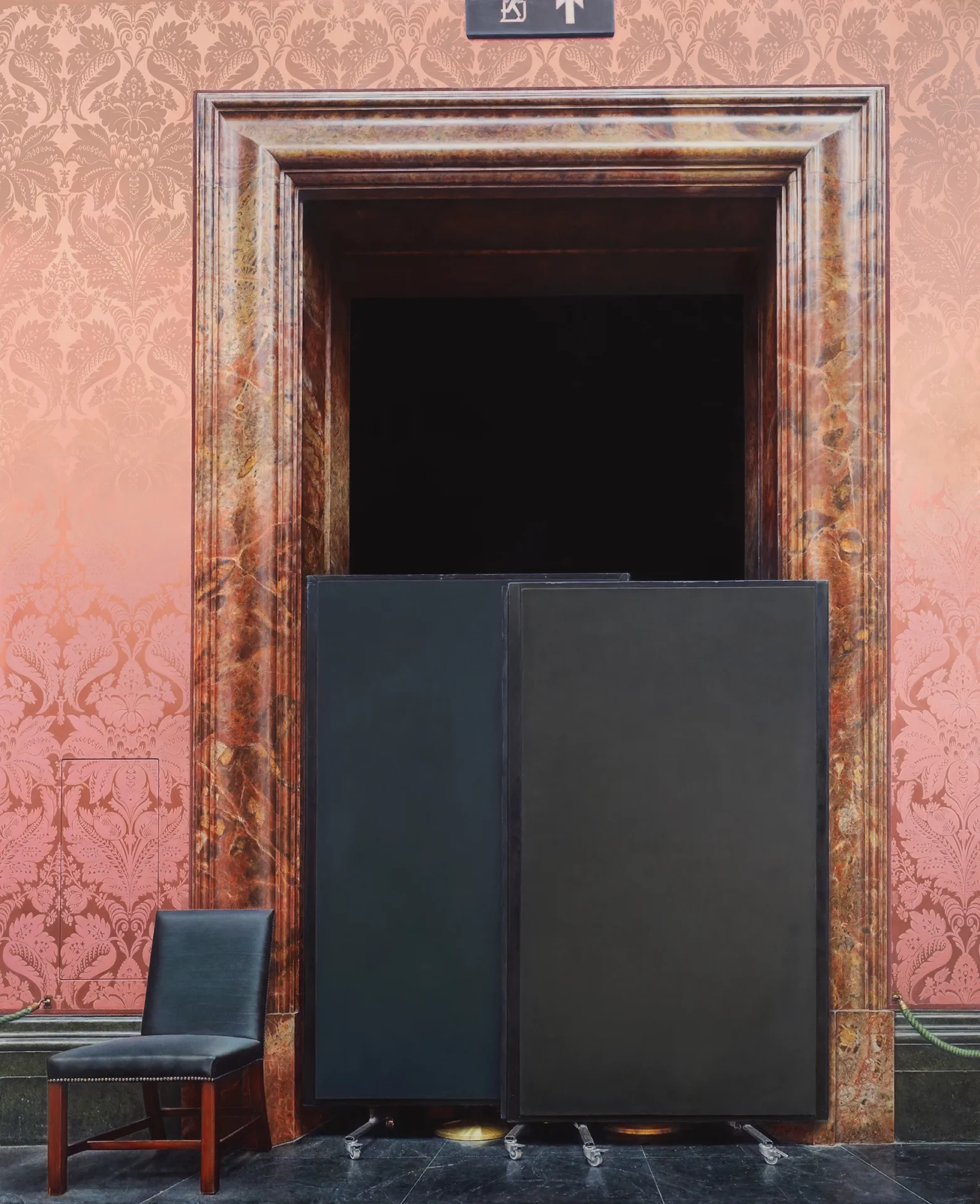
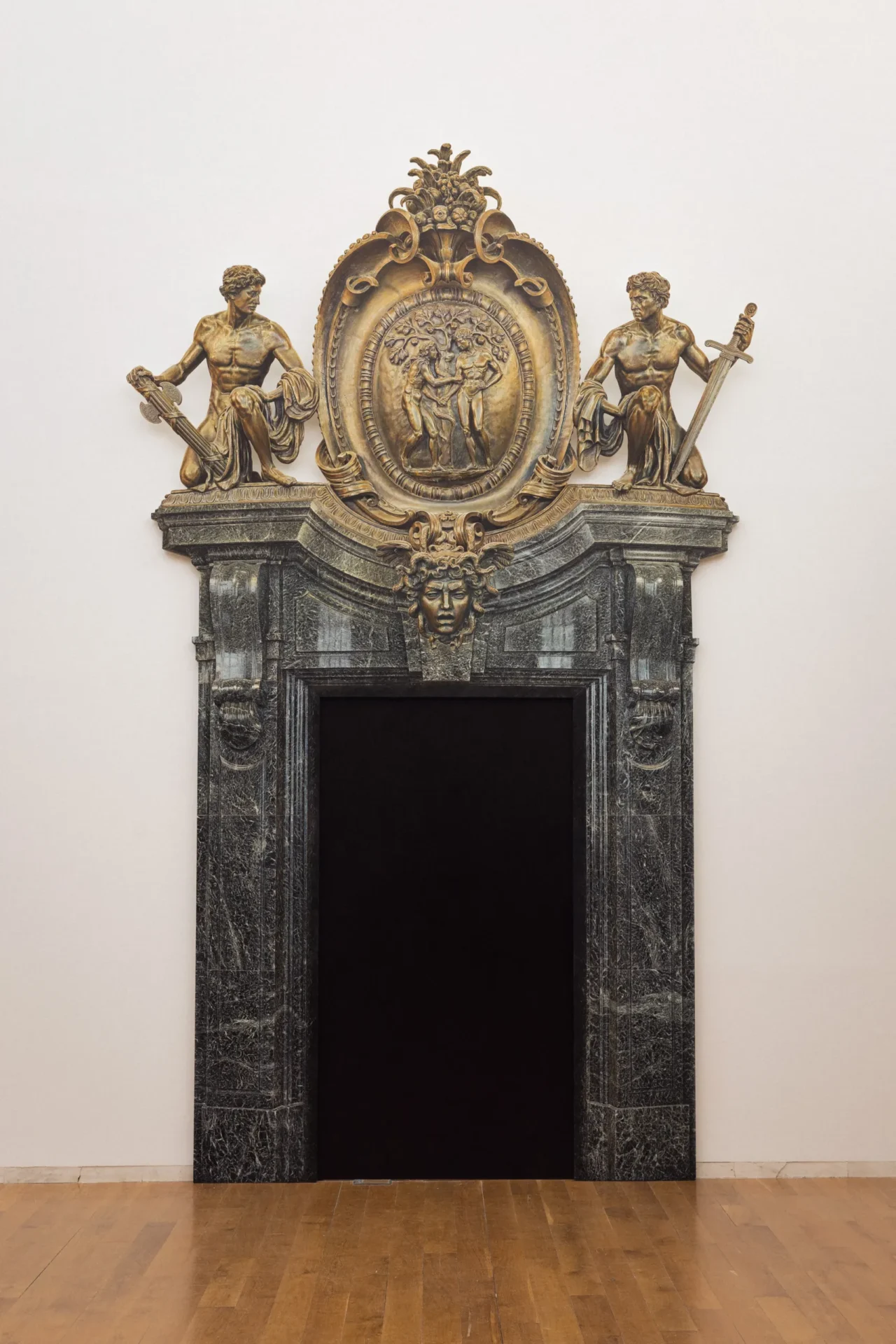
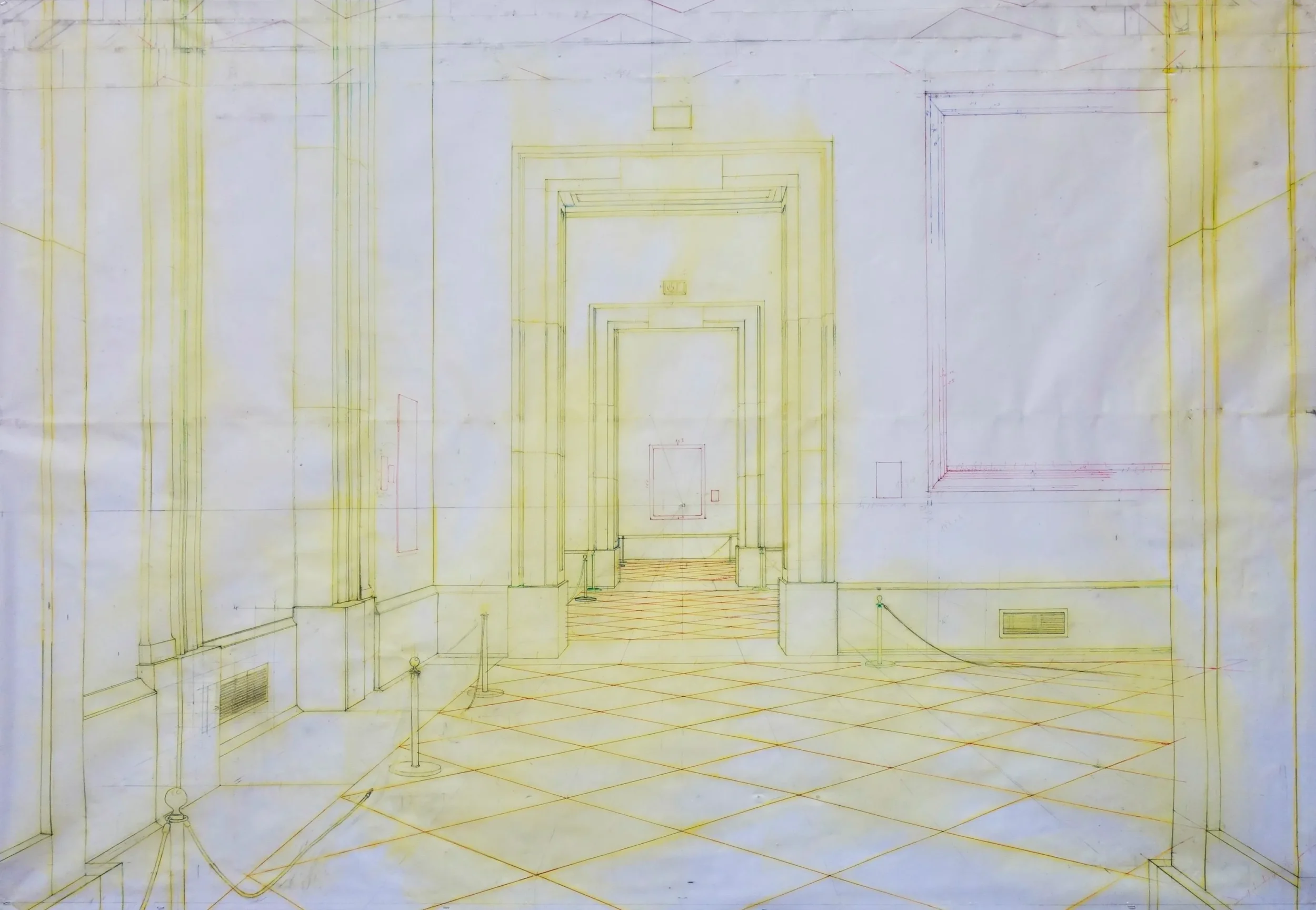
This line of research has developed through projects such as Guillotina, begun around 2017, and later through Ante la Ley and his works related to the Nuremberg trials. In these projects, Hortalà extends his reflection on representation to encompass questions of architecture, history, justice, and structures of power. Spaces associated with institutions such as the Palace of Versailles, the Museo del Prado, the National Gallery in London, and the historic Courtroom 600 at the Palace of Justice in Nuremberg are transformed through the language of painting and trompe-l’œil.
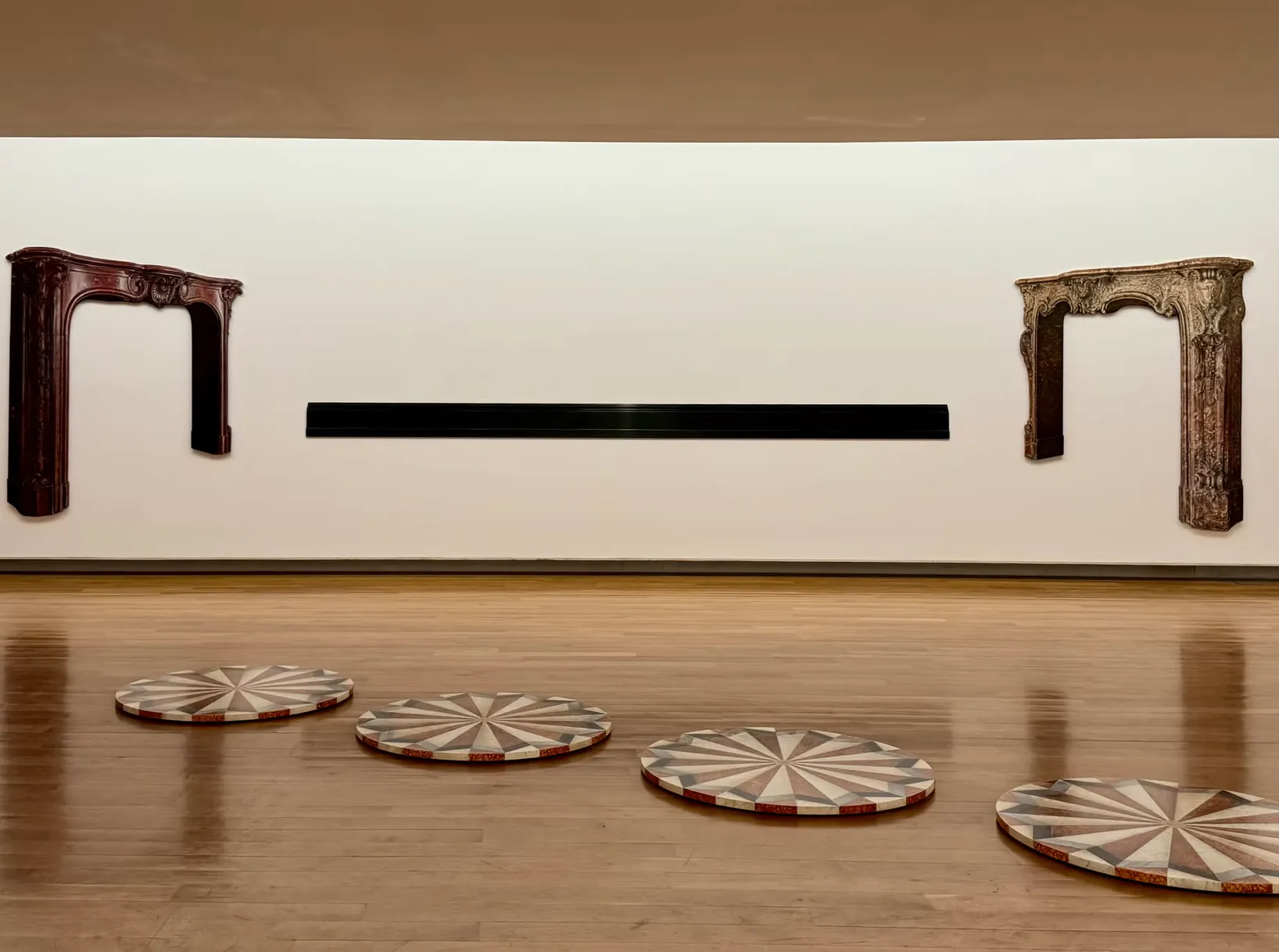
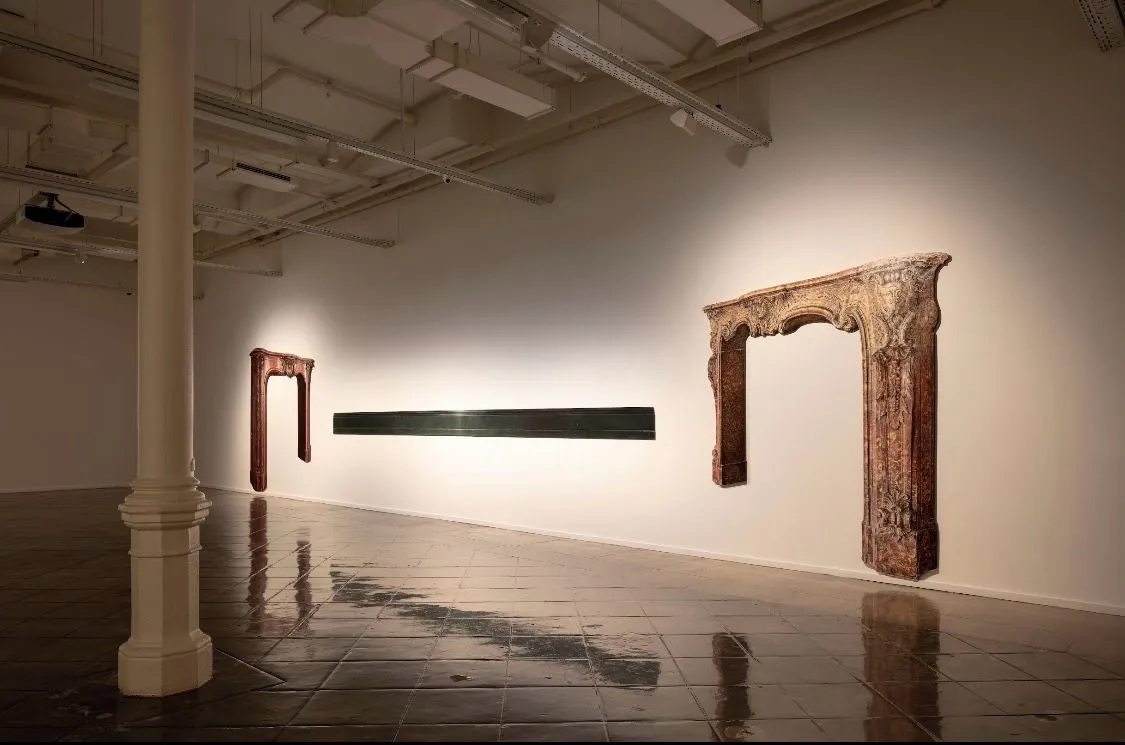
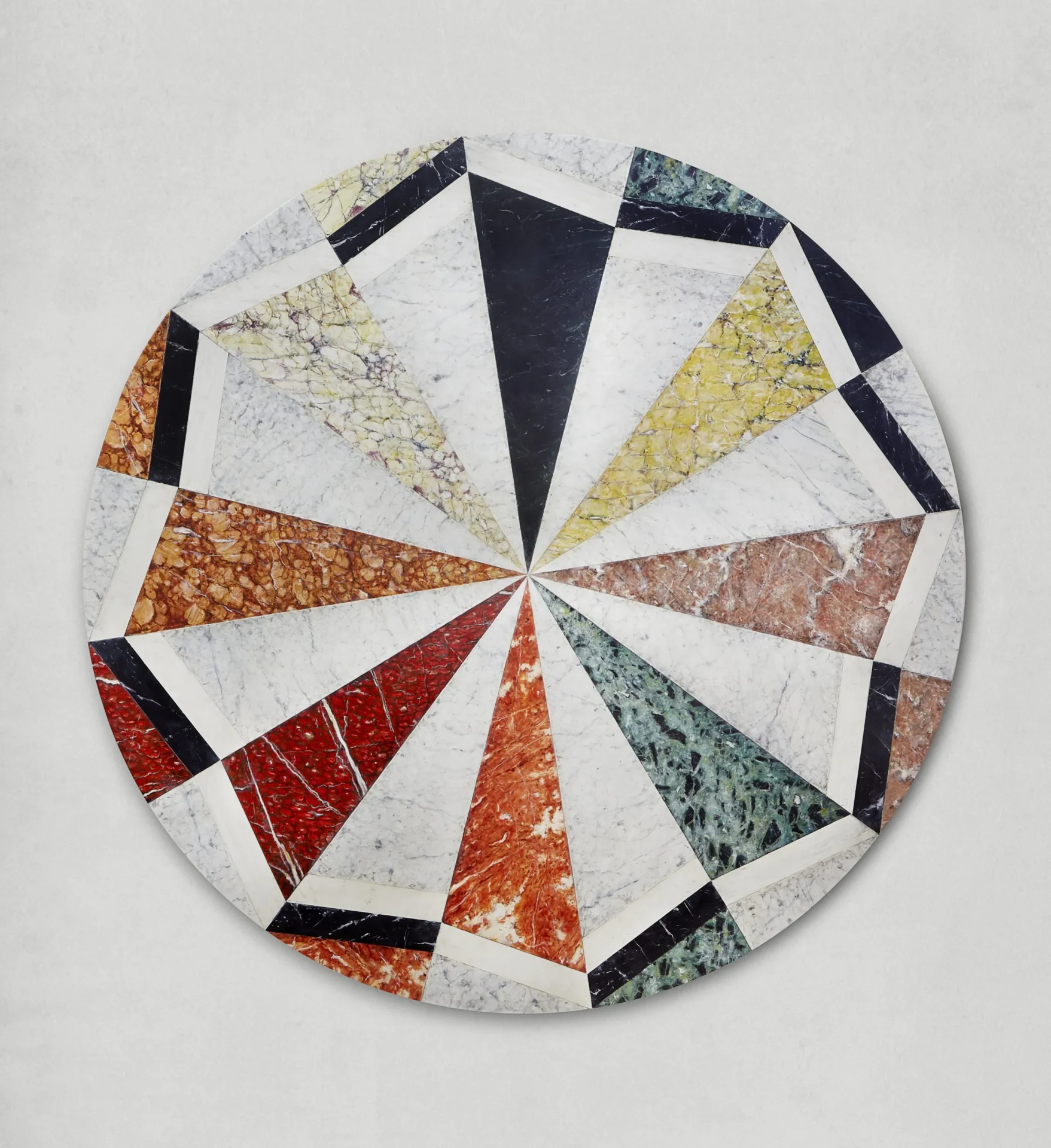
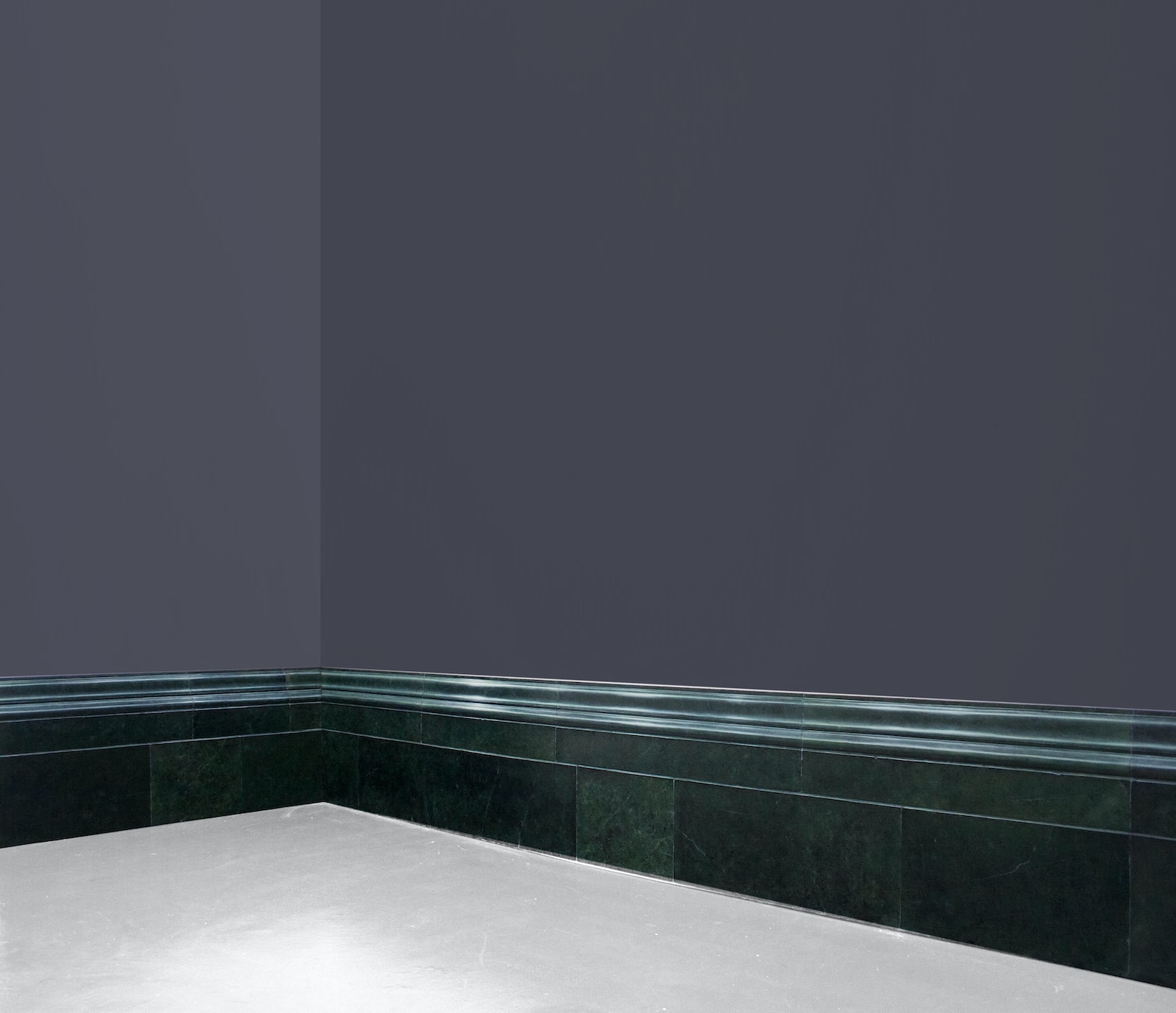
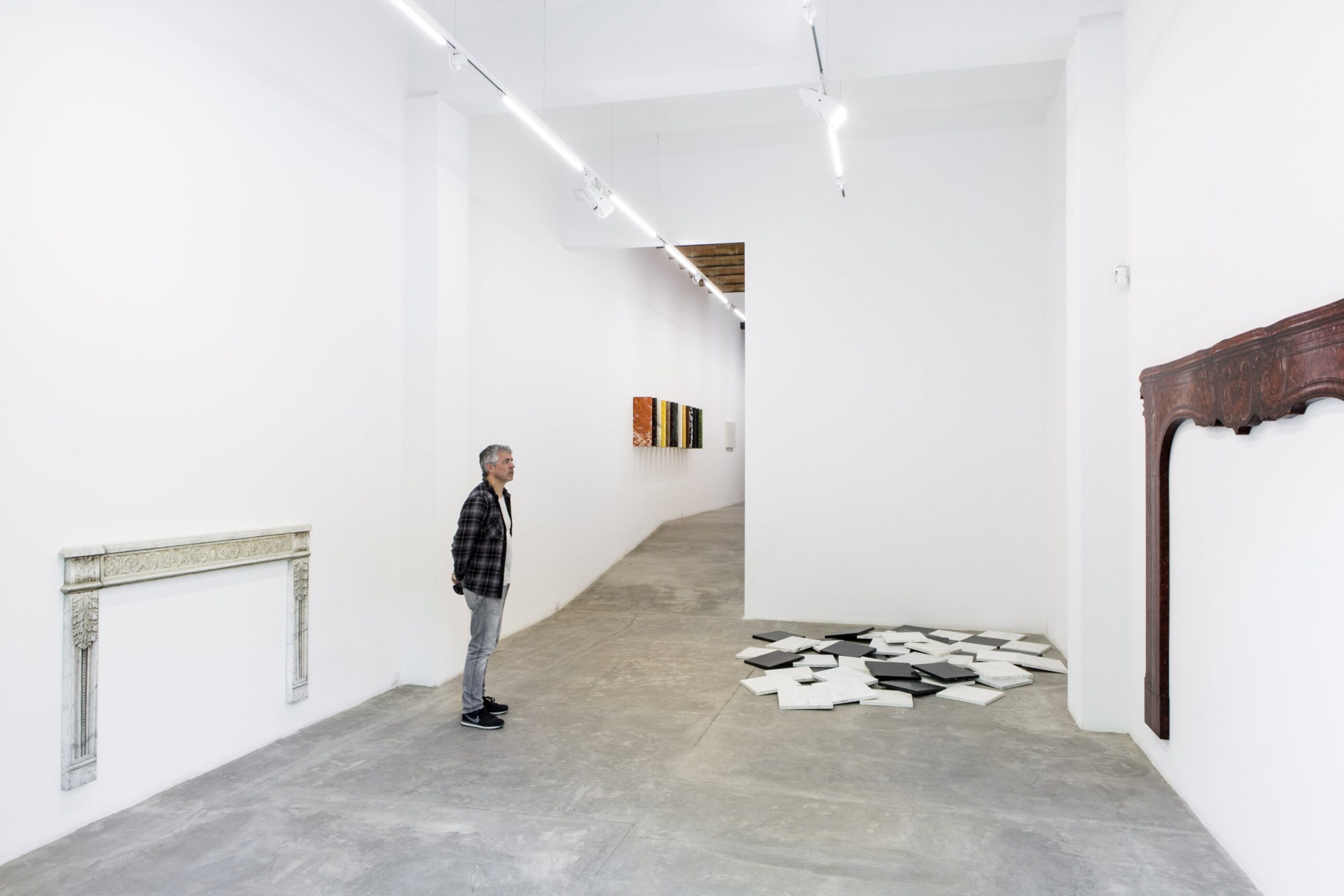
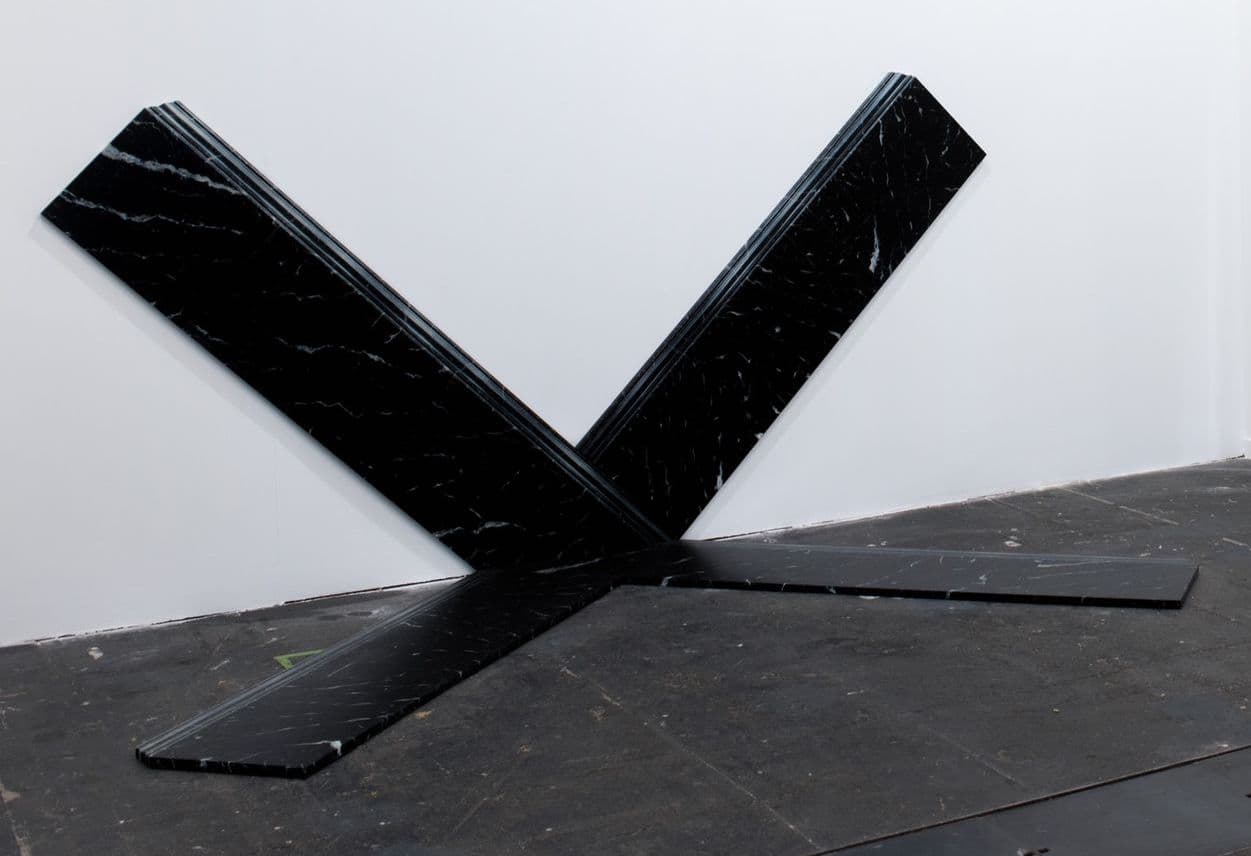
Doors, walls, thresholds, marble surfaces, mouldings, and ornamental elements thus take on a new conceptual dimension. The highly realistic appearance of these surfaces and materials places the viewer in a constant state of ambiguity between object and image, reality and representation. Beneath the technical mastery of trompe-l’œil, however, a more complex narrative emerges—one that questions the history of painting and culture, as well as the social and institutional systems that determine what we see and how we interpret it.
In 2025, the Fundació Vila Casas presented Posar el dit a l’ull / Poner el dedo en el ojo at Espais Volart in Barcelona. Curated by Teresa Grandas, the exhibition brought together works from different stages of Hortalà’s career, establishing connections between his investigations into perception, appearance, deception, the replication of reality, and the limits of trompe-l’œil. The exhibition also explored the ways in which Hortalà draws on resources from the pictorial tradition to question the structures underpinning certain models of thought and power.
En 2026, el Centro Galego de Arte Contemporánea (CGAC) de Santiago de Compostela presentó Ante la Ley, comisariada por Santiago Olmo. La exposición reunió una parte fundamental de sus investigaciones recientes y profundizó en el uso del trampantojo como estrategia para reflexionar sobre la historia, la pintura, la cultura, la justicia y las estructuras de autoridad. En estas obras, la extrema precisión técnica y la reproducción mimética de texturas y superficies funcionan como punto de partida de una red de significados que trasciende el virtuosismo pictórico.
Throughout his career, Hortalà has thus developed a practice in constant transformation, from the early “topographies of vision” and his investigations into architecture and the body, to Alpine landscapes, large-scale drawing and sculpture, and, later, trompe-l’œil and his analysis of the relationships between image, institution, history, and power. The physical experience of looking remains one of the constant threads running through a body of work that questions the boundaries between the visible and the real, and between representation and knowledge.
His work is held in a number of prestigious collections, including those of MACBA – Museu d’Art Contemporani de Barcelona, the Soler Villa Collection in Valencia, the Fundació ”la Caixa” Collection in Barcelona, ARTIUM in Vitoria-Gasteiz, Fundación Banesto in Madrid, Fundación Marcelino Botín in Santander, the Trust Foundation in Washington, D.C., and the Museo Nacional Centro de Arte Reina Sofía in Madrid. His work is also represented in the AIP Collection in Lisbon, the Banco Sabadell Collection in Barcelona, the Col·lecció Per Amor a l’Art in Valencia, the Fundació Vila Casas Collection in Barcelona, the Norman Foster Collection, and the Delfina Collection in London.
Artist’s website
Selected solo exhibitions
- 2026 Ante la Ley, Centro Galego de Arte Contemporánea (CGAC), Santiago de Compostela.
- 2025 Posar el dit a l’ull / Poner el dedo en el ojo, Espais Volart, Fundació Vila Casas, Barcelona.
- 2023 Art Song. The Awaiting Plinth , Museo Nacional del Prado, Madrid.
- 2022 Ante la Ley hay un guardián, Museo Nacional Thyssen-Bornemisza, Madrid.
- 2019 Guillotina, TeclaSala, Centre d’Art de l’Hospitalet, L’Hospitalet de Llobregat.
- 2018 Encore un moment, Monsieur le bourreau, encore un moment, F2 Galería, Madrid.
- 2016 Il y a bien du monde aujourd’hui à Versailles, RocioSantaCruz, Barcelona.
- 2015 Las Tentaciones, Museu de Montserrat, Abadía de Montserrat, Barcelona.
- 2012 Lluís Hortalà, CDAN – Centro de Arte y Naturaleza, Fundación Beulas, Huesca.
- 2011 Exercitatori, Fundació Suñol, Barcelona.
- 2006 Aunque sea un instante, Galería Fúcares, Madrid.
- 2005 Cerámicas, Galeria Ratton, Lisboa.
- 2004 Without Still Life, Galería Fúcares, Madrid.
- 2004 Right Place, Wrong Time, Fundação Calouste Gulbenkian – Centro de Arte Moderna José de Azeredo Perdigão, Lisboa.
- 2003 Right Place, Wrong Time, Espai Zero1, Museu Comarcal de la Garrotxa, Olot.
- 2002 Thin Air, Blackspace, Galería Alejandro Sales, Barcelona.
- 2001 Ce sont les cimes, rien que les cimes, Galería Alejandro Sales, Barcelona.
- 2000 Lo que el abrazo abarca, Porta 33, Funchal, Madeira.
- 1998 Emma, Galería Alejandro Sales, Barcelona.
- 1996 Lluís Hortalà, Galería Antonio de Barnola, Barcelona.
- 1994 Lluís Hortalà, Galería Tomás March, Valencia.
- 1994 Lluís Hortalà, Galeria Alda Cortez, Lisboa.
- 1993 Lluís Hortalà, Galería Antonio de Barnola, Barcelona.
- 1993 Lluís Hortalà, Galería Fúcares, Madrid.
- 1991 Lluís Hortalà, Galería Fúcares, Almagro.
Selected Group Exhibitions
- 2026 La transición estética. España, 1960–2020 , Fundación Juan March, Madrid.
- 2026 ARCOmadrid 2026, RocioSantaCruz, Madrid.
- 2024 Obres de la Col·lecció Banc Sabadell, La Casa Fàbrica, Sabadell.
- 2023 Earth: A Retrospective (El Último Grito), Sala de Exposiciones SabadellHerrero, Oviedo.
- 2022 Hiperreal. El arte del trampantojo , Museo Nacional Thyssen-Bornemisza, Madrid.
- 2022 Horizonte y límite. Visiones del paisaje , CaixaForum València, Valencia.
- 2022 Una historia del arte reciente (1960–2020) II, Museu Fundación Juan March, Palma de Mallorca.
- 2021 ARCOmadrid 2021, RocioSantaCruz, Madrid.
- 2020 Paisaje interior, CDAN – Centro de Arte y Naturaleza, Fundación Beulas, Huesca.
- 2019 Simbiosis, Capilla del Hospital Real, Universidad de Granada, Granada.
- 2019 Studiolo XXI. Desenho e Afinidades , Fundação Eugénio de Almeida, Centro de Arte e Cultura, Évora.
- 2018 Palau de Casavells, Art Antiques Design Architecture, Girona.
- 2017 Caminar sobre el hielo. Épica y disfuncionalidad en la práctica artística , Arts Santa Mònica, Barcelona.
- 2017 Index Natura, CDAN – Centro de Arte y Naturaleza, Fundación Beulas, Huesca.
- 2016 Estancias. Una selección de obras de la Colección Banco Sabadell , Sala de Exposiciones SabadellHerrero, Oviedo.
- 2016 Yes I Can! Portrait de l’artiste au pouvoir , Centre d’Art Contemporain Walter Benjamin, Perpiñán.
- 2015 VII Bienal de Jafre, Jafre, Girona.
- 2014 Protocolo abierto, La Scala Showroom, Sant Martí Vell, Girona.
- 2013 Moving. Norman Foster on Art , Carré d’Art – Musée d’Art Contemporain de Nîmes, Nîmes.
- 2011 Colección CAM de Arte Contemporáneo, Sala Municipal de Exposiciones de la Lonja del Pescado, Alicante.
- 2008 No más héroes. La Colección VIII , ARTIUM, Centro-Museo Vasco de Arte Contemporáneo, Vitoria-Gasteiz.
- 1994 Arte español de los 80 y 90, Museo Nacional Centro de Arte Reina Sofía, Madrid.
- 1992 Confrontaciones, Palacio de Velázquez, Madrid.
Collections
- Colección Soler Villa, Valencia
- Colección Fundació ‘La Caixa’, Barcelona
- ARTIUM, Centro-Museo Vasco de Arte Contemporáneo, Vitoria-Gasteiz
- Fundación Banesto, Madrid
- Fundación Marcelino Botín, Santander
- Trust Foundation, Washington DC
- Museo Nacional Centro de Arte Reina Sofía, Madrid
- Colección AIP, Lisboa
- Delfina Studios, London
- Colección DKV
- Colecció Banc Sabadell, Barcelona
- Fundación Banesto, Madrid
- Fundació Vila Casas, Barcelona
- Colección Norman Foster
Press:
- 2026 Ante la ley de la mirada: Lluís Hortalà en el CGAC. Bonart. 01.03.2026.
- 2026 El CGAC explora los espacios como reflejo de las tensiones históricas. La Voz de Galicia. Tamara Montero. 28.02.2026.
- 2026 El CGAC inaugura «Ante a Lei», la nueva exposición de Lluís Hortalà. Diario Luso-Galaico. 27.02.2026.
- 2025 Lluís Hortalà: las paradojas de la realidad. Bonart. Carles Toribio. 24.02.2025.
- 2025 Cuando el arte contradice los ojos. La Vanguardia. 07/02/2024 Carlota Zulueta. 21.02.2025.
- 2025 Marbre, Montserrat i un joc de mirades: Hortalà estrena «Posar el dit a l’ull». El Temps. Laura Tapiolas Fàbregas. 18.02.2025.
- 2025 Lluís Hortalà reflexiona sobre la apariencia, el engaño y los límites del «trompe-l’œil». El Periódico. Guillem Roset. 17.02.2025.
- 2022 Cuando la pintura nos tiende la mano y otras trampas visuales, en el Museo Thyssen. El Cultural. Elena Vozmediano. 02.04.2022.
- 2022 El arte del engaño llega al Thyssen. La Razón. Javier Ors. 16.03.2022.
- 2016 Mármol y poder. El Periódico. Ramón de España. 16.04.2016.












Add a piece to tour collection ↓
No results found.
Lluís Hortalà, Making of ‘Ante la Ley’ (Spanish room. “Before the Law”)
A short video made by ©Adolf Alcañiz about the making of Lluis Hortalà’s “Spanish room. Before the Law. (Ante la Ley)”.
20 de agosto de 2021