SWAB 2026
It is possible that the eyes now reading these words have already been invited on another occasion. If not, let me welcome you.
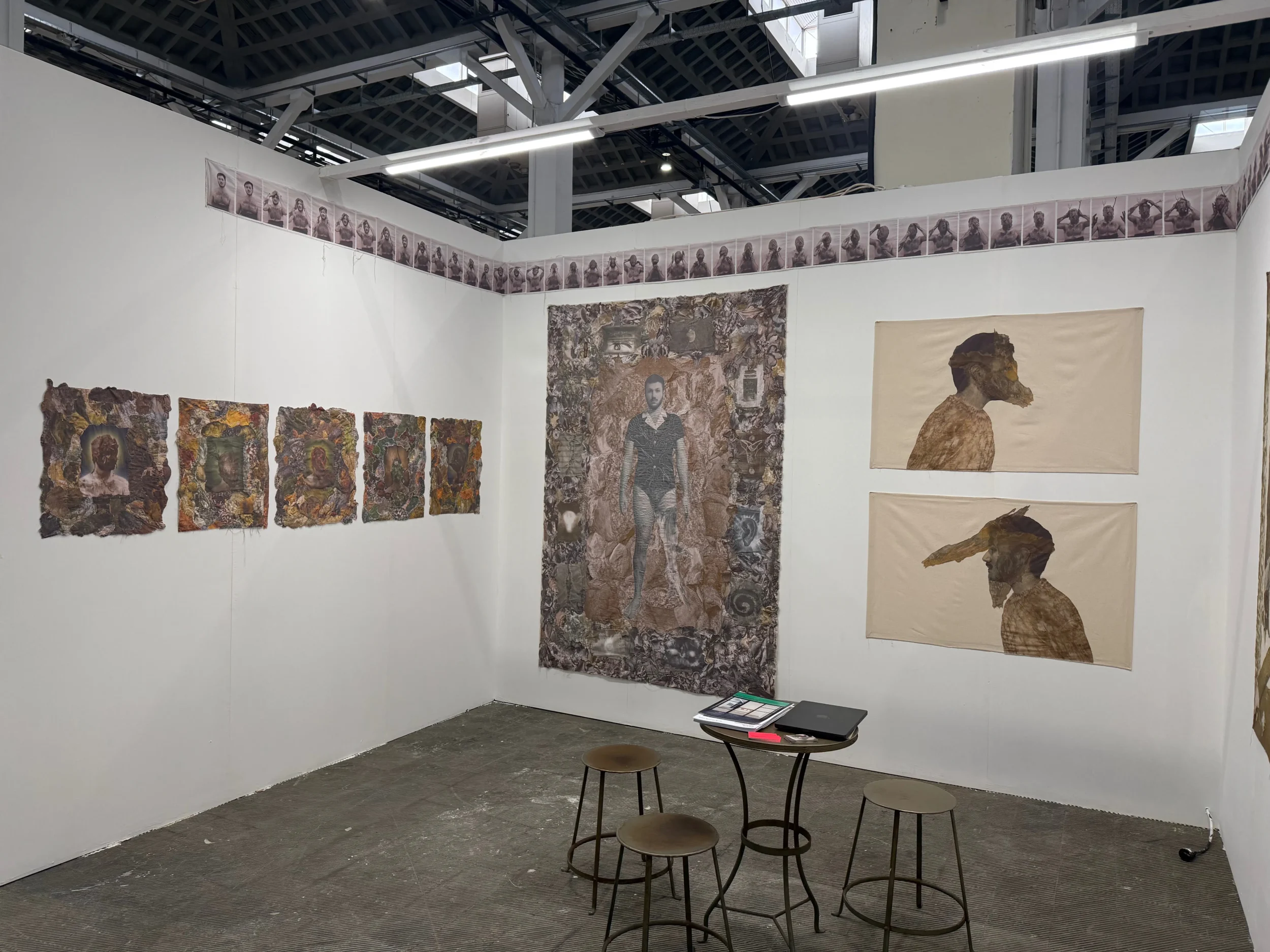
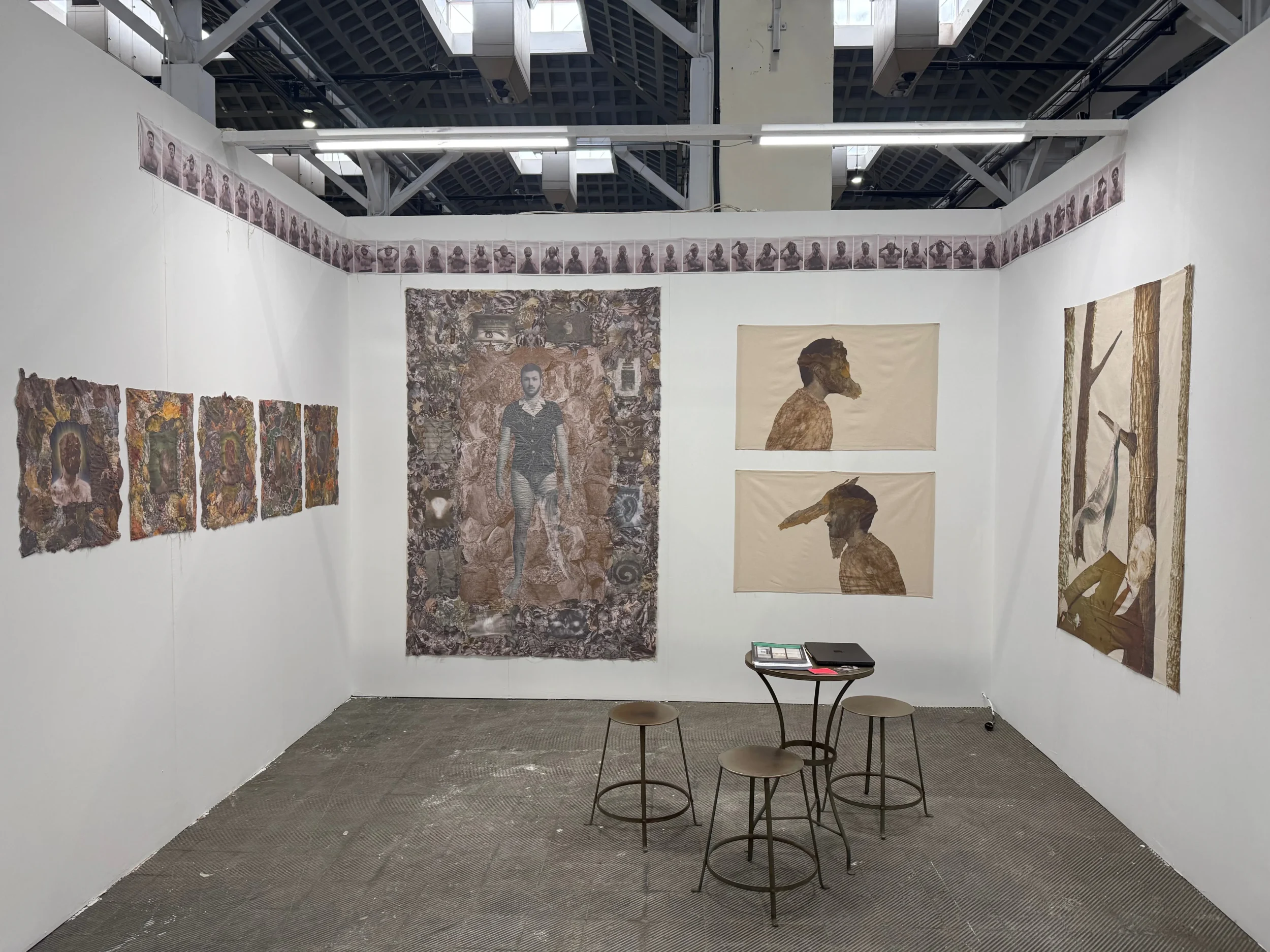
Approximately one month ago, the doors of A Small Invitation closed, a project created by RocíoSantaCruz and presented together with Rubén González Bonilla as part of ArtNou. Perhaps some of you already stepped through that small invitation and today encounter these works again; for others, perhaps this is the first time you enter into them.
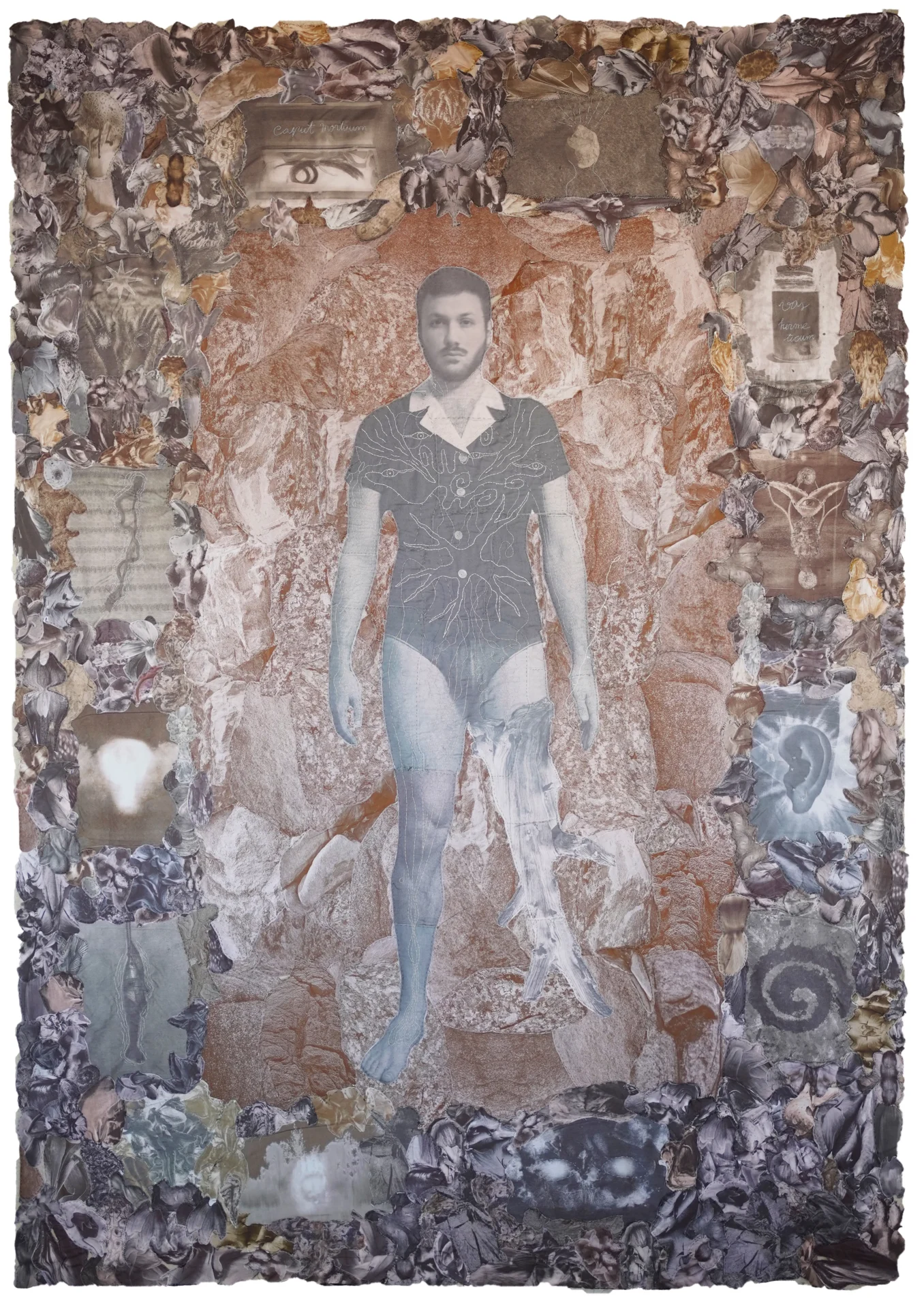
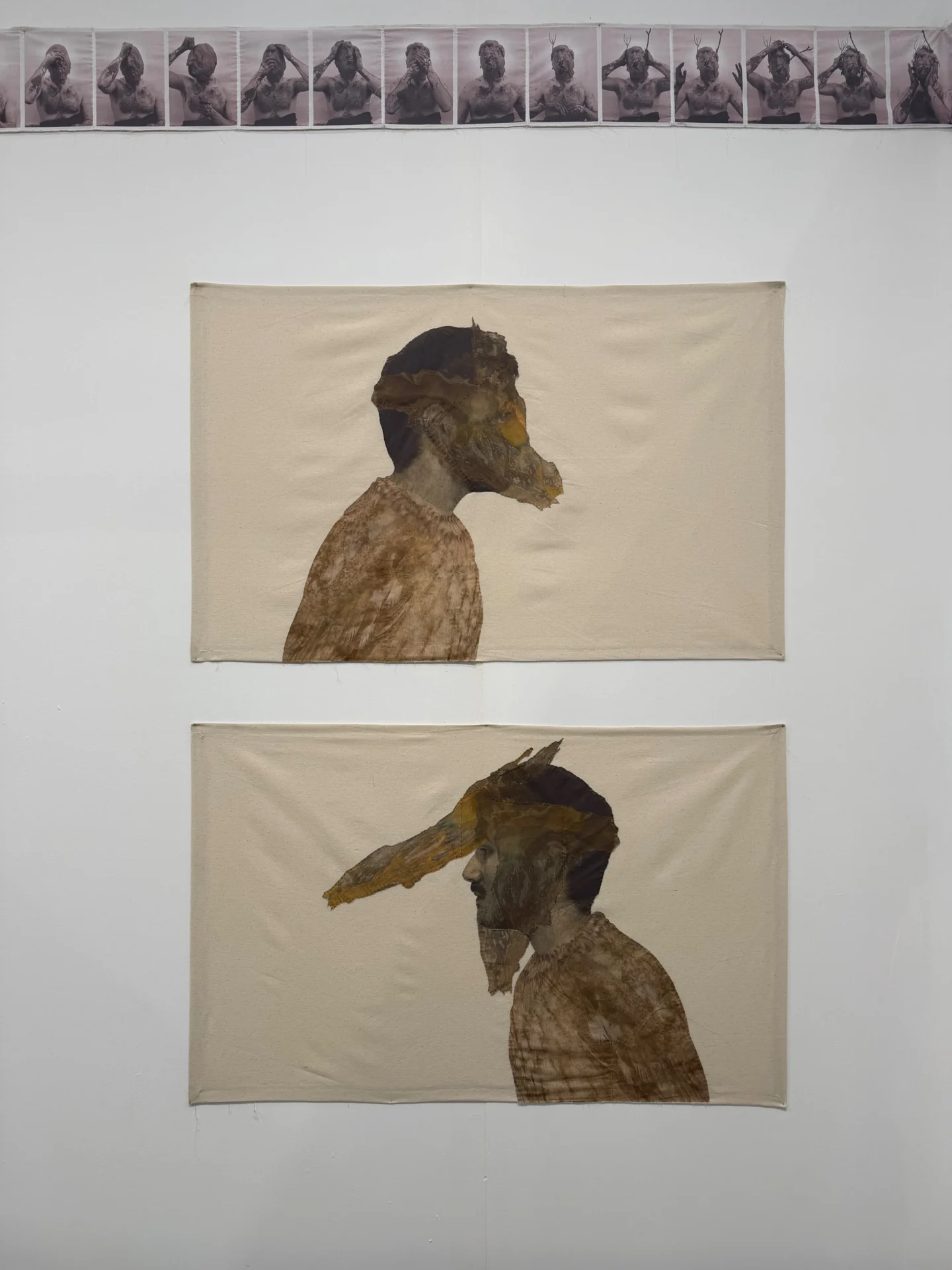
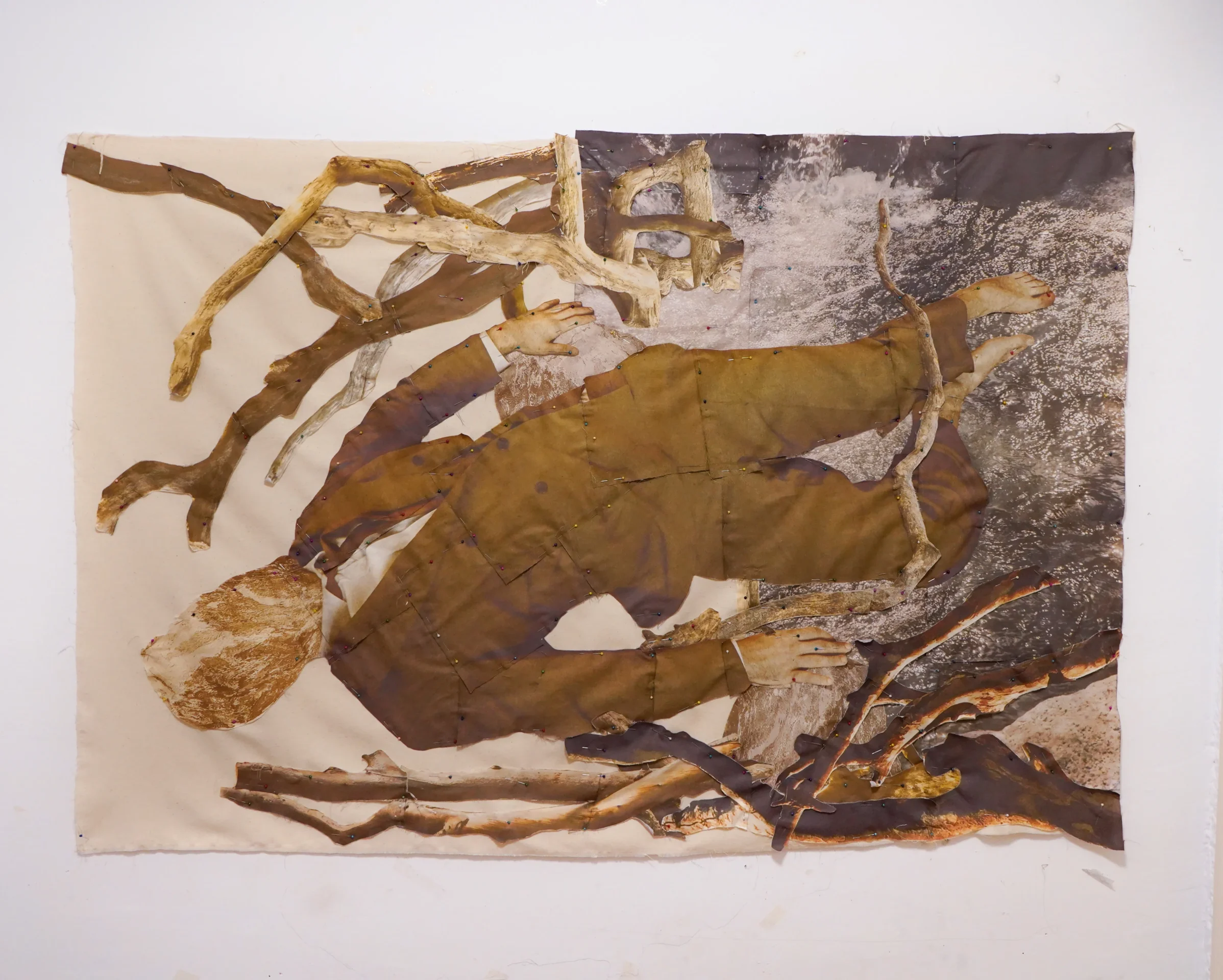
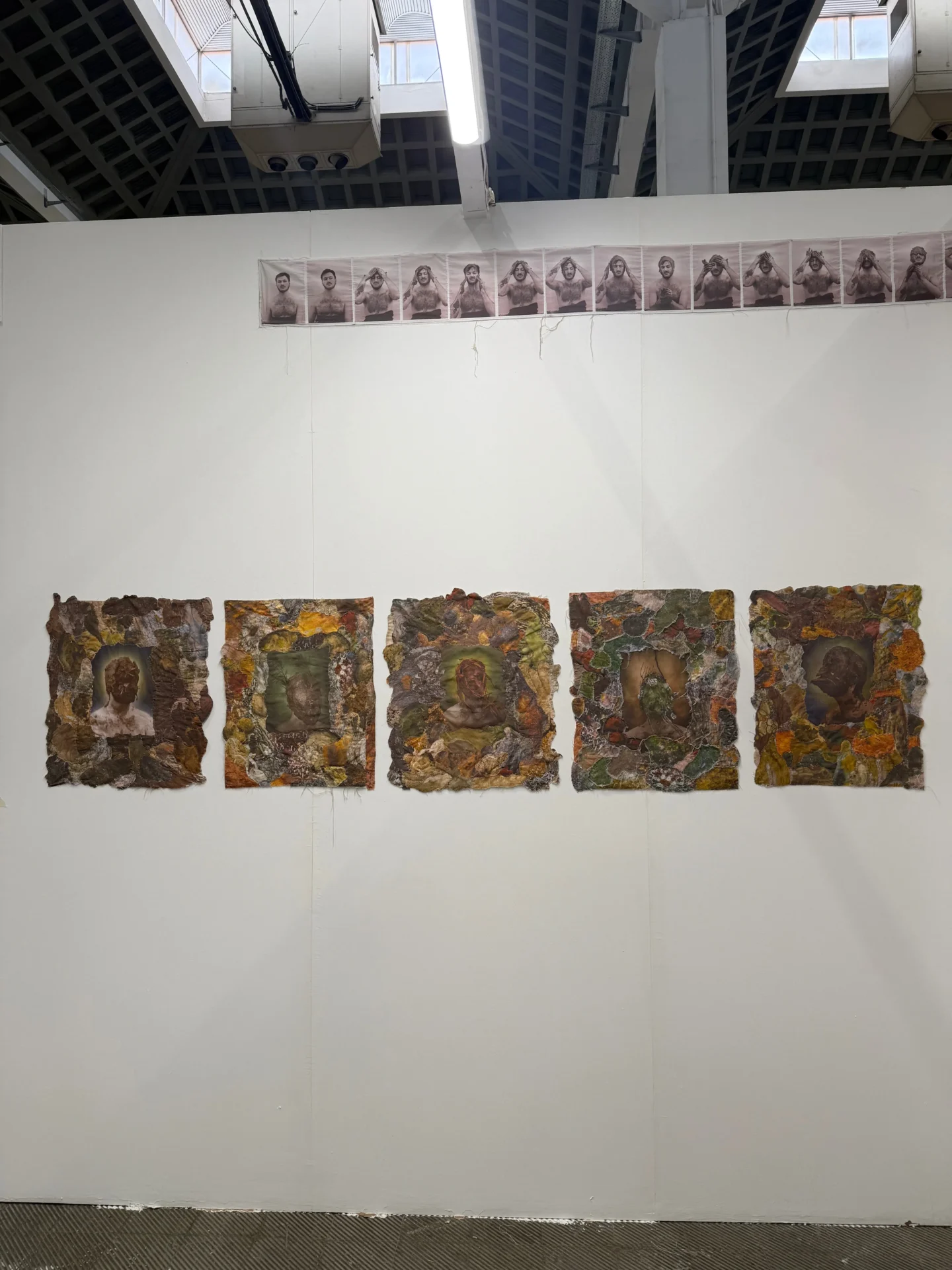
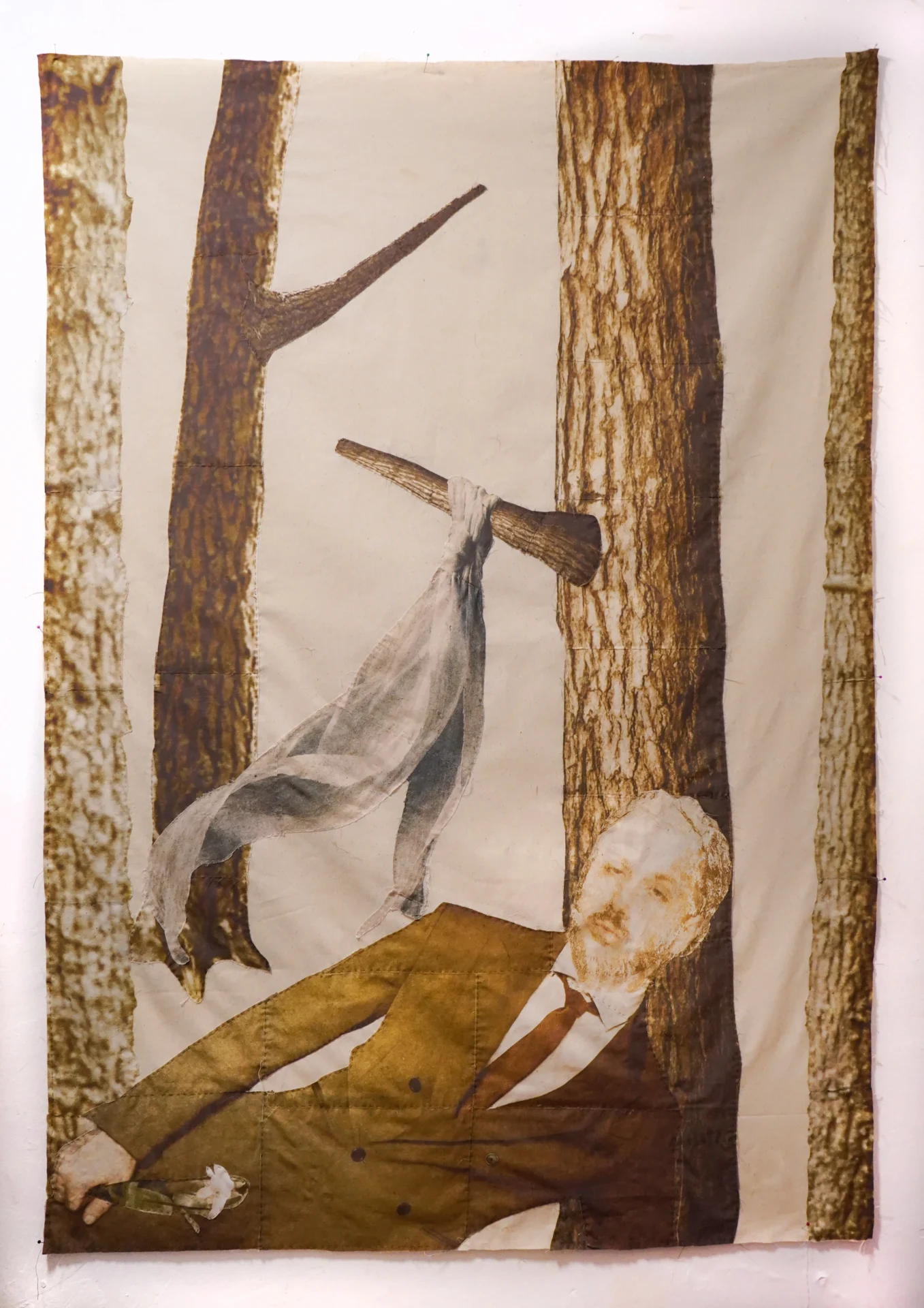
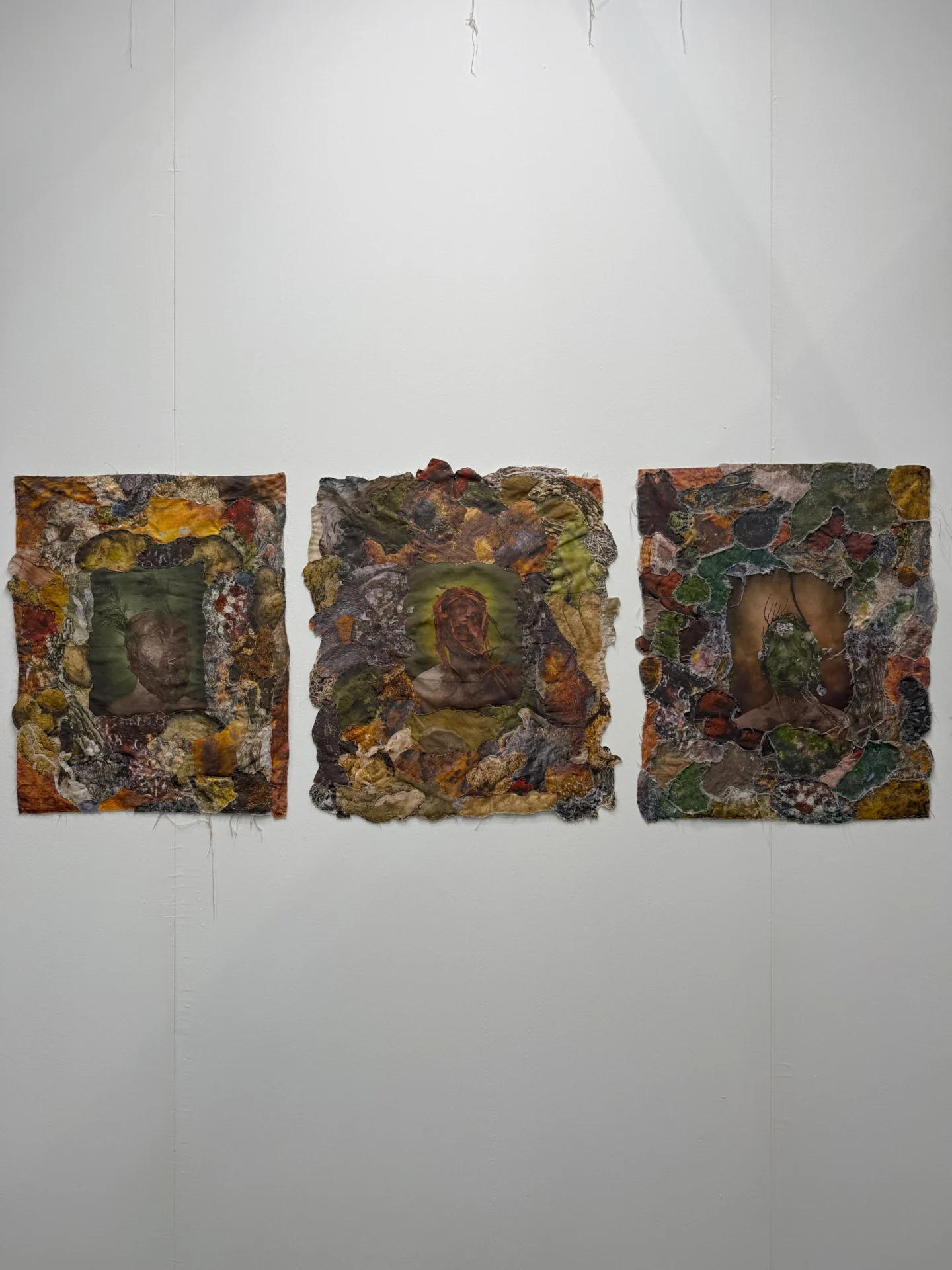
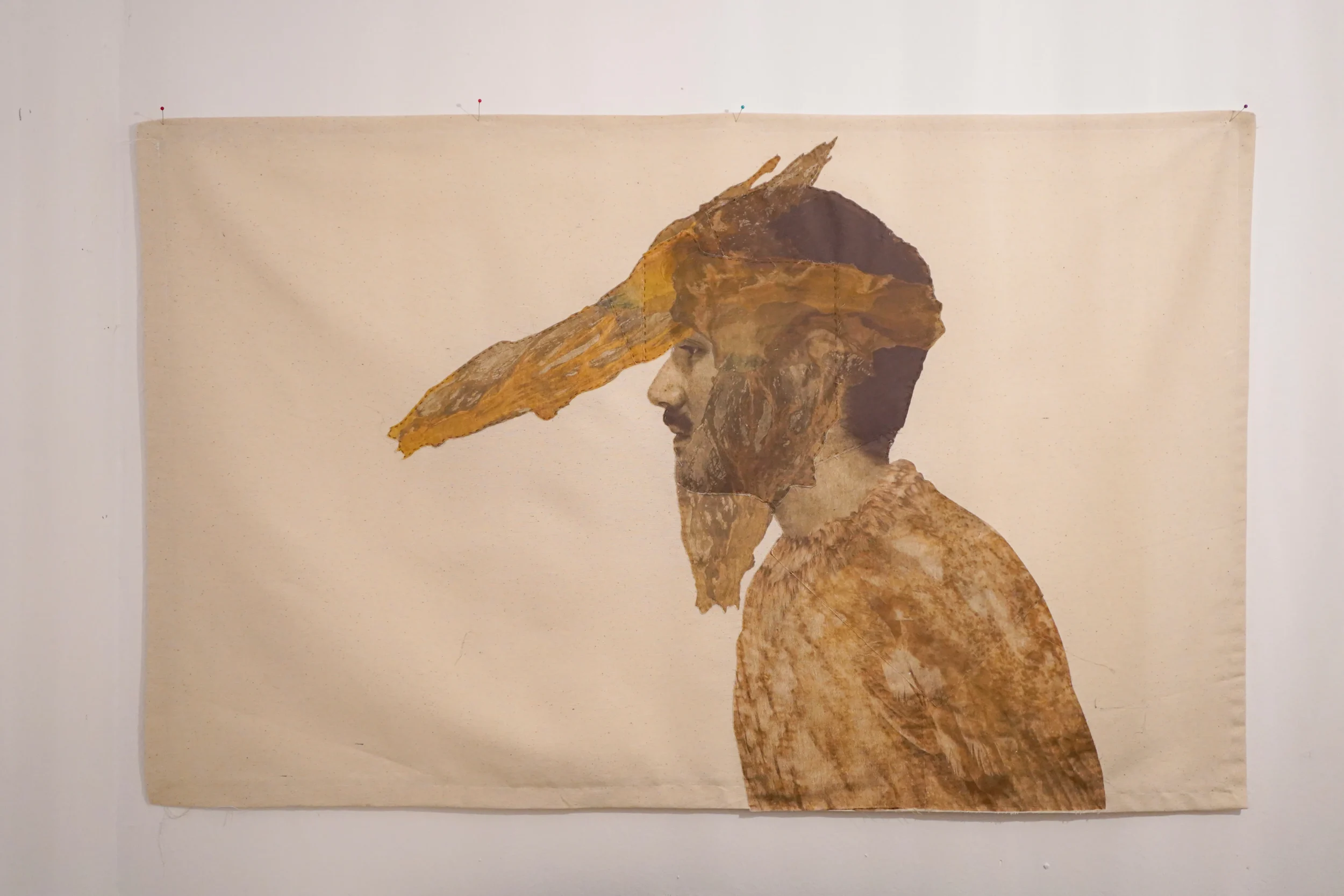
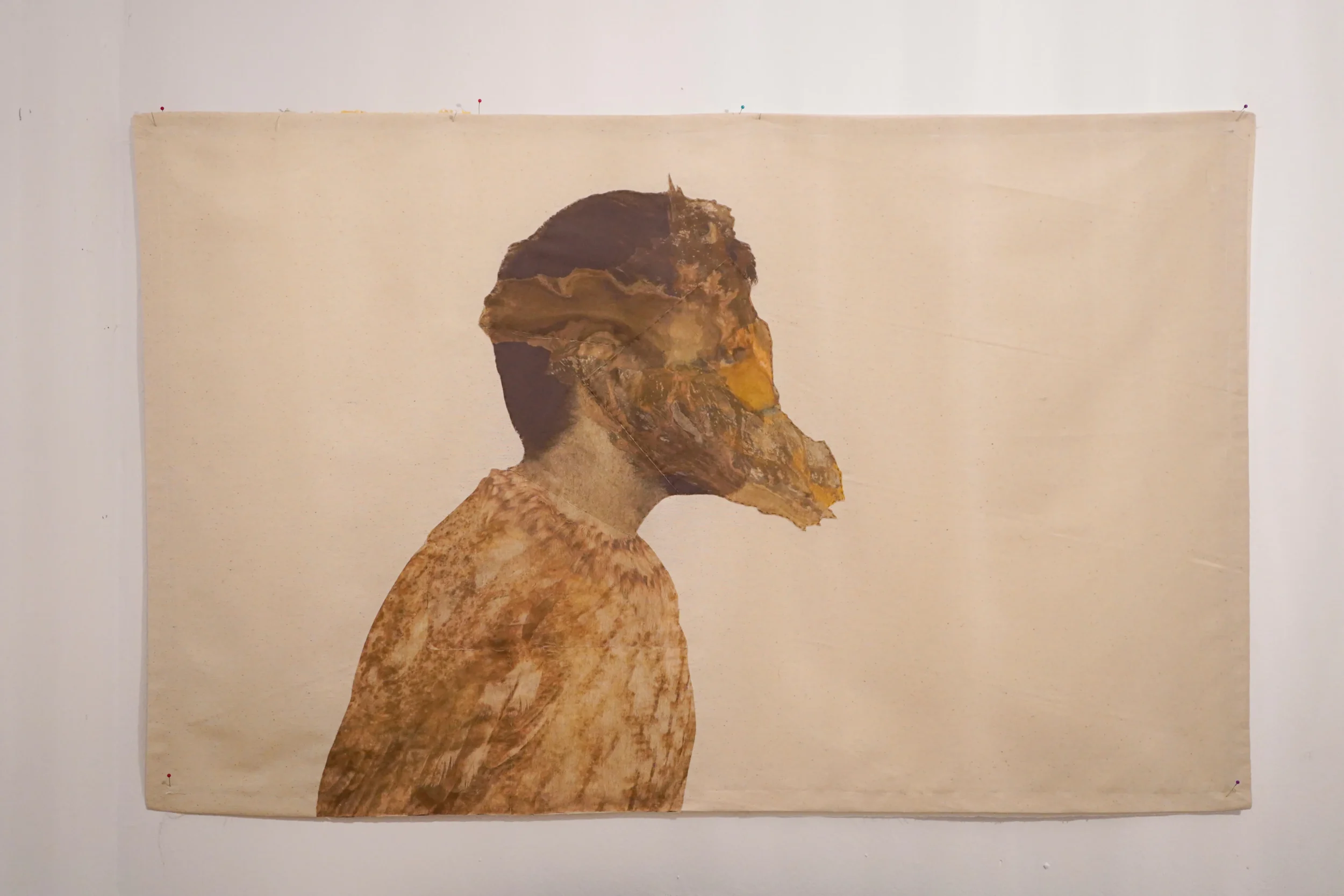
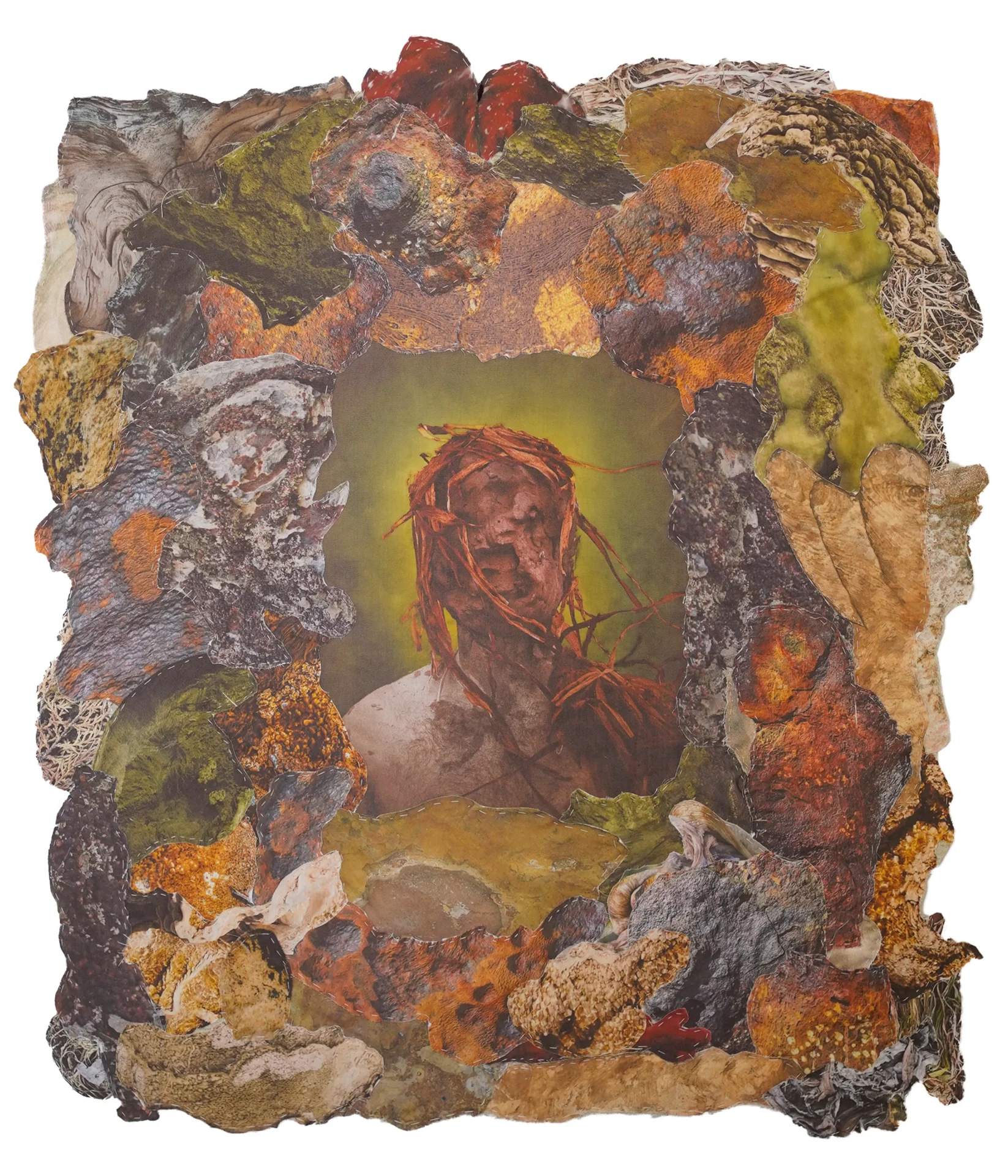
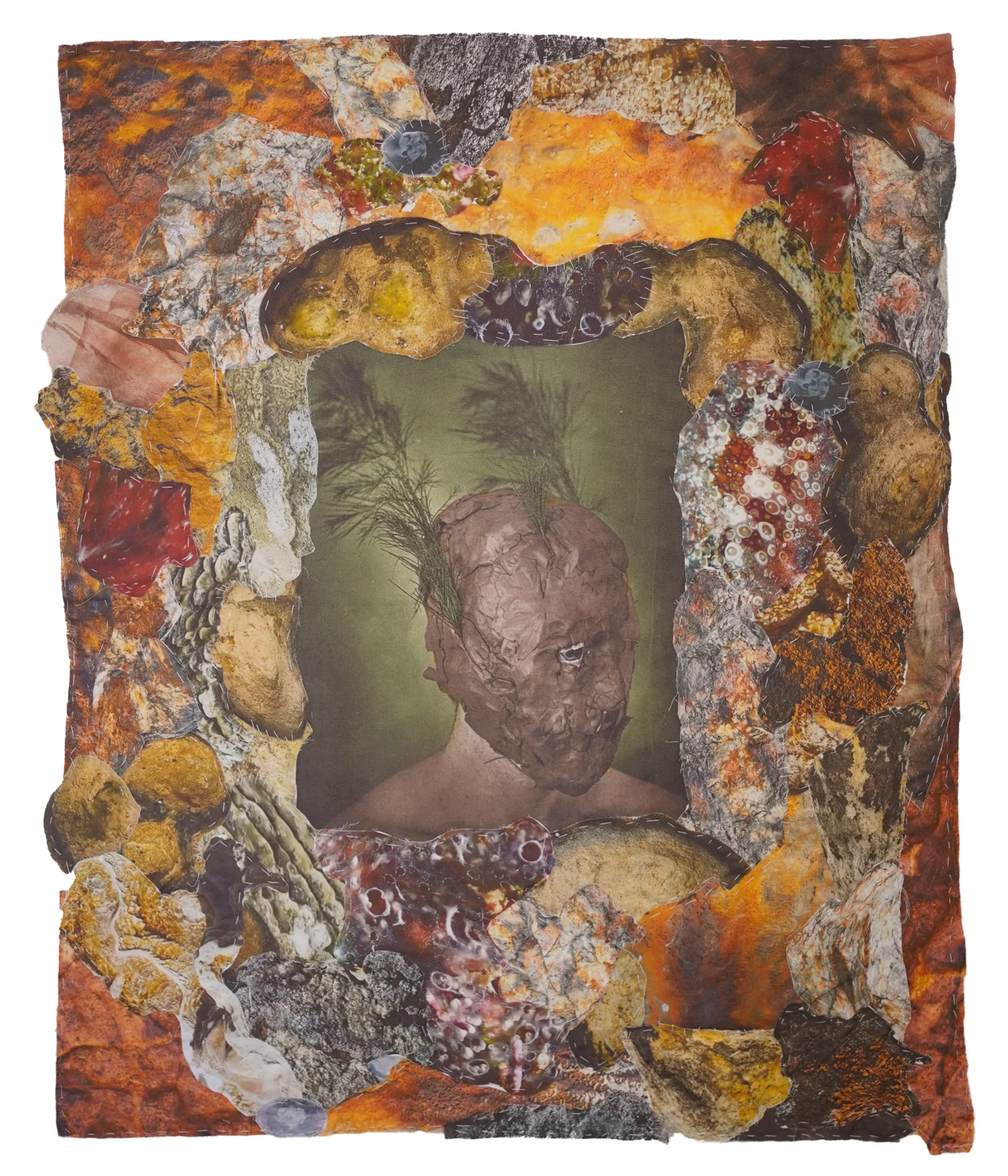
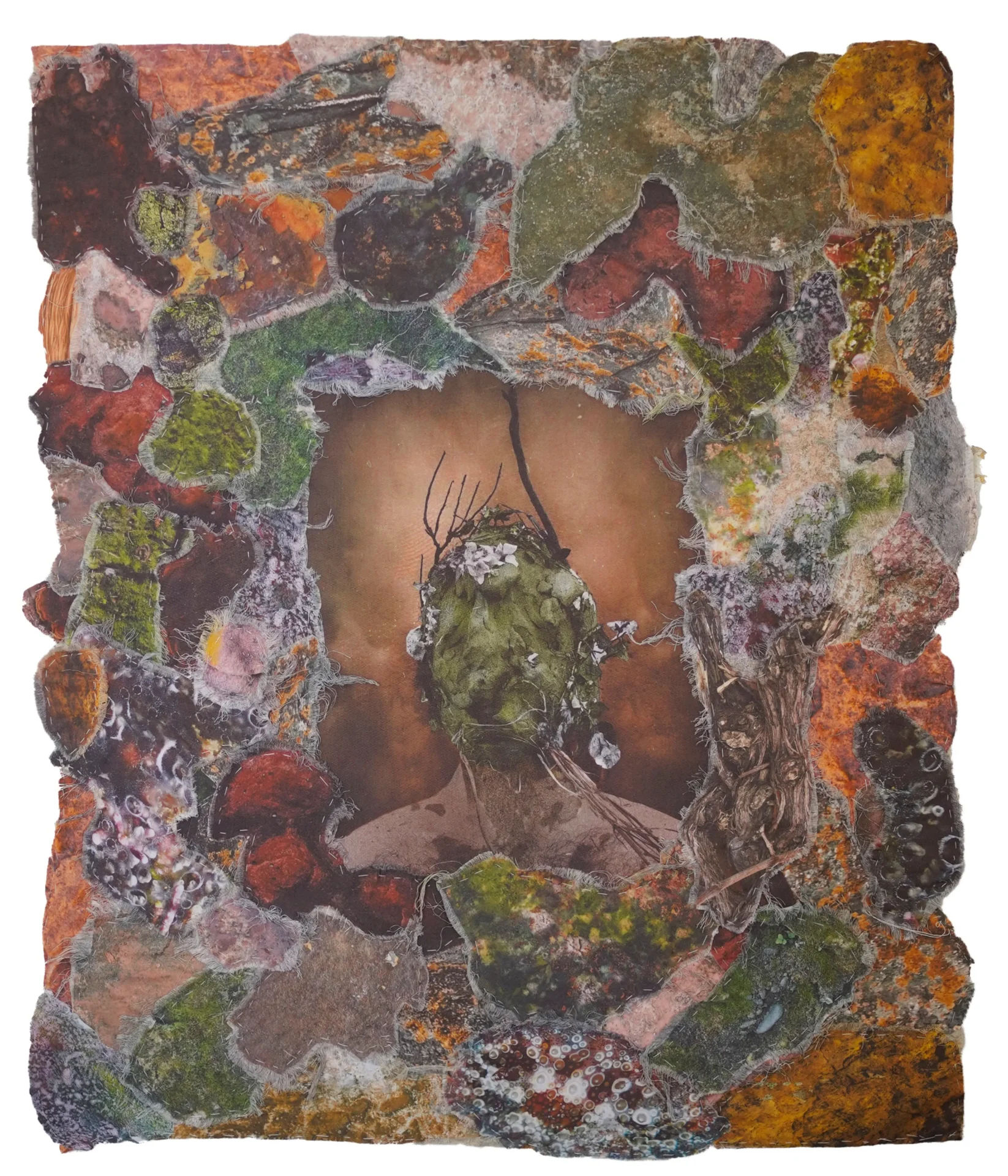
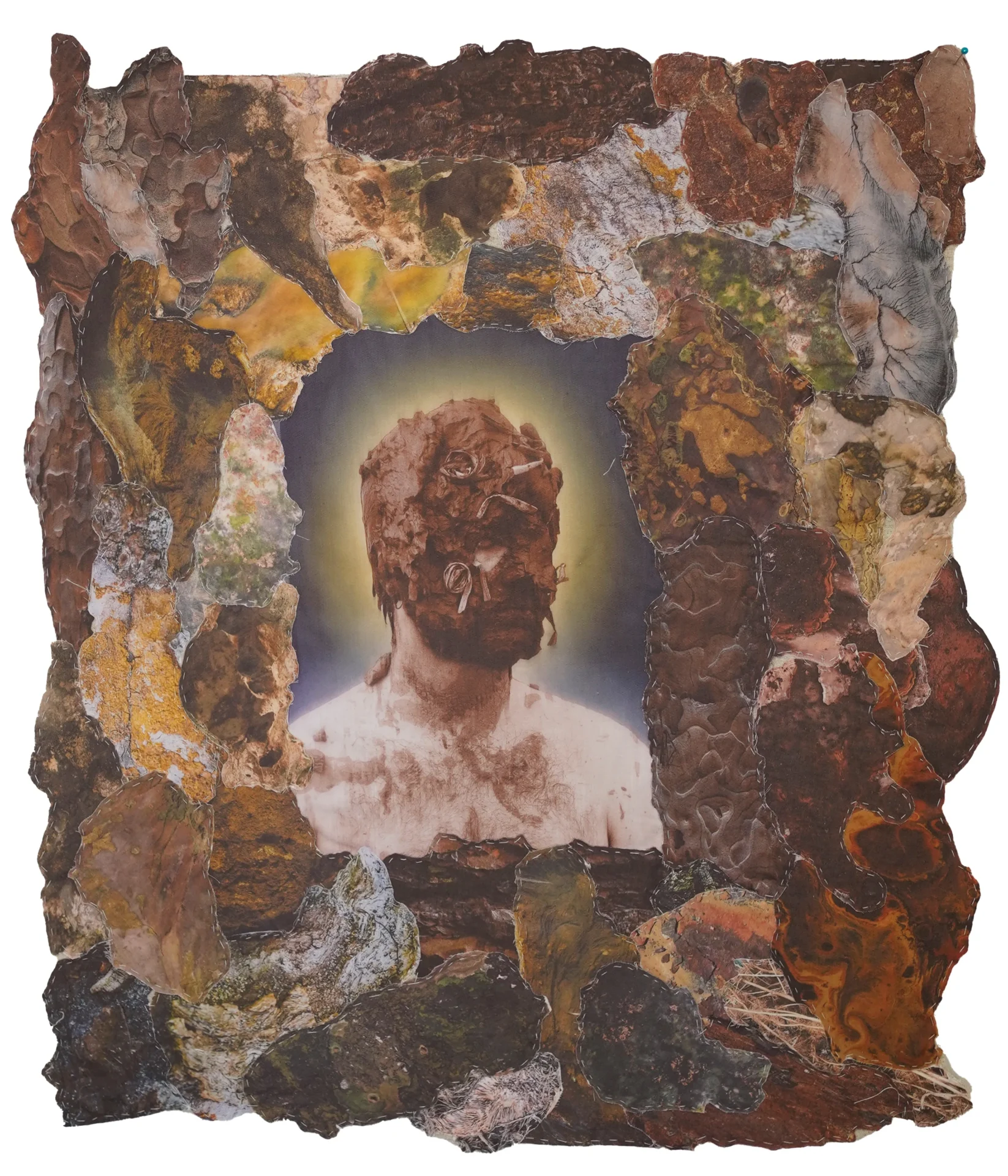
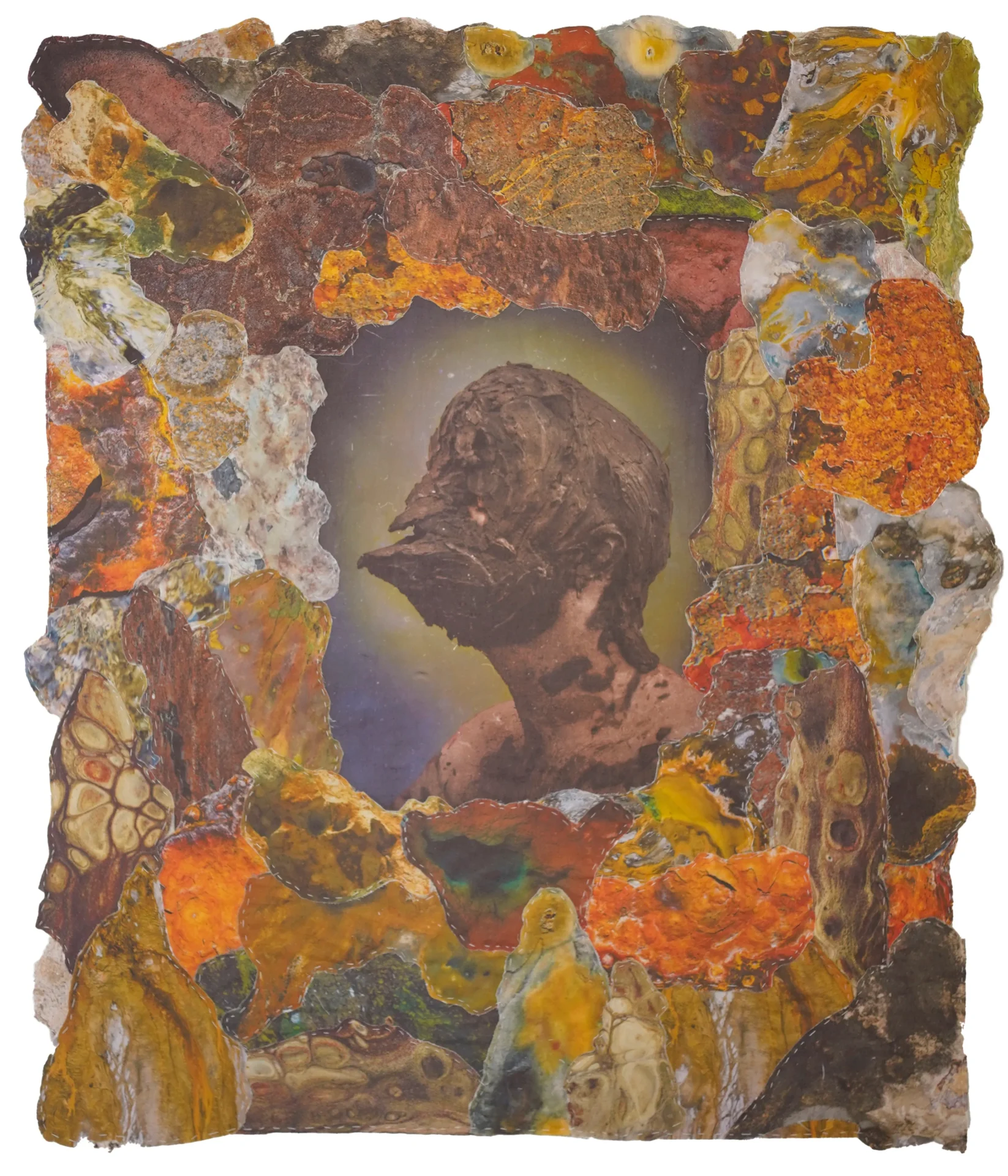
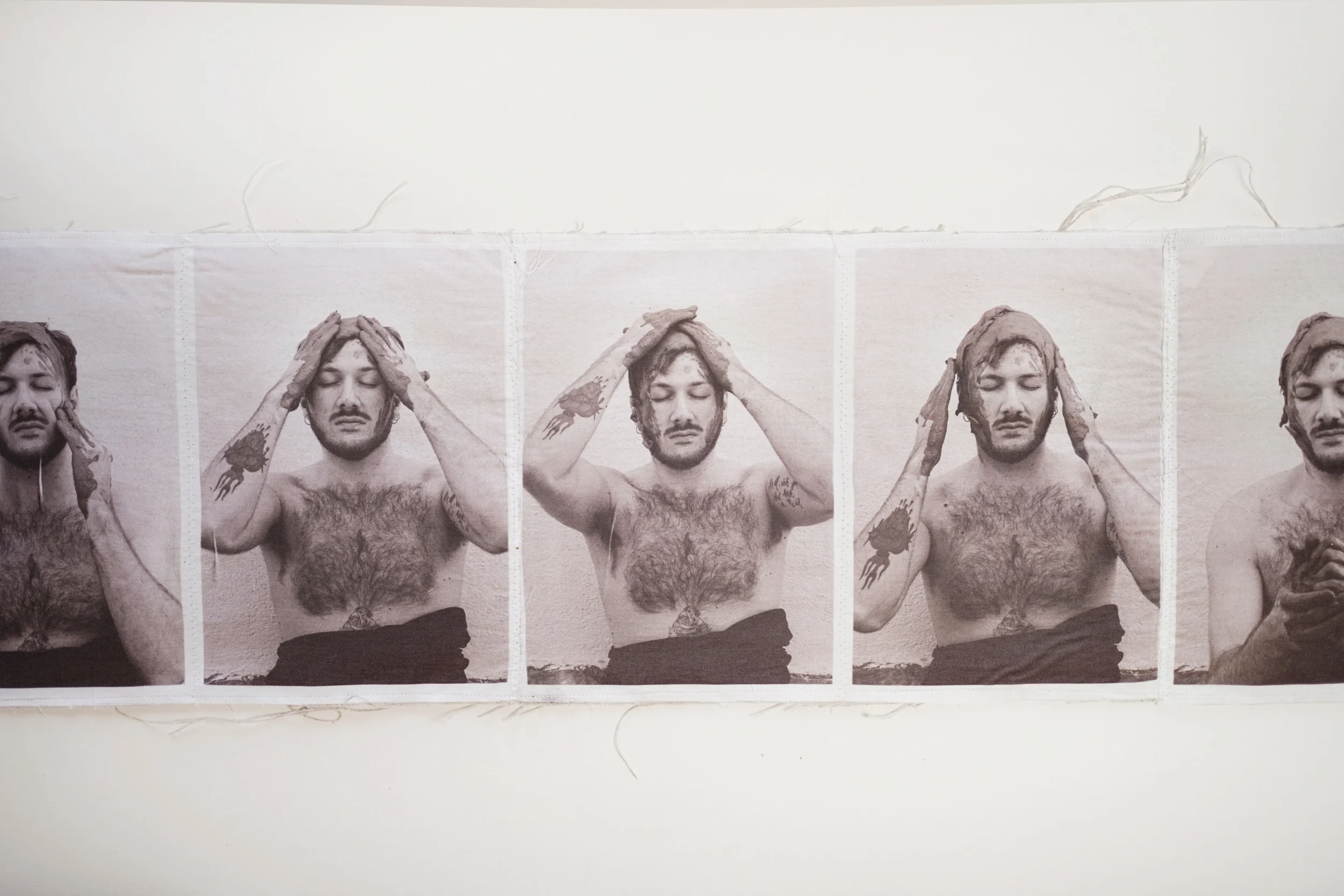
In that previous project, the dialogue with Ouka Leele also opened up another way of looking at photography. From that encounter, González Bonilla began to approach the image not as something that must necessarily be captured, but as a material that can be worked, cared for and transformed. Photography thus ceases to respond solely to the logic of the instant and enters a slower temporality, in which painting, sewing, embroidering or intervening on the surface are not actions that come after the image, but ways of continuing to bring it into being.
But an exhibition does not necessarily disappear when its doors close. Something of its presence remains in those who have inhabited it, in what they remember and in the possibility of encountering it again from another place. Today, this project reappears in a new form, in a new format. The works return, but so do the eyes that look at them. I like to call this encounter The Other Invitation. Because an invitation is not only what happens when we open a door; it is also what remains after we have crossed its threshold. A form of presence that can be reactivated when someone looks, when someone recognises, when someone pauses. Perhaps this is why the project never entirely comes to an end. It is sustained in the eyes of those who look at it, as though it were an ocular visitors’ book.
The Other Invitation emerges from this research and understands photography as a space in which memory, matter and symbol remain intertwined. The project returns to textile practices not with the intention of reconstructing history, but as a contemporary way of thinking about the image through care, repair and transmission. Embroidery thus appears as a language rather than merely a technique; thread, as a form of writing that crosses the image and alters what we see. In this way, photography can also become a textile practice: an open surface capable of preserving the time of the hands that transform it.
Enrique O. Romero